
How Live Streaming a Podcast Episode Creates a New Layer of Community Engagement
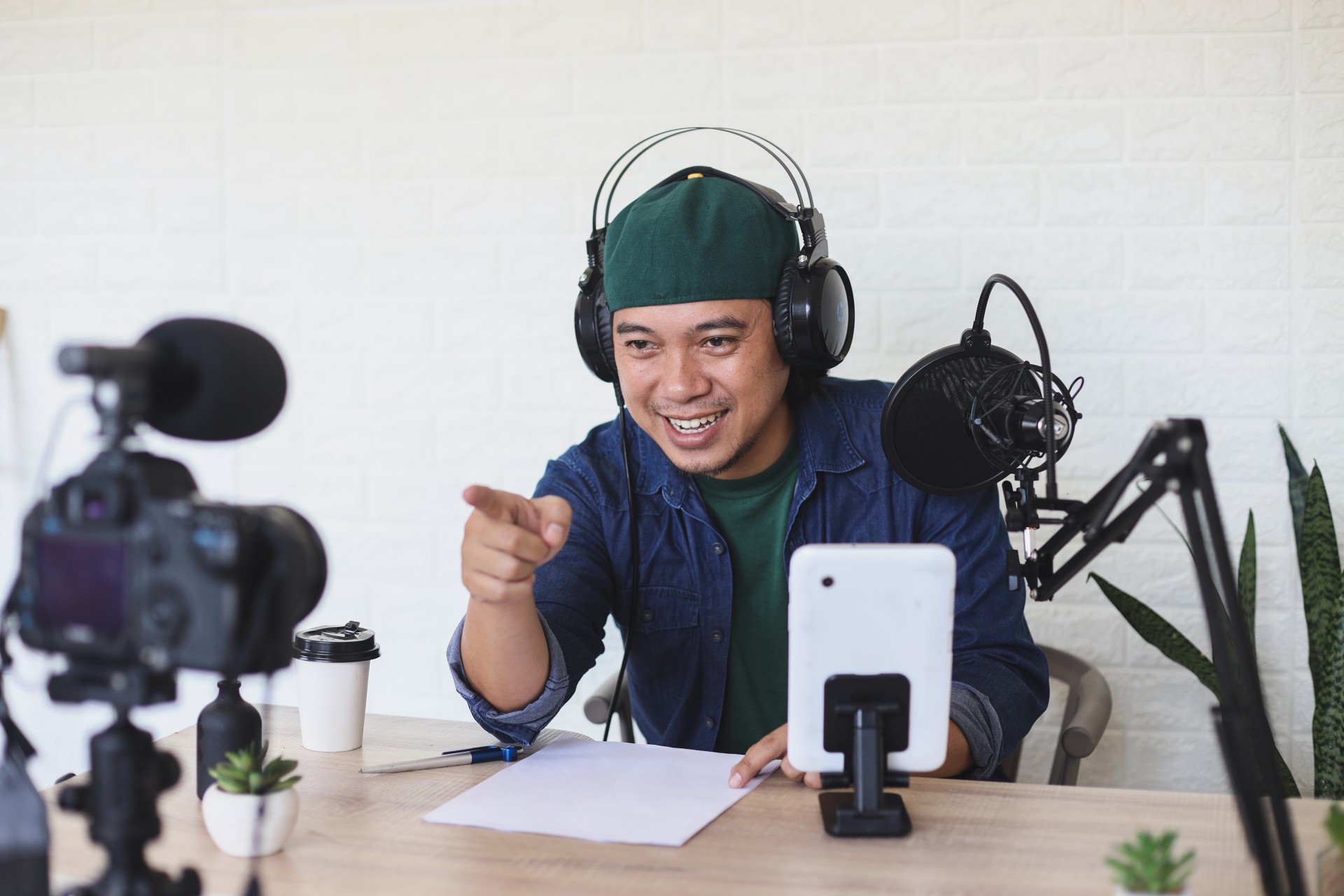
There is a version of podcasting that most creators are already doing well. Record an episode, edit it, publish it, promote it, repeat. The workflow is established, the platforms are familiar, and the audience builds gradually through consistent output. It is a legitimate and effective content strategy.
There is another version that most podcasters have not yet explored, and it adds a dimension to the creator-audience relationship that recorded-and-published content cannot replicate on its own. That version is live streaming the podcast recording, opening the session to a live audience that watches the conversation unfold in real time, participates through comments and questions, and experiences something fundamentally different from listening to a polished, edited episode after the fact.
Live streaming a podcast episode does not replace the recorded show. The edited episode still gets published on all the regular platforms for the majority of the audience who will encounter it through normal discovery channels. What live streaming adds is a layer of community engagement on top of that existing content strategy, one that transforms passive listeners into active participants and creates a category of audience relationship that compounds in loyalty and commercial value over time.
What Changes When the Recording Is Live
The difference between a recorded podcast episode and a live-streamed recording is not primarily technical. It is relational. The presence of a live audience changes what the recording feels like for both the host and the audience, and those changes have meaningful implications for community building.
The Audience Becomes a Participant
In a standard recorded podcast, the audience is a future consumer of the content. They have no presence in the recording itself. The host speaks to an imagined listener, and the listener engages with a completed piece of content that was finalised before they arrived. The relationship is one-directional from creation to consumption.
In a live-streamed recording, the audience is present during the creation. Their comments appear in real time. Their questions can be addressed during the episode. Their reactions to specific moments are visible to the host and to each other. The audience is not watching a performance that has already been prepared. They are witnessing a conversation as it happens, and their presence is part of what shapes how that conversation unfolds.
This shift from audience as future consumer to audience as present participant is the core of what live streaming adds to podcast community engagement. A listener who has participated in a live recording, whose question was answered on air, whose comment was acknowledged by the host, whose reaction was visible to other community members, has a fundamentally different relationship to the show than a listener who only ever encounters the finished, edited episode.
The Shared Experience Effect
Live streaming creates a shared experience among audience members in a way that recorded content cannot. When 200 people watch a live podcast recording simultaneously, they are sharing the same moment. They see the same things at the same time. They react to the same moments. They read each other's comments. They laugh at the same jokes. This shared experience is the foundation of community in a way that individual, asynchronous content consumption never is.
The shared experience effect is why live sports and live television events generate community around them in ways that recorded versions of the same content do not. Watching a cricket match live with thousands of other people is a different social experience from watching the same match on replay the next day, even if the content is identical. The liveness creates collective presence, and collective presence creates the sense of belonging that is the essence of community.
For podcast creators who are trying to build a community around their show rather than simply an audience, live streaming provides the shared experience infrastructure that turns individual listeners into a community with a collective identity.
The Platforms for Live Podcast Streaming
Different platforms serve different purposes and reach different audiences for live podcast streaming, and choosing the right platform or combination of platforms depends on where the show's existing audience is most active.
YouTube Live
YouTube Live is the highest-reach option for most podcast creators because it combines the discoverability of YouTube's search and recommendation engine with the live streaming functionality that creates real-time community engagement. A live stream on YouTube is indexed and can be discovered through YouTube search before and during the stream. After the stream ends, the recording becomes a permanent video on the channel, available for ongoing discovery through YouTube's recommendation algorithm.
The replay value of a YouTube Live stream is significant. Many viewers who could not attend the live session will watch the replay, and the live comments that appeared during the session are preserved in the replay, which maintains the sense of the live event for viewers who encounter it later.
YouTube Live also supports the superchats and channel membership features that provide direct monetisation pathways for live streaming content, which is relevant for podcast creators who are building community around paid membership models.
Instagram Live
Instagram Live reaches the existing social media following directly without requiring additional platform adoption from the audience. For podcast creators whose community is primarily built on Instagram, going live on Instagram allows the show's social followers to participate in a live recording without leaving the platform they already use daily.
The limitation of Instagram Live relative to YouTube Live is the discoverability constraint. Instagram Live content is primarily visible to existing followers rather than new audiences, which means Instagram Live is more effective as a community engagement tool for existing listeners than as a new audience acquisition channel.
LinkedIn Live
For business and professional podcasts, LinkedIn Live offers access to the professional audience that is most relevant to that content category. A business podcast that goes live on LinkedIn reaches an audience of professionals who are on the platform in a work context, with a professional mindset, which creates alignment between the content and the audience's state of mind.
LinkedIn Live is also effective for B2B podcast creators because the professional identity of LinkedIn users makes it a natural environment for thought leadership content. A founder-hosted business podcast going live on LinkedIn is operating in the same environment where their target audience discusses professional topics, which increases the contextual relevance of the content.
Multi-Platform Streaming
Streaming the live recording simultaneously across multiple platforms multiplies the live audience without multiplying the production complexity, because the recording session itself happens once. Tools that distribute a single live stream to multiple platforms simultaneously allow a podcast creator to be live on YouTube, Instagram, LinkedIn and Facebook at the same time, reaching the largest possible live audience without additional production effort.
The tradeoff of multi-platform streaming is that engaging with comments across multiple platforms simultaneously is more complex than engaging with a single chat stream. Designating a separate person to monitor and moderate comments across platforms, filtering the most relevant questions for the host to address, is a practical solution for live streams where the creator wants to maintain a natural conversational flow while also engaging with a distributed live audience.
Structuring the Live Episode for Maximum Engagement
A live-streamed podcast episode requires some structural consideration that a standard recorded episode does not. The presence of the live audience creates opportunities for engagement that should be built into the episode structure, not treated as interruptions to a format designed for recorded content.
The Pre-Show Warm-Up
Beginning the live stream five to ten minutes before the formal episode starts gives early arriving audience members something to watch while the full audience assembles, and allows the host to acknowledge the live audience directly and create the initial atmosphere of a shared event.
The pre-show warm-up is an opportunity to read and respond to early comments, introduce the episode's topic and guest, take a quick poll or ask the audience a question that primes them for the conversation to come, and build anticipation for the episode content. This warm-up period significantly improves the energy of the live audience's engagement from the moment the formal episode begins.
Designated Engagement Moments
Rather than trying to monitor and respond to live comments throughout the entire episode, which fragments the host's attention and disrupts the flow of conversation, building designated engagement moments into the episode structure allows the host to give full attention to the conversation during the main recording and full attention to the audience during the engagement moments.
A 90-minute live podcast recording might include two or three designated engagement moments: a question period after the first major topic, a midpoint audience interaction where a pre-solicited question is addressed, and a closing segment where the audience's final questions are answered. These moments create clear participation opportunities for the audience while keeping the main conversation clean and focused.
The Audience Question Integration
The most powerful community engagement mechanic in live podcast streaming is the live audience question that gets addressed on air. When a community member's question is read out and answered during the live recording, that person has contributed to the episode. Their contribution is preserved in the recording. When the edited episode is published, their question is part of the show's content.
This creates a category of community participation that is qualitatively different from any other form of listener interaction. Commenting on a social media post is ephemeral. Sending a direct message to the host may or may not receive a response. Having your question answered on air during a live recording and preserved in the final published episode is a contribution that exists permanently in the show's content library. It is a form of participation that builds the kind of deep loyalty that distinguishes shows with genuinely engaged communities from shows with passive audiences.
Technical Setup for a Professional Live Stream
The technical requirements for live streaming a podcast episode add complexity to the production setup that is worth planning carefully before the first live session.
Video and Audio Quality
A live-streamed podcast recording is simultaneously an audio product and a video product. The audio quality standards that apply to the recorded episode apply equally to the live stream, because the live stream is being recorded and will be published as the episode. But the live stream also needs to look good on camera, which adds lighting, camera position and visual background considerations that audio-only recording does not require.
Professional lighting makes a significant difference to the perceived quality of a live stream recording. The difference between a host lit by a window and a ring light and a host lit by professional studio lighting is immediately apparent to live stream viewers. Good lighting is a credibility signal that affects how the audience perceives the professionalism of the content.
Camera position should be at eye level or slightly above. A camera positioned below eye level, which is the default position of a laptop camera on a desk, produces an unflattering angle that makes the host appear to be looking down at the camera. A dedicated camera mounted at eye level on a tripod or monitor mount produces a much more natural and professional appearance.
The background visible behind the host during a live stream is a visual signal about the production values and seriousness of the show. A professional recording environment provides a background that immediately signals credibility, without requiring the host to spend time staging or dressing a home environment for camera.
Stable Internet Connection
A live stream is only as reliable as the internet connection that carries it. A dropped connection during a live recording is a poor experience for the live audience and may result in incomplete recording if the stream fails to reconnect cleanly. A wired ethernet connection is significantly more reliable than Wi-Fi for live streaming, and a connection with sufficient upload bandwidth for the stream quality being used is essential.
Testing the full live streaming setup, including the internet connection, camera, audio and streaming software, in a dry run before the first live session is the most effective way to identify and address technical problems before they affect a real audience.
Recording the Stream Locally
In addition to the live stream going to the platform, recording the audio and video locally to a high-quality file provides a backup in case of stream quality degradation or connectivity issues, and a higher-quality source file for the post-production of the published episode. Many podcast creators who live stream their recordings use the local recording as the source for the edited episode rather than the stream recording, because the local file has higher quality than the stream's compressed video and audio.
Fox Talkx Studio in Mumbai provides a professional video podcast recording environment with the lighting, camera infrastructure and broadcast-quality audio that live-streamed recordings require. Recording in a professional studio means the live stream looks and sounds like a polished production from the first session, without the setup complexity and visual compromises of adapting a home environment for live camera.
Building Community Rituals Around Live Sessions
The community value of live podcast streaming compounds significantly when the live sessions develop their own rituals and traditions that regular attendees look forward to and that become part of the show's identity.
Regular scheduling is the foundation of live community rituals. A show that goes live at the same time every week or fortnight gives the community a recurring shared event to organise around. Regular attendees develop the habit of showing up. They begin to recognise each other in the comments. They develop in-jokes and references that are meaningful to the live community. These rituals create the sense of belonging to something that is the deepest form of community engagement a podcast can build.
Acknowledging regular live attendees by name, creating recognition systems for community members who participate consistently, and developing recurring segments or traditions specific to the live format all deepen the community's investment in the live experience as something distinct from and additional to the recorded episode.
The Relationship Between Live Community and Show Growth
The community that forms around a podcast's live streaming sessions is among the most commercially valuable audience a creator can build. These are listeners who have self-selected for the deepest level of engagement the show offers. They show up in real time. They participate actively. They feel ownership of the community in a way that passive listeners do not.
This high-engagement community is the natural foundation for everything that requires audience investment: membership programmes, merchandise, live events, premium content, direct sponsorship relationships and collaborative projects. The listeners who have participated in live recordings are the ones most likely to pay for premium access, most likely to attend a live event, most likely to recommend the show to others in their network, and most likely to stay with the show through the inevitable periods of slower content output.
Building this layer of community through live streaming is not a replacement for building a large general audience through platform-native discovery and SEO. It is an additional dimension that creates a core of deeply engaged listeners whose involvement with the show is qualitatively different from the broader audience. Both are valuable. The combination of scale and depth is what distinguishes shows that build lasting media properties from shows that plateau once their initial growth phase exhausts the easiest audience acquisition channels.