
The Difference Between Recording a Podcast at Home vs a Professional Studio
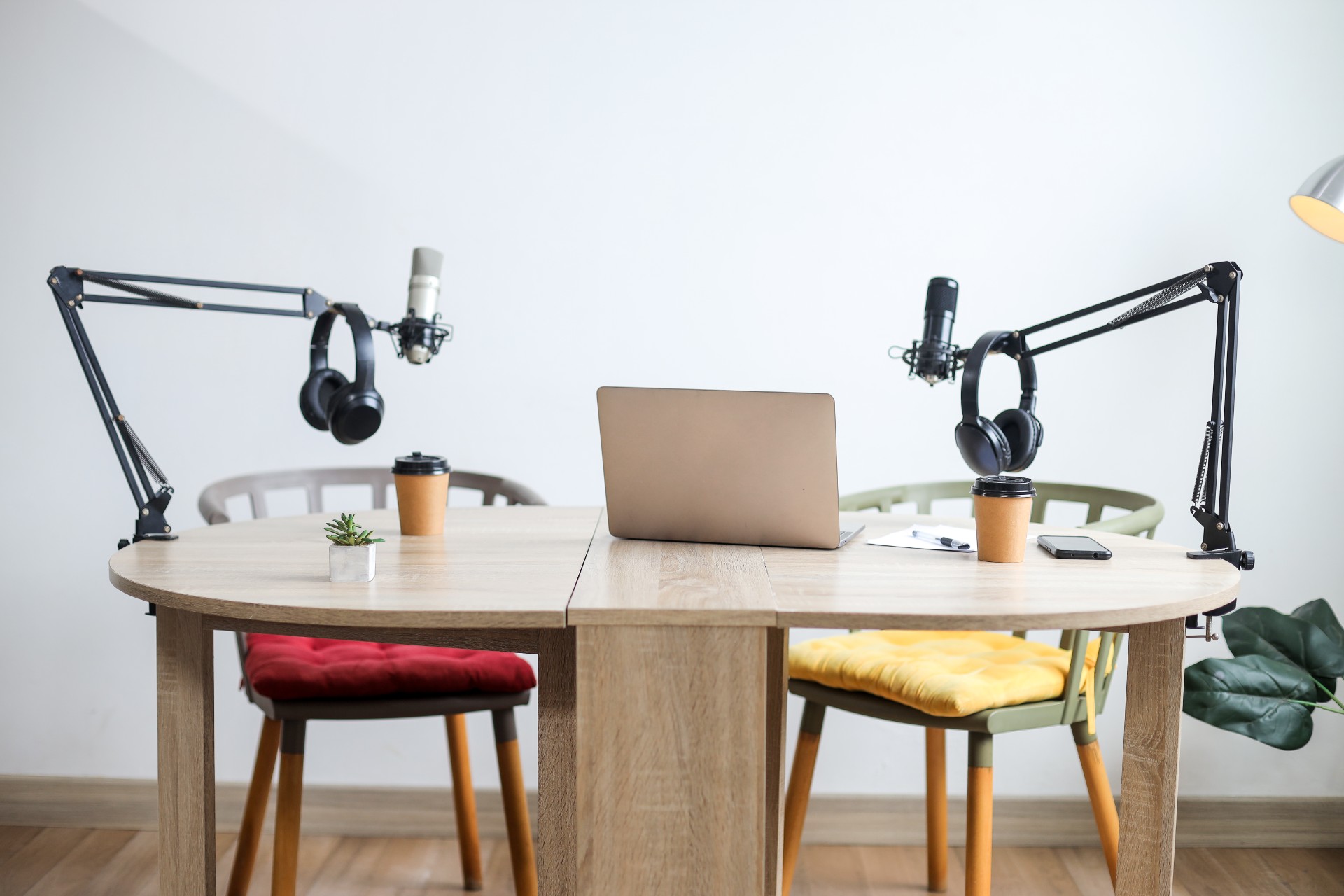
The choice between recording a podcast at home and recording in a professional studio is one that most podcast creators make once, at the beginning of their show, without revisiting it as the show develops. Many start at home because it is convenient and accessible, intend to upgrade to a professional studio when the show grows, and then find that the inertia of an established home recording habit persists longer than they anticipated even when the growth that was supposed to trigger the upgrade has occurred.
Others make the opposite mistake: investing in professional studio time before the show has developed the content consistency and audience foundation that would make the production quality investment commercially meaningful.
Both decisions, the decision to record at home and the decision to record in a professional studio, can be right or wrong depending on the specific stage of the show, its specific goals, and the specific quality gap between what home recording currently delivers and what the show needs to reach the next stage of its growth.
This guide examines the genuine differences between home recording and professional studio recording across every dimension that affects a podcast's quality and commercial performance, with the goal of providing the specific, honest analysis that makes the decision genuinely informed rather than based on general assumptions about what serious podcasters should do.
The Audio Quality Difference: What You Hear and What Your Listeners Hear
The most fundamental difference between home recording and professional studio recording is audio quality, and it operates at every level of the recording process from the acoustic environment through the equipment to the technical management of the recording session.
The Acoustic Environment Gap
Home recording takes place in spaces that were not designed for recording: living rooms, home offices, spare bedrooms, and converted spaces whose acoustic characteristics are entirely incidental to any recording purpose. The parallel hard surfaces of most domestic rooms, the variable furnishings, and the absence of any deliberate acoustic treatment create a recording environment where the microphone captures not just the presenter's voice but the acoustic signature of the room layered over it.
This acoustic signature is the characteristic hollow, slightly echoey quality that immediately identifies home recordings to experienced listeners. It is created by the early reflections of the presenter's voice from nearby walls arriving at the microphone milliseconds after the direct sound, creating comb filtering that colors the frequency response of the recording and reduces its clarity and naturalness.
Professional podcast studios are designed specifically to eliminate this acoustic coloring. The absorption panels, bass traps, and diffusion elements of a purpose-treated recording space control early reflections and reverberation to the point where the microphone captures primarily the direct voice signal without significant room contribution. The result is audio with a clarity, presence, and naturalness that untreated home recordings cannot achieve.
The Equipment Gap
Professional podcast studios use broadcast-grade microphones, professional audio interfaces and preamplifiers, and multi-track digital audio workstations that represent a fundamentally different category of recording equipment from the consumer-grade setups that most home podcasters use.
The specific quality differences this creates in the recorded audio include a lower noise floor that captures the full dynamic range of the voice, a more accurate and natural frequency response that represents the voice as it actually sounds rather than with the colorization of consumer microphone capsules, and a cleaner analog-to-digital conversion that preserves the detail and warmth of the voice signal through the recording chain.
The equipment gap between home recording and professional studio recording is real and meaningful, but it is secondary to the acoustic environment gap. The most significant quality improvement that professional studio recording delivers comes from the acoustic environment, not from the equipment alone. A professional microphone in a home environment will produce better results than a consumer microphone in the same environment, but neither will match the results of a comparable microphone in a properly treated professional studio.
The Practical Listening Experience Difference
For podcast listeners, the practical difference between home recording and professional studio recording is not experienced as a technical assessment of frequency response or noise floor. It is experienced as a difference in listening comfort and listening fatigue.
Professional studio recordings are comfortable to listen to. The voice is clear, present, and natural. The listener hears the content without effort, without straining to hear over background noise or through the acoustic coloring of the recording environment. Extended listening sessions feel effortless rather than tiring.
Home recordings vary in their listening comfort depending on the specific recording conditions, but even the best home recordings typically produce more listening fatigue over extended sessions than professional studio recordings, because the acoustic environment and equipment limitations create a subtle but continuous cognitive overhead that the listener's brain must manage.
This listening fatigue has commercial consequences for podcast creators because it affects episode completion rates, return listening behavior, and the probability that listeners recommend the show to others in their network.
For podcast creators in Mumbai who want the professional audio quality that makes listening effortless and engagement natural, Fox Talkx Studio provides broadcast-quality recording in a purpose-treated acoustic environment. Explore professional podcast recording at https://www.foxtalkxstudio.com/.
The Video Quality Difference: How the Two Options Look on Screen
For podcast creators who record video alongside audio, the visual quality difference between home recording and professional studio recording is as significant as the audio quality difference, and in some ways more immediately visible.
Lighting: The Most Visible Quality Difference
Home lighting for video recording is almost always inadequate for professional-quality video, not because home lighting cannot be supplemented with dedicated video lights, but because most home podcasters either do not invest in dedicated video lighting or invest in inadequate solutions that improve the situation without fully addressing it.
Natural window light creates harsh shadows and inconsistent exposure that changes with the time of day and the weather. Overhead domestic lighting creates flat, unflattering illumination with unattractive shadows under the eyes and chin. Ring lights improve the situation but create their own characteristic look, a visible ring reflection in the eyes and a flat, directionless quality to the illumination, that differs from the more natural and more flattering quality of professional three-point lighting.
Professional studio lighting, with its key light, fill light, and back light configuration using high-CRI LED panels or softboxes, creates the consistent, flattering, three-dimensional illumination that makes faces look natural and professional on camera in ways that home lighting solutions cannot match.
Camera Quality and Depth of Field
The cameras used in professional podcast studios, mirrorless cameras or cinema cameras with large sensors, produce image quality that separates the subject from the background with natural depth of field, renders skin tones with accurate warmth and detail, and captures the image with a cinematic quality that webcams and smartphone cameras cannot replicate.
The depth of field difference is one of the most visually distinctive quality markers that separates professional from home video recording. The soft, blurred background created by a large-sensor camera with an appropriate lens setting the subject clearly apart from the environment creates an image that reads as professionally produced. The sharp, in-focus background of a small-sensor webcam recording creates an image that reads as home produced, regardless of any other production quality investments.
The Visual Background and Set
The visual environment visible in the frame behind the presenter communicates production investment and professional context at a glance. A purpose-designed studio set, created specifically for podcast video recording with appropriate depth, visual interest, and professional aesthetic, creates an immediately favorable first impression that home backgrounds cannot match.
Home backgrounds, even carefully arranged ones, carry the visual signature of domestic environments that experienced viewers immediately recognize. A neatly arranged bookshelf in a home office is visually distinguishable from a professionally designed studio set, not because the bookshelf is unattractive but because it carries contextual cues that locate it in a domestic rather than a professional environment.
The Practical Differences: Setup, Consistency, and Technical Management
Beyond the quality differences in the recordings themselves, home recording and professional studio recording differ significantly in the practical experience of the recording process.
Setup Time and Session Efficiency
Home recording requires the host to set up the recording environment before each session: positioning the microphone, connecting and testing equipment, adjusting the lighting, clearing the background, soundchecking, and configuring the recording software. This setup takes time, and the time required varies with the consistency of the home recording environment.
Professional studio recording eliminates this setup work for the host. The studio's permanent setup is ready for recording when the host arrives, with the microphone positioned, the equipment connected and tested, the lighting adjusted, and the recording software configured. The host's preparation time is invested entirely in content preparation rather than technical setup.
This setup efficiency difference compounds significantly over the life of a podcast. A show that records weekly and spends thirty minutes on home recording setup each session spends over twenty-five hours per year on setup alone. The same time invested in content preparation, guest research, or audience development would contribute more directly to the show's growth than technical setup management.
Consistency Across Sessions
Home recording consistency depends on the host maintaining the same setup conditions from session to session: the same microphone position, the same gain settings, the same lighting configuration, and the same acoustic environment. In practice, home recording conditions vary between sessions as furniture is moved, lighting changes with natural light variation, and equipment configurations drift from their optimal settings.
This variability creates inconsistency in recording quality across episodes that professional studio recording eliminates. Every professional studio session begins from the same controlled starting point, with the same acoustic environment, the same equipment configuration, and the same technical management. The recording quality of episode one hundred sounds the same as episode one because the conditions producing it are the same.
Technical Support and Problem Management
Home recording places full technical responsibility on the host: monitoring recording levels during the session, identifying and addressing any technical problems that arise, managing guest audio quality for remote participants, and recovering from any technical failures that occur during recording.
Professional studio recording provides technical support from experienced studio operators who manage these responsibilities during the session. Technical problems are identified and addressed by the studio operator rather than by the host, which allows the host's full attention to remain on the conversation rather than being divided between content and technical management.
The Financial Comparison: True Costs of Each Option
The financial comparison between home recording and professional studio recording is more complex than a simple comparison of home setup costs against studio booking fees, because the true costs of each option include elements that are frequently overlooked in informal comparisons.
The True Cost of Home Recording
The financial cost of home recording includes the initial equipment investment, ongoing equipment replacement and upgrade costs, software subscription costs, the time cost of setup and technical management for each session, and the opportunity cost of the space dedicated to recording if it is used for no other purpose.
It also includes the less visible costs of audio quality limitations: the post-production time required to compensate for acoustic problems that a better recording environment would have prevented, the listener retention cost of audio quality that is below the threshold that maximizes engagement, and in some cases the re-recording cost of episodes that are not usable at the quality level the show requires.
The True Value of Professional Studio Recording
The financial cost of professional studio recording is the booking fee for each session. The value against which this cost should be assessed includes the recording quality delivered, the setup and technical management time saved, the production consistency maintained across all sessions, and the commercial impact of the quality difference on listener retention, audience growth, and the sponsorship or business development opportunities that professional audio quality enables.
For podcasters at early stages of their show's development, the cost of professional studio recording may not be justified by the commercial return on the investment. For podcasters at stages of growth where audience quality and production credibility are commercially meaningful, the cost of professional studio recording is typically justified by the commercial returns it enables.
When Home Recording Is the Right Choice
Home recording is the appropriate choice for a podcast show in the following specific circumstances.
Early Stage Shows Building Content Consistency
For shows that are still developing their content consistency, their format, and their editorial identity, the investment in professional studio recording is premature. The most important quality at this stage is content quality and publishing consistency, not production quality. A show that publishes consistently good content with good home recording quality will grow faster than one that publishes inconsistently good content with professional studio quality.
The production quality investment becomes appropriate when the content consistency is established and the show's growth creates commercial returns that justify the production investment.
Shows With Very Limited Publishing Budgets
For shows whose total production budget is very limited, home recording with the best achievable equipment and acoustic treatment within the budget is the appropriate choice. The goal should be minimizing the quality gap between home recording and professional studio recording as much as the budget allows, with the intention of transitioning to professional studio recording as the show's commercial returns grow.
When Professional Studio Recording Is the Right Choice
Professional studio recording is the appropriate choice in the following specific circumstances.
Shows Using the Podcast as a Business Development Tool
For shows that are using podcasting as a primary tool for building professional credibility, attracting clients, or establishing thought leadership in a competitive professional environment, the production quality of professional studio recording is a direct investment in the commercial effectiveness of the tool. Potential clients who encounter the show as a credibility signal will assess its production quality as part of their overall evaluation of the host's professional standards.
Shows That Have Built an Audience and Want to Retain It
For shows that have grown to the point where they have a meaningful audience whose retention is commercially valuable, the investment in professional studio recording is justified by the listener retention improvement that better audio quality produces. At sufficient audience size, even a modest improvement in episode completion rates represents a commercially meaningful improvement in the show's total listener engagement.
Shows Where Guest Quality Is a Growth Strategy
For shows that attract high-value guests as a primary growth strategy, the professional studio environment serves both a practical and a signaling function. It provides the practical quality of a recording environment that does justice to the guest's contribution, and it signals to prospective guests that the show is a serious, professional operation worth their time.
For podcast creators in Mumbai who are evaluating whether their show is at the stage where professional studio recording is the right investment, Fox Talkx Studio offers consultations and trial sessions that allow creators to experience the quality difference firsthand before committing to an ongoing studio recording relationship. Visit https://www.foxtalkxstudio.com/ to explore the studio and discuss what professional recording looks like for your specific show.
Key Takeaways
The difference between home recording and professional studio recording is not simply a quality difference that more expensive home equipment can close. It is a difference in acoustic environment, equipment category, technical management, production consistency, and the practical experience of the recording process that home setups cannot fully replicate regardless of investment level.
Home recording is appropriate for early-stage shows building content consistency and for shows with very limited production budgets. Professional studio recording is appropriate for shows using the podcast as a business development tool, shows that have built meaningful audiences whose retention is commercially valuable, and shows where guest quality and professional credibility are central to the growth strategy.
The financial comparison between the two options should account for the true costs of home recording, including the less visible costs of quality limitations and technical management time, as well as the commercial value of the quality and consistency improvements that professional studio recording delivers.
For podcast creators in Mumbai at the stage where professional studio recording is the right investment for their show's growth, Fox Talkx Studio provides the complete professional recording environment that delivers the quality difference across every dimension of audio and video production. Visit https://www.foxtalkxstudio.com/ to discover what professional podcast recording looks like for your show.