
Can Video Editing Be Self-Taught? A Complete Guide for Editors
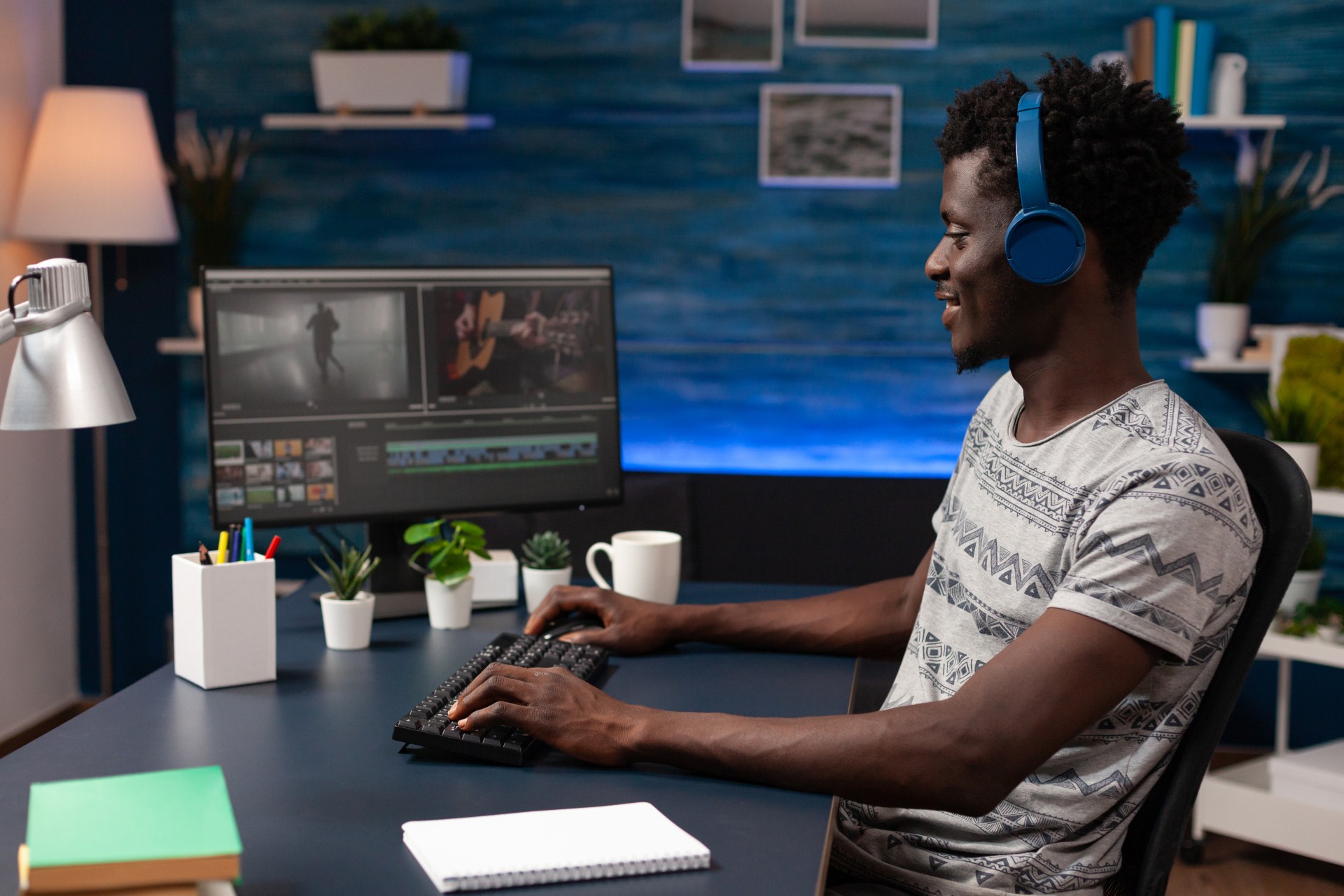
The question gets asked constantly in online editing communities, in conversations between aspiring podcast creators, and in the minds of anyone who has watched a well-edited video and thought: could I learn to do that without going to film school?
The honest answer is yes. Video editing is absolutely learnable without formal education. Some of the most skilled editors working in podcast production, documentary filmmaking, and online video today are entirely self-taught. They developed their craft through a combination of deliberate practice, analytical study of content they admired, access to free and low-cost learning resources, and the discipline to work through the inevitable plateau periods that self-directed learning always produces.
But the honest answer also comes with important qualifications. Self-teaching video editing is possible and it produces genuinely skilled editors. It is also harder than most beginner guides suggest, takes longer than most people expect, and has specific failure modes that derail a significant proportion of the people who attempt it. Understanding these qualifications before you begin is the difference between a self-teaching journey that produces real skill and one that produces frustration and stagnation.
This post gives you the complete, unvarnished picture of what self-taught video editing actually involves: what can genuinely be learned without formal instruction, what the hardest parts are, what the most common failure points are, and what the fastest realistic path from beginner to competent editor looks like.
What Self-Teaching Video Editing Actually Means
Before examining whether video editing can be self-taught, it is worth being precise about what self-teaching means in this context, because the term covers a wide range of very different approaches with very different outcomes.
At one end of the spectrum, self-teaching means watching a few YouTube tutorials about your chosen software, following along with the demonstrated techniques, and applying those techniques to your own footage. This approach produces basic software familiarity relatively quickly, but it has significant limitations. Tutorial-following teaches you to replicate what the tutorial demonstrates. It does not teach you to make independent editorial decisions, to diagnose problems in your own work, or to apply principles flexibly to new material.
At the other end of the spectrum, self-teaching means developing a structured, deliberate learning program that combines software skill development with the study of editing theory and aesthetics, analytical engagement with excellent content across multiple genres, regular practice on real projects with genuine stakes, and active seeking of feedback from more experienced practitioners. This approach takes longer and requires more discipline, but it produces editors who are genuinely capable of independent, high-quality creative work.
The gap between these two approaches explains why some self-taught editors develop real professional capability while others spend years producing content that is technically functional but creatively limited. The method of self-teaching matters as much as the decision to self-teach.
What Can Realistically Be Self-Taught in Video Editing
With a clear picture of what substantive self-teaching involves, the question of what can actually be learned without formal instruction becomes more answerable.
Software Skills: The Most Straightforwardly Learnable Dimension
The technical skills of operating video editing software are the most straightforwardly self-teachable dimension of video editing. The mechanics of importing footage, assembling clips on a timeline, making cuts, applying effects and transitions, managing audio, exporting in the correct format, and using the specific tools of a particular digital audio workstation or video editing application are all learnable through a combination of tutorials, practice, and experimentation.
These technical skills are well-documented in free and low-cost resources. YouTube tutorials covering every major editing application, from Adobe Premiere Pro and Final Cut Pro to DaVinci Resolve and CapCut, are available at every level of complexity. The creators of professional editing software provide extensive documentation and tutorial libraries. Online platforms including Skillshare, LinkedIn Learning, and Udemy offer structured courses that move through software skills progressively.
A dedicated self-learner with good study habits can reach functional technical proficiency in a chosen editing application within three to six months of consistent practice. This proficiency means being able to execute the technical operations of editing without significant friction or time waste on mechanical problems.
Color Grading Fundamentals: Learnable With Patience
The foundational skills of color correction and grading are self-teachable, though they require more patience and more calibrated feedback mechanisms than software operation skills. Color correction, the process of normalizing exposure and white balance across clips, is well-documented and produces relatively objective results that the editor can assess against established standards.
Color grading, the creative process of establishing a visual look and maintaining it consistently, requires a more developed aesthetic sensibility and a more subjective judgment capacity. These can be developed through the systematic study of reference content and through the practice of attempting to replicate the color grades of content the learner admires, comparing the results against the reference and identifying the specific differences.
The primary challenge of self-teaching color grading is the feedback problem. Without calibrated monitoring equipment, the editor cannot be certain that what they see on their screen is an accurate representation of what their color decisions look like on other display devices. Self-taught colorists who have developed strong grading skills have typically invested in appropriate monitoring hardware alongside their software learning.
Audio Fundamentals for Video Editing: Learnable at the Basic Level
The basic audio skills required for video editing, level management, basic equalization, noise reduction, and the creation of clean dialogue tracks, are self-teachable and well-documented. The principles of audio for video are more systematic and less subjective than the aesthetic dimensions of visual editing, making them amenable to tutorial-based learning.
The more advanced dimensions of audio for video, including complex sound design, music editing with phrase awareness, and the sophisticated audio processing that professional podcast post-production requires, take longer to develop and benefit significantly from feedback from trained audio professionals.
For podcast video editors specifically, the audio dimension of the edit is as important as the visual dimension, because podcast content is primarily an audio experience that has been given a visual format. The quality of the audio edit directly affects the listener's experience of the content regardless of the quality of the visual work. Self-taught editors who neglect the audio dimension of their skill development produce content that is visually competent but aurally disappointing.
For podcast creators in Mumbai who want professional audio editing as part of their video post-production, the team at Fox Talkx Studio provides specialist podcast editing services where audio quality is treated with the same care as visual quality. Explore what professional audio and video editing looks like at https://www.foxtalkxstudio.com/services/podcast-editing-in-mumbai.
The Hard Parts of Self-Teaching Video Editing
Knowing what is learnable is one dimension of the picture. Knowing what is genuinely difficult about self-teaching video editing is equally important for setting realistic expectations and designing a learning approach that accounts for the specific challenges.
The Feedback Problem: Learning Without a Teacher
The most significant structural challenge of self-teaching any creative skill is the feedback problem. Effective skill development requires accurate feedback about the quality of the work being produced: specific identification of what is working, what is not, and why. In formal education, this feedback is provided by instructors. In professional employment, it is provided by senior colleagues and clients. In self-directed learning, it must be sourced independently.
Most self-taught editors receive inadequate feedback, which is the primary reason their development plateaus. They are their own sole assessors of their work, and this self-assessment is compromised by the familiarity bias that comes from being immersed in the production process. They cannot see their work as a fresh viewer would, and they often cannot identify the specific technical or creative decisions that are limiting their work's quality because they do not yet have the vocabulary or reference points to diagnose those decisions accurately.
Addressing the feedback problem requires deliberate effort. It means actively seeking critique from more experienced editors, from podcast creators who can assess the quality of the editing from a content perspective, and from viewers who can provide fresh-eye responses to the finished content. It means submitting work to online editing communities where peer critique is available. And it means developing the analytical skills to study excellent editing and compare it to your own work with enough precision to identify the specific differences.
The Aesthetics Gap: Developing Taste Alongside Technique
The gap that most self-taught editors struggle most to close is the aesthetics gap: the distance between their technical capability and their creative judgment. This gap is named by the filmmaker and radio producer Ira Glass in a widely cited observation about creative skill development: at the beginning, your taste is more developed than your ability, and the frustration of knowing the difference between what you want to produce and what you are capable of producing is the hardest part of early creative development.
For self-taught video editors, this aesthetics gap is particularly pronounced because technical skills can be acquired relatively quickly through tutorials and practice, while the creative judgment that distinguishes good editing from great editing develops much more slowly through exposure, analysis, and the accumulation of editorial experience.
The most effective approach to closing the aesthetics gap is systematic engagement with excellent content across multiple genres and editing styles. This means watching with analytical attention rather than passive absorption, asking specific questions about every editorial decision: why is this cut here? What is this shot length doing? Why does this transition feel natural? How is the pacing managing the viewer's attention at this moment? Building this analytical habit across a sustained period of study is how creative judgment develops independently of formal instruction.
The Isolation Problem: Learning Without Peers and Mentors
Self-teaching video editing typically happens in isolation. The learner does not have classmates to compare notes with, instructors to clarify confusing concepts, or mentors to model professional practice. This isolation is not insurmountable, but it significantly slows the development of some skills and makes the development of others much harder than it needs to be.
The creative and editorial dimensions of editing are particularly affected by isolation. Understanding how experienced editors approach specific editorial problems, the reasoning behind their decisions, and the principles that guide their practice is knowledge that is most efficiently transferred through direct interaction with those editors. In the absence of such interaction, the self-taught editor must reconstruct this knowledge through analysis and inference, a process that is genuinely possible but significantly less efficient than direct knowledge transfer.
Addressing the isolation problem means building connections with more experienced editors wherever possible. Online communities including Reddit's video editing forums, Discord servers for podcast creators and video editors, and the comment communities around editing-focused YouTube channels all provide access to more experienced practitioners whose knowledge can partially substitute for the mentoring relationships that formal education provides.
The Fastest Realistic Path to Self-Taught Editing Competence
With a clear picture of what is learnable and what the specific challenges are, the fastest realistic path to genuine self-taught editing competence becomes more precisely specifiable.
Stage One: Foundational Software Competence
The first stage is building foundational software competence: the ability to execute the mechanical operations of editing without significant friction. This stage is achieved most efficiently through structured courses that move progressively through software skills rather than through random tutorial watching that covers topics in an arbitrary order.
Select one editing application and commit to it for at least a year before considering alternatives. The mechanical skills of editing are transferable between applications, but the time investment in learning a specific software interface is significant enough that switching applications before reaching competence in the first is counterproductive.
Allocate specific, regular practice time rather than learning only when inspiration strikes. Deliberate practice on a consistent schedule produces faster skill development than intensive bursts followed by long gaps. The neuroscience of skill acquisition consistently shows that distributed practice over time is more effective than massed practice in concentrated periods.
Practice on real content with real stakes, even at the earliest stages. Editing your own podcast content, a friend's video project, or volunteer work for a community organization produces more genuine learning than editing practice footage with no real audience or purpose. The pressure of a real project reveals limitations in your skills that practice footage does not, and it produces feedback from real viewers whose responses are more valuable than your own assessment of the practice work.
Stage Two: Developing the Analytical Habit
Parallel to the development of software skills, the second stage of self-taught editing development is the cultivation of the analytical habit: the practice of watching excellent content with deliberate analytical attention.
Create a study list of podcast video content, documentary films, and other video content that you consider excellently edited. Watch each piece at least twice: once for content and once for edit analysis. During the analytical viewing, pause at every significant cut and identify what motivated it, what the cut is doing for the viewer's experience, and what alternative choices the editor might have made and why they appear to have made the choice they did.
This analytical viewing practice, sustained over months rather than days, builds the vocabulary and conceptual framework for making better editorial decisions in your own work. It also helps to close the aesthetics gap by raising your conscious awareness of the specific techniques used in excellent editing to the level where those techniques become available for deliberate application in your own practice.
Stage Three: Building a Feedback Loop
The third stage, which should begin as early as possible and run in parallel with the first two, is building a feedback loop that addresses the isolation and feedback problems of self-teaching.
Join online communities where editing work is shared and critiqued. Submit your edited episodes for critique and provide genuine critical feedback on the work of others, because the discipline of articulating what is and is not working in someone else's edit develops the same analytical skills that improve your own work.
Seek out more experienced editors who are willing to give specific feedback on your work. Many professional editors are active in online communities and are willing to give constructive feedback to serious learners who ask specific questions. The specificity of the questions matters: "what do you think of my editing" produces less useful feedback than "I am struggling with the pacing in the mid-section of this episode, and I am not sure whether the shot lengths in the four to eight minute section are appropriate for the content. Can you watch that section and tell me what you observe?"
For podcast creators and aspiring editors in Mumbai who want access to professional editorial feedback and the opportunity to understand how professional podcast editing decisions are made, Fox Talkx Studio provides a model of professional editing practice that offers valuable reference points for self-developing editors. Explore the professional editing services and understand the standards they produce at https://www.foxtalkxstudio.com/services/podcast-editing-in-mumbai.
Stage Four: Developing Specialization
The fourth stage of self-taught editing development is deliberate specialization: the focusing of learning effort on the specific type of editing that the learner wants to practice professionally. For podcast video editors, this means developing specific expertise in the editorial conventions, technical requirements, and aesthetic standards of podcast video content rather than developing generalist editing skills.
Podcast video editing has specific characteristics that distinguish it from other editing contexts. The primacy of the spoken word over the visual track means that audio editing skill is as important as visual editing skill. The conversational format creates specific challenges of pacing, reaction shot management, and body language reading that narrative or commercial editing does not encounter in the same way. The multi-platform distribution requirements of podcast video content, requiring simultaneous delivery for YouTube, audio platforms, and social media clips, create production workflow challenges that generalist editing training does not address.
Developing specialization in podcast video editing means immersing in the specific body of knowledge, technique, and aesthetic judgment that this format requires. It means studying the best podcast video content analytically, understanding the specific editorial decisions that make excellent podcast video different from average podcast video, and deliberately developing the skills that those decisions require.
When Self-Teaching Is Not Enough: Recognizing the Need for Professional Support
Honest assessment of the limits of self-teaching is as important as understanding what self-teaching can achieve. There are circumstances where the most productive decision is not to continue developing editing skills independently but to partner with professional editing support that can deliver the quality the content requires while the creator focuses on the content itself.
The clearest indicator that self-teaching is not delivering the quality the show needs is a persistent plateau: a period of several months where the editing is not noticeably improving despite consistent effort and genuine practice. This plateau often indicates either the feedback problem, the editor cannot see what needs to improve because they lack the external perspective to assess their work accurately, or the aesthetics gap, the editor's technical skill is sufficient but their creative judgment is not yet calibrated to the standard the content requires.
For podcast creators in Mumbai whose shows have reached the stage where production quality is a genuine competitive consideration, working with a specialist podcast editing service provides the professional standard that self-developed skills may not yet have reached. Fox Talkx Studio offers podcast editing services that deliver broadcast-quality results while the creator continues to develop their own editorial understanding. The quality of the professional work also provides a reference standard that directly supports the self-taught editor's development. Visit https://www.foxtalkxstudio.com/services/podcast-editing-in-mumbai to explore what professional podcast editing looks like and what it delivers for show quality and audience growth.
Key Takeaways
Video editing can absolutely be self-taught, and self-teaching produces genuinely skilled editors when the learning approach is structured, deliberate, and sustained. The technical skills of editing software are the most straightforwardly learnable dimension. The creative and aesthetic dimensions, including pacing judgment, body language reading, and editorial voice, require more time, more analytical study, and more active feedback seeking to develop.
The fastest path to self-taught editing competence combines structured software learning with analytical study of excellent content, deliberate specialization in the target editing context, and the active construction of feedback mechanisms that address the isolation problem of self-directed learning.
The realistic timeline for reaching genuine professional competence through self-teaching is typically one to three years of consistent, deliberate practice. The editors who achieve this in less time are those who are most disciplined about the analytical habit, most active in seeking feedback, and most honest about the specific gaps in their skill that need to be addressed.
For podcast creators who want professional editing quality while they develop their own skills, or who have recognized that the demands of their show require more than self-taught skills can currently deliver, specialist podcast editing services provide the quality floor that serious content creation demands. Fox Talkx Studio is the professional editing partner in Mumbai that delivers this quality consistently, episode after episode, for creators and brands who understand that their show is only as good as the editing that shapes it.
Take the next step toward professional podcast editing quality at https://www.foxtalkxstudio.com/services/podcast-editing-in-mumbai.