
How Podcasting is Bringing DJs and Fans Closer Together
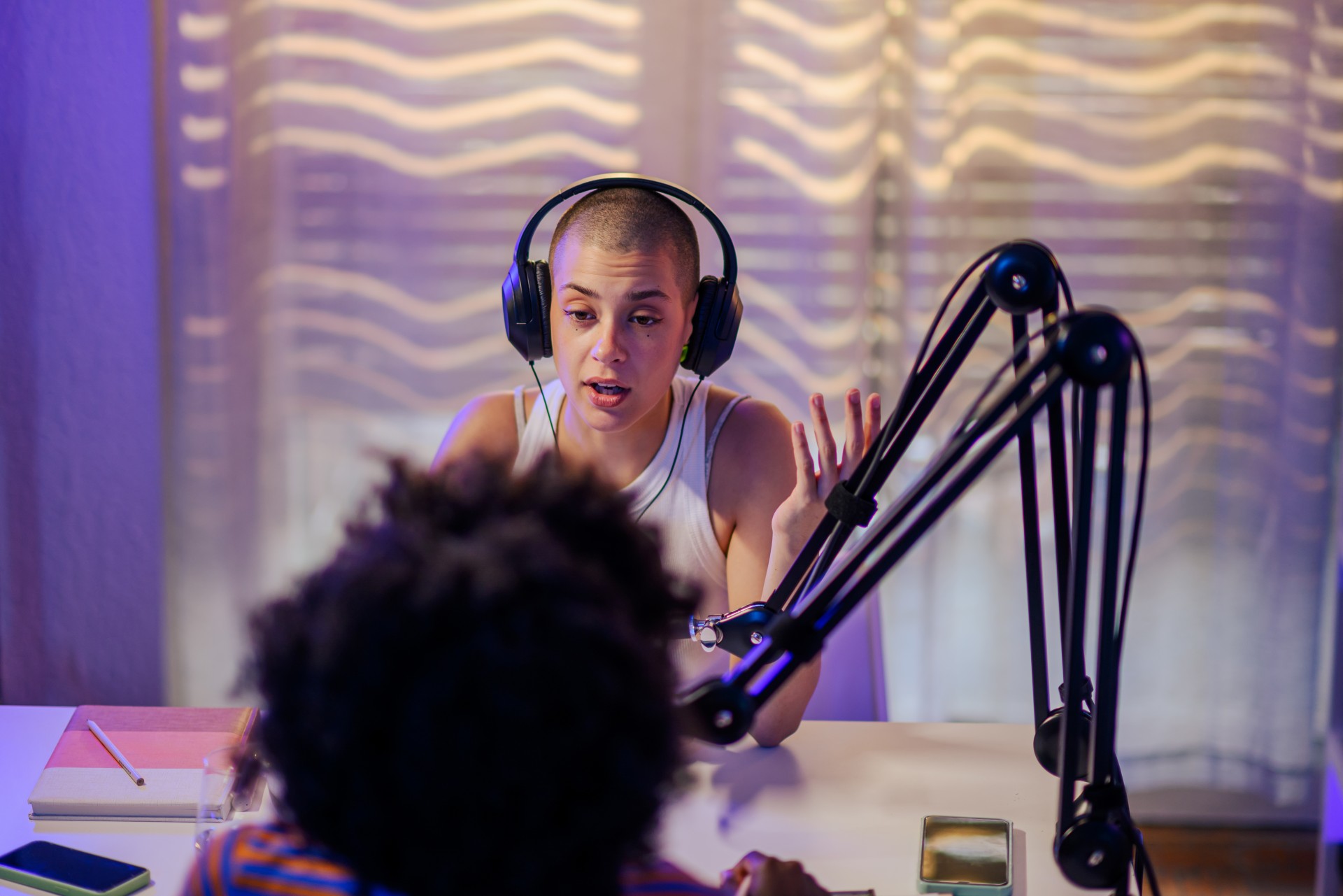
For decades, the relationship between a DJ and their audience was defined by a single, electric moment: the dancefloor. A packed venue, a curated set, the physical energy of a crowd moving together to music selected and mixed by someone who understood instinctively what they needed to hear next. It was powerful, it was visceral, and it was entirely one-directional. The DJ communicated through music. The crowd responded through movement. And when the night ended and the lights came on, that connection dissolved until the next event.
Something fundamental has changed. The relationship between DJs and their audiences is no longer confined to the hours between midnight and dawn. It is being rebuilt, deepened, and sustained through a medium that would seem, on the surface, to have nothing to do with dancefloors or decks: the podcast.
Across the global music community, DJs, producers, and electronic music artists are discovering that podcasting offers something the dancefloor never could: the opportunity to be known as a person, not just as a performer. To share the stories behind the music, the influences that shaped the sound, the journey from bedroom producer to festival headliner, the philosophical framework behind a genre-defining set. And audiences, it turns out, are hungry for exactly this kind of access.
This is the story of how podcasting is transforming the DJ-fan relationship, why it matters for the future of music culture, and what DJs who are serious about building lasting careers need to understand about this shift.
The Dancefloor Has Always Had a Limitation
To appreciate what podcasting offers the DJ-fan relationship, it helps to understand what the dancefloor cannot.
The dancefloor is a remarkable environment for shared experience. It creates a sense of communal presence that very few other social contexts can replicate. But it is, by its nature, an experience of anonymity. The DJ is elevated, often literally, above the crowd. The music is the medium of communication, and it is a medium that speaks in feeling rather than in language. Audiences know how a great set makes them feel. They rarely know anything about the person who created it.
This anonymity was, for a long time, considered part of the mystique of DJ culture. The faceless producer, the unknown artist behind a beloved track, the DJ whose personal identity was entirely secondary to the music they played. There was genuine artistic integrity in this position, and for some artists it remains the right choice.
But for the majority of DJs building careers in an increasingly crowded and competitive music landscape, anonymity is a liability rather than an asset. In a world where listeners have access to more music than any human being could hear in a lifetime, the differentiating factor is no longer simply the quality of the music. It is the connection between the artist and the audience. It is the story, the personality, the relationship that makes one artist's music feel personally meaningful while another's feels interchangeable.
Podcasting is where that connection is being built.
Why Podcasting Works So Powerfully for Music Artists
The match between podcasting as a medium and music artists as creators is not immediately obvious, but it is extraordinarily natural once you look closely at what both have in common.
Both are primarily audio experiences. Both are consumed in intimate, personal contexts, headphones on a commute, speakers in a home studio, earbuds on a late-night walk. Both create a sense of private communication between creator and audience that other media rarely achieve. And both reward the kind of sustained, attentive engagement that builds genuine emotional connection over time.
For a DJ whose creative identity is rooted in the experience of sound, the transition from communicating through music to communicating through conversation is less of a leap than it might appear. The skills are different, but the underlying goal is the same: to create an audio experience that moves the listener.
The Parasocial Revolution in Music Fandom
There is also a broader cultural shift at work that podcasting is both reflecting and accelerating. The nature of music fandom has changed profoundly in the streaming era. Fans no longer simply listen to an artist's music. They follow their lives, their opinions, their creative processes, and their personal journeys across multiple platforms and formats.
This shift has created what researchers call parasocial relationships, deep feelings of personal connection to public figures developed through repeated, intimate media exposure. Fans who feel they know an artist personally, who understand their influences, their creative philosophy, their struggles and triumphs, are not just fans. They are advocates, community members, and lifetime supporters whose loyalty goes far beyond any individual release or performance.
Podcasting is the most powerful parasocial relationship-building tool available to music artists, precisely because it is the most intimate. A fan who has spent twenty hours listening to a DJ speak about their creative process, their musical influences, their experience of performing at festivals across the world, and their vision for the future of their sound knows that artist in a way that no amount of social media following can replicate.
How DJs Are Using Podcasting to Tell Their Stories
The ways in which DJs and music artists are using the podcast format are as varied as the music itself. But several clear patterns have emerged in how the medium is being deployed most effectively.
The Artist Journey Podcast
The most personal form of DJ podcasting is the artist journey format, in which the host uses their own story as the primary content. Episodes might explore how they discovered electronic music, the early gigs that shaped their performance philosophy, the creative decisions behind specific tracks or albums, the experiences of touring internationally, or the personal challenges of sustaining a career in an industry as unpredictable as music.
This format works because stories are the most powerful connection-building mechanism available to any communicator. When a DJ tells the story of the night they almost quit music, or the moment they heard the track that changed everything, or the first time they played to a crowd that truly connected with their set, they are not just sharing information. They are inviting the listener into their interior life. And that invitation creates the kind of intimacy that transforms a casual fan into a genuine supporter.
The quality of storytelling in this format depends enormously on the quality of the recording and production environment. A poorly recorded episode with distracting background noise or inconsistent audio levels undermines the intimacy that the format requires. Professional podcast production ensures that the audio quality supports rather than disrupts the listener's immersive experience. For music artists in Mumbai looking to launch this kind of deeply personal podcast format, Fox Talkx Studio provides the professional recording and editing support to bring these stories to life at the standard they deserve. Explore the services available at https://www.foxtalkxstudio.com/services.
The Music Culture Conversation Podcast
A second highly effective format for DJ podcasters is the music culture conversation, in which the host brings in guests from across the music world for extended discussions about the history, philosophy, and future of their genre or scene.
These conversations serve multiple purposes simultaneously. They position the host as a genuine intellectual voice within their music community rather than simply a performer. They create opportunities for collaboration and cross-promotion with other artists, producers, label heads, and music industry figures. And they give fans a rich, context-rich understanding of the musical culture that their favorite artist inhabits.
For DJs who have spent years immersed in a particular scene, the conversations they can have about that scene's history, its key moments, its unsung heroes, and its future directions are genuinely fascinating to fans who love the music but lack the insider perspective to understand it fully. The podcast format gives these conversations a home and an audience.
The Mix Show With Context
Many DJs have been producing mix shows, pre-recorded DJ sets distributed digitally, for years. What podcasting adds to this established format is context and conversation. Instead of simply releasing a recorded mix, the DJ records commentary about the set, discussing the tracks selected, the emotional arc of the mix, the influences behind specific choices, and the story of how the set came together.
This format bridges the gap between the dancefloor experience and the conversational intimacy of podcasting. Listeners get both the music they love and the kind of behind-the-scenes access that deepens their appreciation of the artistry behind it. The mix becomes not just a listening experience but an educational and relational one.
Building Fan Communities Through Regular Podcast Publishing
One of the most significant ways podcasting is changing the DJ-fan relationship is by creating a regular, predictable touchpoint between artist and audience that the traditional music release cycle simply cannot provide.
A DJ who releases a new track or album every six to twelve months has very limited opportunities to stay present in their audience's lives between releases. A DJ who publishes a new podcast episode every week or fortnight is in regular, intimate contact with their audience fifty-two weeks a year. The depth of relationship that develops through this sustained regular contact is categorically different from the one maintained through occasional releases and social media posts.
How Consistency Builds Community
The fan communities that form around consistently published podcasts share characteristics that distinguish them from ordinary social media followings. They have a sense of shared history, built from months or years of listening to the same episodes at the same time. They have a common vocabulary and set of references drawn from the conversations they have all heard. And they have a genuine sense of knowing the artist at a personal level that creates the kind of fierce, protective loyalty that every music career benefits from.
These communities also sustain themselves. Fans recommend the podcast to friends and fellow music lovers. They discuss episodes in online spaces and at events. They bring new members into the community organically, driven entirely by genuine enthusiasm rather than marketing spend. For DJs who are building careers for the long term rather than chasing short-term viral moments, this kind of organic community development is one of the most valuable things podcasting can deliver.
The Role of Listener Interaction in Deepening Fan Relationships
The most community-focused DJ podcasters build listener interaction directly into their format. Dedicated segments where listener questions are answered, fan music recommendations that are discussed and sometimes played, and shoutouts to long-time listeners who have been part of the journey from the beginning all create a sense that the fan community is not just consuming the podcast but participating in it.
This participatory dimension of podcast community building is particularly powerful for music artists, because music fandom already has a strong participatory dimension. Fans do not just listen to music. They collect it, discuss it, analyze it, and share it. A podcast that taps into this existing participatory energy and gives it a structured, regular context becomes the focal point of a fan community rather than just another content feed.
The Practical Advantages of Podcasting for DJ Career Development
Beyond the relational and community-building dimensions, podcasting delivers practical career advantages that are directly relevant to the business of sustaining a DJ career in a competitive industry.
Podcast Guesting as Industry Networking
Appearing as a guest on other music-focused podcasts is one of the most effective networking strategies available to emerging DJs. Every guest appearance on an established show provides access to that show's existing audience, exposure to listeners who may not have previously encountered the DJ's work, and the credibility that comes from being invited to speak on a respected platform.
For DJs building their profile in specific music scenes or geographic markets, strategic podcast guesting can accelerate name recognition and industry relationships far more efficiently than traditional networking events or social media activity. The conversations that happen on podcasts are substantive enough to create genuine connections between artists and audiences, rather than the superficial impressions that brief social media interactions typically generate.
Sponsorship and Revenue Opportunities
For DJs with established podcast audiences, sponsorship represents a meaningful additional revenue stream that is entirely independent of performance fees, streaming royalties, or merchandise sales. Brands targeting music enthusiasts, audio equipment companies, music production software developers, streaming platforms, and music-adjacent lifestyle brands are all active podcast advertisers looking for shows with engaged, relevant audiences.
A DJ with a podcast audience of five thousand highly engaged listeners in a specific music niche is a more valuable partner for a targeted music brand than a social media account with fifty thousand passive followers. Podcast audiences are attentive, loyal, and have demonstrated a genuine investment in the host's perspective through their sustained listening. These qualities make them far more responsive to host-endorsed products and brands than typical social media audiences.
Building an Owned Audience Independent of Platform Algorithms
Perhaps the most strategically important advantage of podcasting for DJ career development is audience ownership. Social media platforms, streaming services, and booking platforms can all change their algorithms, their terms, or their business models in ways that dramatically affect a music artist's reach and income. Podcast subscribers, particularly email list subscribers built through a podcast, are an audience the artist owns directly, without algorithmic intermediation.
A DJ who has built a loyal podcast subscriber base of even a few thousand listeners has a direct line of communication to those fans that no platform can take away. When a new release drops, a tour is announced, or a new project launches, that owned audience is immediately accessible and reliably responsive. This kind of audience ownership is an asset that compounds in value over the course of a career.
What Great DJ Podcasting Sounds Like: The Production Dimension
For DJs, who are by professional definition experts in the relationship between sound quality and listener experience, the production standards of their podcast carry particular weight. A DJ whose music is immaculately produced but whose podcast sounds like it was recorded in a bathroom creates a jarring dissonance that undermines the show's credibility.
Why Audio Quality Matters Even More for Music Artists
Music fans are, by definition, people whose relationship with audio quality is more developed and more demanding than the average listener. They notice the difference between a well-recorded and a poorly recorded voice. They are sensitive to the acoustic environment of a recording in ways that casual listeners may not consciously register but still feel at a subconscious level.
For a DJ whose creative identity is built on the quality of their audio output, a poorly produced podcast is a contradiction that fans will notice. The production standard of the podcast needs to reflect the production standard of the music. Both are expressions of the same artistic identity, and both need to meet the same bar of quality.
The Studio as the Right Environment for Music Artist Podcasting
Professional podcast studios offer music artists something that home recording setups rarely can: an environment whose acoustic quality is comparable to the studio environments in which their music is produced. The warmth, clarity, and spatial quality of a well-treated podcast studio creates an audio experience that feels consistent with the artist's broader sonic identity.
For DJs in Mumbai who want their podcast to sound as good as their music, Fox Talkx Studio provides professional recording and podcast editing services designed to deliver broadcast-quality audio that reflects the production standards their audiences expect. Whether you are launching a new music conversation series or elevating an existing show, the team at Fox Talkx Studio brings the technical expertise and creative understanding to make every episode sound exceptional. Discover what is possible at https://www.foxtalkxstudio.com.
The Future of the DJ-Fan Relationship in the Podcast Era
The shift that podcasting is creating in the DJ-fan relationship is not a temporary trend driven by a specific moment in media culture. It reflects a deeper and more permanent change in how audiences relate to the artists they care about.
Fans in every genre and every medium increasingly expect access. Not just to the music or the performance, but to the person behind it. They want to understand what the artist thinks, how they work, what they believe, and what drives them. They want to feel that the relationship is genuine and reciprocal, not just a transaction in which they pay for a ticket and receive a performance.
Podcasting is the format that makes this access possible at scale. It is the medium through which DJs can share themselves as fully dimensional human beings rather than as performers defined entirely by their sets. And it is the foundation on which the most durable, most loyal, and most generative fan communities of the coming decade will be built.
The DJs who understand this and invest in building a quality podcast presence now, with the production standards, the storytelling depth, and the publishing consistency that the medium demands, are positioning themselves for a kind of career longevity and audience connection that the dancefloor alone has never been able to guarantee.
The Bottom Line
Podcasting has given DJs something the dancefloor never could: a format for ongoing, intimate, personal communication with their audience that builds depth of connection over time. It has created space for music artists to be known as people, not just performers, and to build communities of fans whose loyalty extends far beyond any individual release or event.
For DJs in Mumbai and across India who are ready to take this step, the production quality of the podcast is part of the artistic statement. It needs to meet the same standard as the music itself. Fox Talkx Studio provides the professional recording environment and podcast editing expertise to ensure that every episode of your show sounds worthy of the audience you are building.
Start building that audience today. Explore the full range of podcast production services at Fox Talkx Studio at https://www.foxtalkxstudio.com/services and take the first step from the decks to the dialogue that your fans are waiting to hear.