
How to Choose the Right Microphone for Your Voice and Recording Style
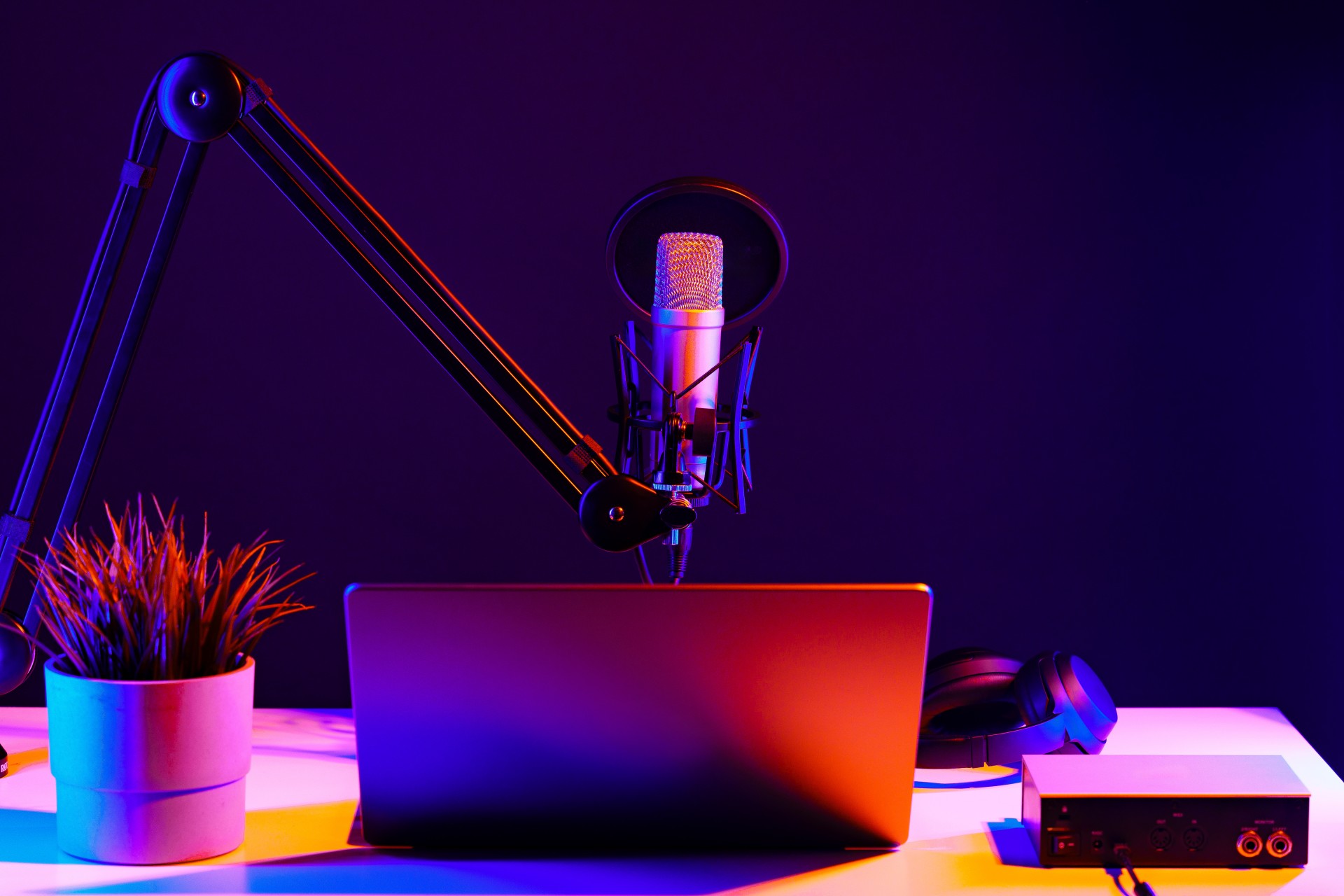
The microphone is the single most consequential equipment decision in podcast production. Every other production investment, the audio interface, the recording software, the acoustic treatment, operates on the signal that the microphone captures. If the microphone captures a poor representation of the voice, no subsequent processing can fully restore what was never recorded in the first place.
Yet the microphone decision is also the one that most podcast creators make with the least specific knowledge of what they actually need. The market offers hundreds of options across a wide price range, the marketing language used to describe microphone characteristics is frequently technical without being informative, and the advice available online tends toward generic recommendations that do not account for the specific voice characteristics, the specific recording environment, and the specific production workflow of the individual creator.
The right microphone for one creator's voice in one recording environment with one production workflow may be entirely wrong for another creator with different voice characteristics in a different environment with a different workflow. Understanding the specific factors that determine microphone suitability for a specific situation is what allows a creator to make a genuinely informed choice rather than simply purchasing the most frequently recommended option and hoping it works for their specific circumstances.
This guide covers the complete framework for choosing the right microphone: the fundamental technical distinctions between microphone types that determine their suitability for different recording situations, the voice characteristic considerations that affect which microphone type produces the most flattering representation of a specific voice, the recording environment factors that constrain the practical microphone options, and the workflow considerations that determine the connection type and form factor most appropriate for the specific production setup.
The Fundamental Microphone Type Distinction
Dynamic Microphones
Dynamic microphones work by detecting the physical movement of a diaphragm suspended in a magnetic field. When sound pressure waves from the speaker's voice hit the diaphragm, the physical movement generates an electrical current that corresponds to the sound wave. This physical operating principle has several specific consequences for the recording characteristics that make dynamic microphones more or less suitable for specific situations.
Dynamic microphones are significantly less sensitive to quiet and distant sounds than condenser microphones. The physical movement of the diaphragm requires meaningful sound pressure to generate a significant electrical signal, which means that ambient noise at moderate levels has minimal impact on the recording while the speaker's voice at close range is captured at full sensitivity. This characteristic makes dynamic microphones the practical choice for recording in environments with significant ambient noise.
Dynamic microphones also have a frequency response that is typically less extended at the high frequencies than condenser microphones, which produces a warmer, somewhat less airy sound character that many listeners find flattering for spoken voice content. The Shure SM7B, the industry-standard dynamic microphone for podcast production globally, produces a warm, present voice recording that has become the sonic benchmark that many podcast listeners associate with professional audio quality.
The limitation of dynamic microphones is their lower output level compared to condenser microphones, which requires more gain from the audio interface preamplifier to bring the signal to a usable recording level. This gain requirement is not a problem with high-quality audio interfaces but can produce audible noise with budget interfaces whose preamplifiers are not clean at high gain settings.
Condenser Microphones
Condenser microphones use a different operating principle: the diaphragm is one plate of a capacitor, and its movement in response to sound pressure changes the capacitance, which generates an electrical signal. This operating principle requires external power, called phantom power, supplied by the audio interface.
Condenser microphones are significantly more sensitive than dynamic microphones, capturing a more detailed and more extended frequency response that includes the high-frequency air and presence that gives condenser recordings their characteristic openness and clarity. This higher sensitivity and more extended frequency response makes condenser microphones the preferred choice for recording in acoustically treated environments where the additional sensitivity reveals the voice's full frequency content without revealing problematic ambient noise.
The same sensitivity that makes condenser microphones excel in treated acoustic environments makes them problematic in noisy environments. A condenser microphone in a typical Mumbai apartment will capture the traffic outside, the building's mechanical systems, and every ambient sound in the room with the same sensitivity it captures the speaker's voice.
Large diaphragm condenser microphones, including the Audio-Technica AT2020, the Rode NT1, and professional options from Neumann and AKG, produce the detailed, open voice recordings that are the reference standard for professional podcast audio in treated studio environments. They are the microphone type of choice in professional studio recording, where the acoustic environment has been specifically designed to make their sensitivity an advantage rather than a liability.
USB Versus XLR Connection
Beyond the fundamental dynamic and condenser distinction, the connection type of the microphone determines how it integrates into the recording workflow and what additional equipment it requires.
USB microphones combine the microphone capsule with an analog-to-digital converter in a single unit that connects directly to a computer without requiring a separate audio interface. This integrated design makes USB microphones the most accessible entry point into podcast recording, requiring only the microphone and a computer to begin recording. The Audio-Technica ATR2100x-USB and the Rode NT-USB Mini are examples of USB microphones that provide accessible professional quality without additional equipment investment.
The limitation of USB microphones is the quality of the integrated analog-to-digital conversion, which is adequate for most podcast production applications but falls below the conversion quality of dedicated audio interfaces at equivalent price points. For creators whose production priorities include the highest possible audio quality, XLR microphones combined with dedicated audio interfaces provide a meaningful quality advantage over USB microphones at equivalent price points.
XLR microphones require a separate audio interface with phantom power for condenser microphones, which adds cost and complexity to the setup but provides the conversion quality, the gain quality, and the monitoring capabilities that serious podcast production requires.
For podcast creators in Mumbai who want access to professional broadcast-grade microphones without the investment of purchasing them, Fox Talkx Studio's professional recording facilities provide the complete microphone and audio interface infrastructure that delivers broadcast-quality recordings from every session.
Voice Characteristic Considerations
Voice Weight and Microphone Character
The specific tonal character of the host's voice is one of the most important factors in microphone selection, because different microphones emphasize different frequency ranges in ways that can either flatter or unfavorably color the voice depending on its specific characteristics.
Voices with significant natural warmth and bass weight, deeper male voices and full contralto female voices, are well-served by microphones with a relatively neutral or slightly bright frequency response that does not add additional warmth to a voice that already has sufficient low-frequency content. Dynamic microphones with their slight high-frequency rolloff can produce excessively warm, muddy recordings of already-warm voices, while a condenser microphone with its more extended high-frequency response maintains clarity and definition in the voice.
Voices with thinner natural character and less inherent warmth benefit from the proximity effect warmth that close-placed dynamic microphones provide, which adds low-frequency body to voices that sound thin through microphones with neutral frequency responses. The SM7B's well-documented ability to add warmth and body to thin voices through its frequency response and proximity effect characteristics explains much of its popularity among podcast hosts whose natural voice characteristics benefit from this treatment.
The Sibilance Consideration
Sibilance is the harsh emphasis of the S, SH, and CH sounds in speech that some voices produce more prominently than others and that some microphones capture more prominently than others. A voice with significant natural sibilance recorded through a microphone with a presence peak in the four to eight kilohertz range can produce recordings where the sibilant sounds are uncomfortably harsh and distracting.
Creators whose voices have significant natural sibilance are better served by microphones with a smoother, less peaky high-frequency response that reduces rather than emphasizes the sibilance problem. Dynamic microphones generally have smoother high-frequency responses than condenser microphones and are typically less likely to exacerbate sibilance issues.
The most reliable approach to assessing a specific microphone's suitability for a specific voice's sibilance characteristics is recording a test segment and listening back through reference headphones specifically for the sibilant sounds. A microphone that makes the sibilance uncomfortable in the test recording will make it uncomfortable in every episode recorded with that microphone.
Recording Environment Factors
The Noise Environment Decision
As discussed in the noisy environment recording guide, the recording environment is the most constraining factor in microphone selection for many Indian podcast creators. A creator recording in a Mumbai apartment with significant ambient noise has a practical microphone selection that is significantly more constrained than one recording in a professional acoustically treated studio.
For home recording in noisy environments, the dynamic microphone is the practical choice regardless of the voice characteristics that might otherwise make a condenser microphone preferable, because the condenser microphone's sensitivity advantage becomes a significant liability in the presence of ambient noise that it captures as readily as it captures the voice.
For recording in a professional studio with appropriate acoustic treatment, the full range of microphone options is available and the selection can be based entirely on voice characteristics and tonal preferences rather than on noise rejection requirements.
Room Acoustics and Microphone Pattern
The directional pattern of the microphone determines how much of the room's acoustic character is captured alongside the voice. Cardioid pattern microphones reject sound from the sides and rear while capturing sound from the front, providing meaningful rejection of off-axis room reflections that reduces the roomy character of recordings made in acoustically untreated spaces.
Omnidirectional microphones capture sound equally from all directions, which produces a more natural, open recording in acoustically treated spaces but captures the full room character in untreated spaces in ways that create an undesirable ambient quality.
For home recording in acoustically untreated or partially treated spaces, cardioid pattern microphones are the appropriate choice because their directional rejection reduces the contribution of the room's acoustic character to the recording. For recording in a professional studio where the acoustic environment has been specifically designed to be captured accurately by an omnidirectional microphone, the choice between patterns can be made on sonic preference rather than practical necessity.
The Selection Framework for Specific Creator Situations
The Home Studio Creator in a Noisy Environment
For creators recording at home in a noisy Mumbai environment, the practical microphone selection is a cardioid dynamic XLR microphone connected to an audio interface with high-quality preamplification, or a USB dynamic microphone for the most accessible setup without a separate interface.
The specific models worth considering at different investment levels include the Shure SM58 as an accessible entry point that provides meaningful noise rejection in a proven broadcast dynamic capsule, the Rode PodMic as a purpose-designed podcast dynamic microphone with a built-in pop filter and a mounting system designed for desktop broadcast arms, and the Shure SM7B as the professional reference dynamic microphone that provides the best combination of noise rejection, voice flattery, and sonic character available in the dynamic category.
The Professional Studio Creator
For creators recording in professional studio environments, the microphone selection can prioritize sonic character and voice flattery over noise rejection, making the full range of large diaphragm condenser microphones available as options.
The specific studio microphone selection should be made through listening tests with the specific voice rather than through general category recommendations, because the voice characteristic interactions described above are specific to individual voices in ways that no general recommendation can fully predict.
Fox Talkx Studio provides creators with access to professional broadcast-grade microphones selected and positioned by experienced engineers for each individual voice and recording context, eliminating the microphone selection decision entirely while delivering the best possible sonic result for each creator's specific voice characteristics.
Key Takeaways
Choosing the right microphone requires matching the microphone's specific technical characteristics to the specific combination of the creator's voice characteristics, the recording environment, and the production workflow rather than simply selecting the most frequently recommended option.
Dynamic microphones provide meaningful ambient noise rejection that makes them the practical choice for noisy recording environments, at the cost of lower sensitivity and a warmer, less extended high-frequency response than condenser microphones provide.
Condenser microphones provide higher sensitivity, more extended frequency response, and more detailed voice recordings than dynamic microphones, but their sensitivity advantage becomes a significant liability in noisy environments where they capture ambient noise as readily as they capture the voice.
Voice characteristic considerations including natural voice weight, warmth, and sibilance tendencies should inform the specific microphone selection within the appropriate category for the recording environment, with listening tests on the specific voice providing the most reliable basis for the final selection decision.
For podcast creators in Mumbai who want professional broadcast-grade microphones selected and positioned for their specific voice in a professionally treated acoustic environment, Fox Talkx Studio's recording facilities provide the complete microphone infrastructure that delivers the best possible sonic result from every session without the uncertainty of the individual microphone selection process.