
How to Create a Podcast Trailer That Gets New Listeners to Subscribe Immediately
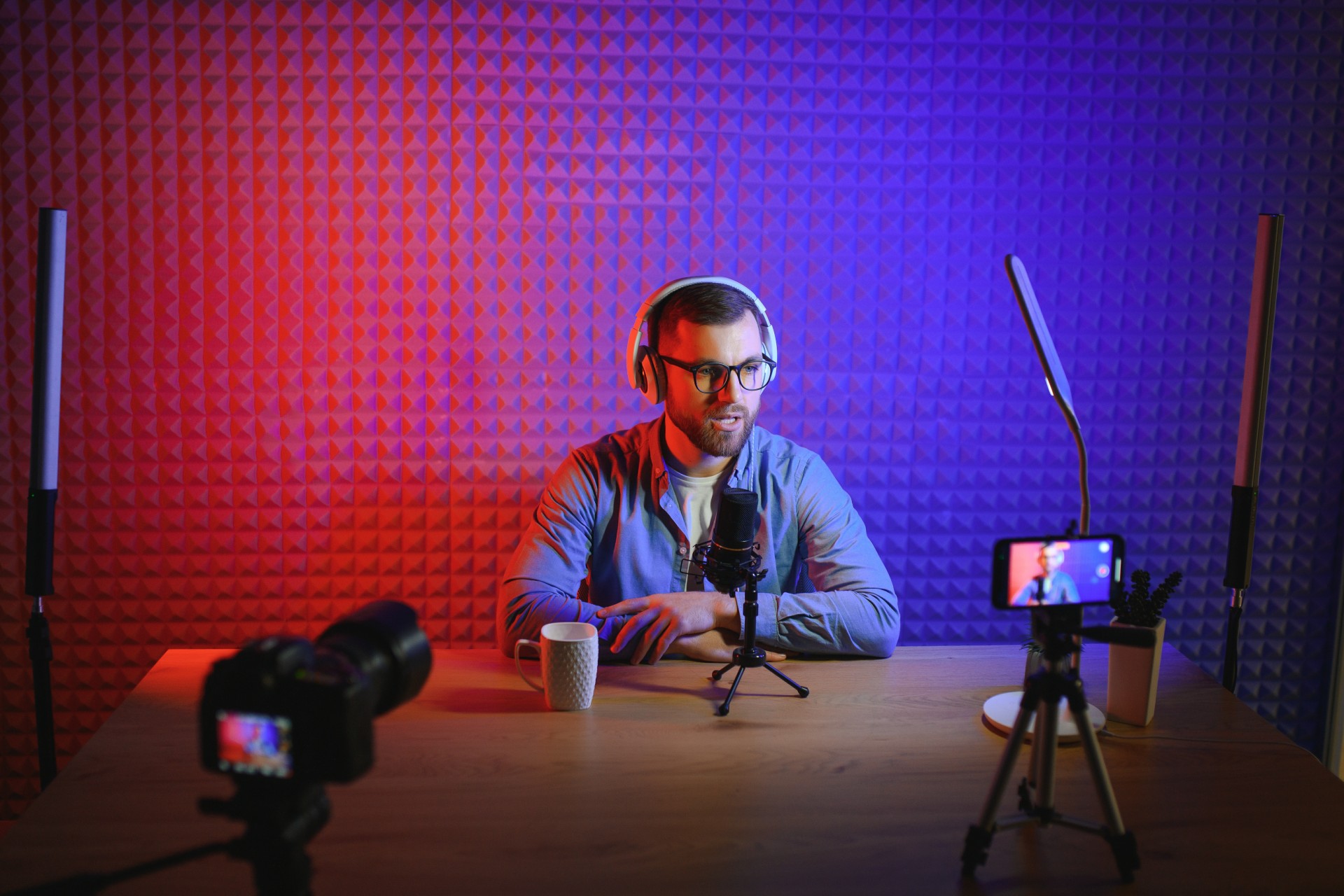
Most podcasts lose their best opportunity to grow an audience before they publish a single full episode. The podcast trailer, the short piece of audio that introduces a show to someone encountering it for the first time, is the single highest-leverage piece of content a podcaster will ever produce. It is the content that plays when a potential listener finds the show on Spotify, lands on the YouTube channel, or clicks the link shared by someone who recommended the show. It is the content that answers the question every new visitor is asking: is this worth my time?
A trailer that answers that question well converts casual browsers into committed subscribers. A trailer that answers it poorly, or that fails to answer it at all, loses listeners who might have become long-term fans. Understanding how to create a podcast trailer that gets new listeners to subscribe immediately is not a creative luxury for podcasters who have finished everything else. It is a foundational production task that determines the growth trajectory of a show from the moment it launches.
What a Podcast Trailer Is Actually Doing
Before getting into the mechanics of production, it is worth being precise about the job a podcast trailer is performing, because clarity on the job shapes every creative and technical decision that follows.
A podcast trailer is not a summary of the show. It is not a highlights reel of the best moments from past episodes. It is not an introduction to the host. It is a conversion tool. Its singular job is to take a person who has just discovered the show and move them from mild curiosity to active subscription in under two minutes.
That conversion requires the trailer to answer three questions in rapid succession. First, what is this show about and who is it for? Second, why should I trust this host to deliver on that premise? Third, what specifically am I going to get by subscribing that I cannot get anywhere else?
A trailer that answers all three of these questions clearly, quickly and compellingly will convert. A trailer that spends 90 seconds on the host's biography before ever mentioning what the show covers will not. Every creative decision in a podcast trailer should be evaluated against these three questions and the speed with which the trailer answers them.
The Structure That Works
Podcast trailers that consistently convert new listeners to subscribers follow a structure that has been refined through the growth of the medium. The structure is not rigid, and the best trailers adapt it to the specific show's voice and audience. But the underlying logic of the structure is grounded in how attention works and what listeners need to commit to a new show.
The Opening Hook: The First Ten Seconds
The first ten seconds of a podcast trailer determine whether a new listener continues or moves on. This is not an exaggeration. On Spotify and Apple Podcasts, a significant proportion of new listeners who begin playing a trailer will have moved on within 15 seconds if the opening has not given them a compelling reason to stay.
The opening hook is not a welcome. It is not "Hi, I am the host of this show." It is a statement, a question or a piece of audio that immediately signals what makes this show different, important or worth the listener's time.
A business podcast trailer that opens with "Most business advice is designed for companies that are already succeeding. This show is for founders who are figuring it out in real time" is doing something specific with its opening ten seconds. It is identifying an audience, articulating a gap in existing content and positioning the show as the answer to that gap. A potential listener who recognises themselves in that description has a reason to keep listening before they have heard anything about the host or the format.
A show about personal finance might open with a question: "When did someone last explain money to you in a way that actually made sense?" A true crime show might open with a piece of audio from an interview or an archival recording that immediately creates intrigue. The specific technique matters less than the outcome: the first ten seconds must give the new listener a reason to stay that is grounded in what the show is for them, not in who the host is.
The Promise: What This Show Delivers
After the opening hook has earned the listener's continued attention, the trailer needs to make the show's promise explicit. This is the section where the host states clearly and directly what the listener is going to get by subscribing.
The promise should be specific rather than generic. "A show about business" is not a promise. "Every week, I sit down with Indian founders who have built businesses past the first ten crores and ask them the questions they were never asked in public" is a promise. The specificity of the promise does the work of filtering the audience, which is valuable even when it reduces the total number of people who will subscribe. A listener who subscribes because the specific promise matches their specific interest is far more valuable than a listener who subscribes because the generic promise seemed vaguely relevant.
The promise section should also signal the format, the frequency and the guest or content type that the show will deliver. Not in a formal, box-checking way, but naturally within the description of what the show does. "Every Tuesday, I release a conversation with someone who" is more useful than a separate "new episodes every Tuesday" statement because it integrates the frequency into the promise rather than treating it as administrative information.
The Credibility Signal: Why Trust This Host
New listeners have no basis for trusting a host they have not heard before. The trailer needs to give them one quickly and without it sounding like a resume reading. The credibility signal can take several forms depending on what the host brings to the show.
A host with direct professional experience in the show's subject area should reference that experience in a way that is relevant to the listener rather than impressive-sounding in the abstract. "I spent eight years as a CFO for mid-size Indian companies before I started talking publicly about what I learned" is a credibility signal that is relevant to the listener. "I have 18 years of experience in financial services" is a credibility signal that sounds like a LinkedIn summary.
A host who does not have professional credentials in their subject area can build credibility through the quality of access they demonstrate, through a track record of relevant research, or through the voices of others. A clip of a well-known guest saying something specific and valuable about the show is a powerful credibility signal precisely because it comes from someone other than the host.
For new podcasters without established credibility in their field, the best credibility signal is often the quality and specificity of the questions they promise to ask. A host who demonstrates in the trailer that they understand the field deeply enough to ask questions that experts find interesting is telling the listener something important about the quality of the conversations that will follow.
The Social Proof Element
Where it exists, social proof is one of the most effective elements a podcast trailer can include. Listener testimonials, press mentions, platform features and guest names all function as social proof that reduces the risk the new listener perceives in committing to the show.
The guest name approach is particularly effective for shows in their early stages because it is available even before a large listener base has developed. If the first season features conversations with guests who are recognisable to the target audience, naming two or three of them in the trailer is a powerful signal about the show's level of access and the quality of the conversations it will deliver.
The Call to Action: Make It Specific
The trailer should end with a specific call to action that tells the listener exactly what to do next. "Follow the show on Spotify so you never miss an episode" is more effective than "subscribe wherever you listen to podcasts" because it is specific about the platform and specific about the action. On a YouTube video version of the trailer, the call to action should reference subscribing to the channel and turning on notifications.
The call to action should also create a sense of urgency or specificity about timing. "The first episode drops on the 15th of November" gives the listener a reason to act now rather than later. "New episodes every Monday morning" gives the listener a mental hook for when to expect the content.
The Audio Quality Decision
Everything described above about structure and content is undermined if the audio quality of the trailer is poor. This is the one production decision that has no workaround. A listener who encounters a podcast for the first time through a trailer that has background noise, inconsistent volume levels, muddy room acoustics or amateur sound quality will make a judgment about the show's overall production standards based on that first experience.
This judgment is not unfair. A show's trailer is its best work. If the trailer sounds unprofessional, the reasonable inference is that the episodes will sound the same or worse. The barrier to producing professionally recorded audio in India has never been lower, and the audience's exposure to high-quality podcast audio has never been higher. The gap between what listeners now expect and what a home recording setup typically delivers is wide enough to cost a show a significant proportion of the new listeners who would otherwise have subscribed.
Recording a podcast trailer in a professional studio environment solves this problem entirely. Fox Talkx Studio's podcast editing services in Mumbai give creators access to the kind of broadcast-quality production that turns a well-written trailer script into audio that immediately signals professional credibility to new listeners.
The difference is audible in the first five seconds. Reverb-free recording, consistent mic placement, professional-grade equipment and experienced sound engineering produce audio that sounds like the shows that serious listeners already follow. That quality signal works alongside the content of the trailer to tell the new listener that this show is worth their time.
The Length Question
Podcast trailers should be between 60 and 120 seconds. This is not a rigid rule, but it reflects the attention economics of trailer consumption. A trailer under 60 seconds often does not have enough time to answer all three core questions adequately. A trailer over 120 seconds risks losing listeners before it completes its conversion job.
The sweet spot for most shows is 90 seconds. This is enough time to deliver a strong opening hook, make the show's promise clearly, establish credibility and deliver a specific call to action, if the script is tight and the delivery is confident.
The most common reason trailers run long is that the host tries to do too much. A trailer is not the place to explain the origin story of the show in detail, to cover the host's full professional biography, to list every category of topic the show will cover, or to describe the format at length. All of those things can be explored in early episodes. The trailer's job is conversion, not comprehensiveness.
Music and Sound Design
Background music and sound design in a podcast trailer serve a specific purpose beyond making the audio sound more produced. They establish the emotional register of the show and signal to the listener what kind of experience the show offers.
A business podcast that uses confident, understated instrumental music in its trailer is communicating something different from a true crime podcast that uses tense, atmospheric sound design. A comedy podcast that uses upbeat, irreverent music is signalling something different from a mindfulness show that uses gentle, spacious audio. These signals work at an emotional level that precedes the listener's conscious processing of the content, which makes them powerful even when the listener is not consciously aware of them.
Music selection for a podcast trailer requires both taste and licensing. Using commercially released music without appropriate licensing rights is a risk that no serious podcaster should take, both because of the legal exposure and because platforms may mute or remove content that triggers content ID matches. Royalty-free music libraries offer a wide range of high-quality options that are appropriate for podcast production, and working with a professional post-production team means having access to the knowledge and tools to select and integrate music appropriately.
The Host's Delivery
The quality of the host's vocal delivery in the trailer is the single most direct signal about what listening to the show will feel like. A host who sounds uncertain, reads too obviously from a script, or delivers lines without the natural rhythm of genuine conversation is telling the listener that the episodes will feel the same way.
Recording the trailer in a professional environment helps delivery quality in ways that many hosts do not anticipate until they experience it. A well-treated recording space with professional monitoring, without the distractions and ambient noise of a home environment, allows a host to focus entirely on delivery. Multiple takes can be recorded and the best version selected. Small edits can be made to remove false starts or awkward pauses without audio quality degradation.
The result is a trailer that sounds like the host at their best rather than the host at their average, which is the appropriate standard for the piece of content that will represent the show to every new listener who discovers it.
Distribution Strategy for the Trailer
A well-produced trailer has no value sitting on a show's RSS feed where only existing subscribers encounter it. The distribution strategy for a podcast trailer determines how many new listeners actually encounter it.
The trailer should be the first thing a visitor hears when they find the show on any platform. On Spotify, shows can be set to play the trailer first for new visitors. On Apple Podcasts, the trailer episode should be pinned at the top of the episode list. On YouTube, the trailer can be set as the channel trailer that plays automatically for non-subscribers who visit the channel page.
Beyond platform placement, the trailer is the primary piece of content for social media promotion during a show's launch period. A 90-second audio clip is an appropriate length for LinkedIn, where professional content tends to receive good engagement when it has a clear value proposition. Short audiogram clips cut from the trailer, with waveform visualisation and captions, work well across Instagram and Twitter. The most compelling 15 to 30 seconds of the trailer can be cut as a short for YouTube Shorts and Instagram Reels, using the hook to drive traffic to the full trailer and the full show.
The trailer should also be the content that the host shares when asking their personal network to support the show's launch. A link to a well-produced, 90-second trailer is a much lower barrier to share and engage with than a link to a 45-minute first episode. People who would hesitate to commit to listening to a full episode will often listen to a trailer, and if the trailer does its job, they will subscribe and come back for the episode.
Updating the Trailer Over Time
A podcast trailer is not a permanent fixture. Shows evolve, audiences develop and the show's best content changes over time. A trailer recorded at launch that references guests or content from the first season may no longer be the best representation of the show after two or three seasons of growth.
Revisiting the trailer every 12 to 18 months, or at major milestones in the show's development, is worth the time and production investment. A show that has grown significantly and has a track record of strong content can produce a much more compelling trailer than it could at launch. The updated trailer benefits from the show's established credibility, the social proof of an existing listener base and the ability to reference the best content from across the show's history.
Fox Talkx Studio supports creators at every stage of podcast development, from recording launch trailers to producing updated versions as shows grow and evolve. The professional recording environment ensures that every version of the trailer reflects the show's best production standards, regardless of where the creator is in their podcast journey.
The podcast trailer is the most important two minutes a podcaster will ever record. Treating it with the creative attention and production quality it deserves is not optional for a show that is serious about growth. It is where the audience relationship begins, and first impressions in podcasting, as in most things, are very difficult to undo.