
How to Prepare for Your First Professional Podcast Recording Session
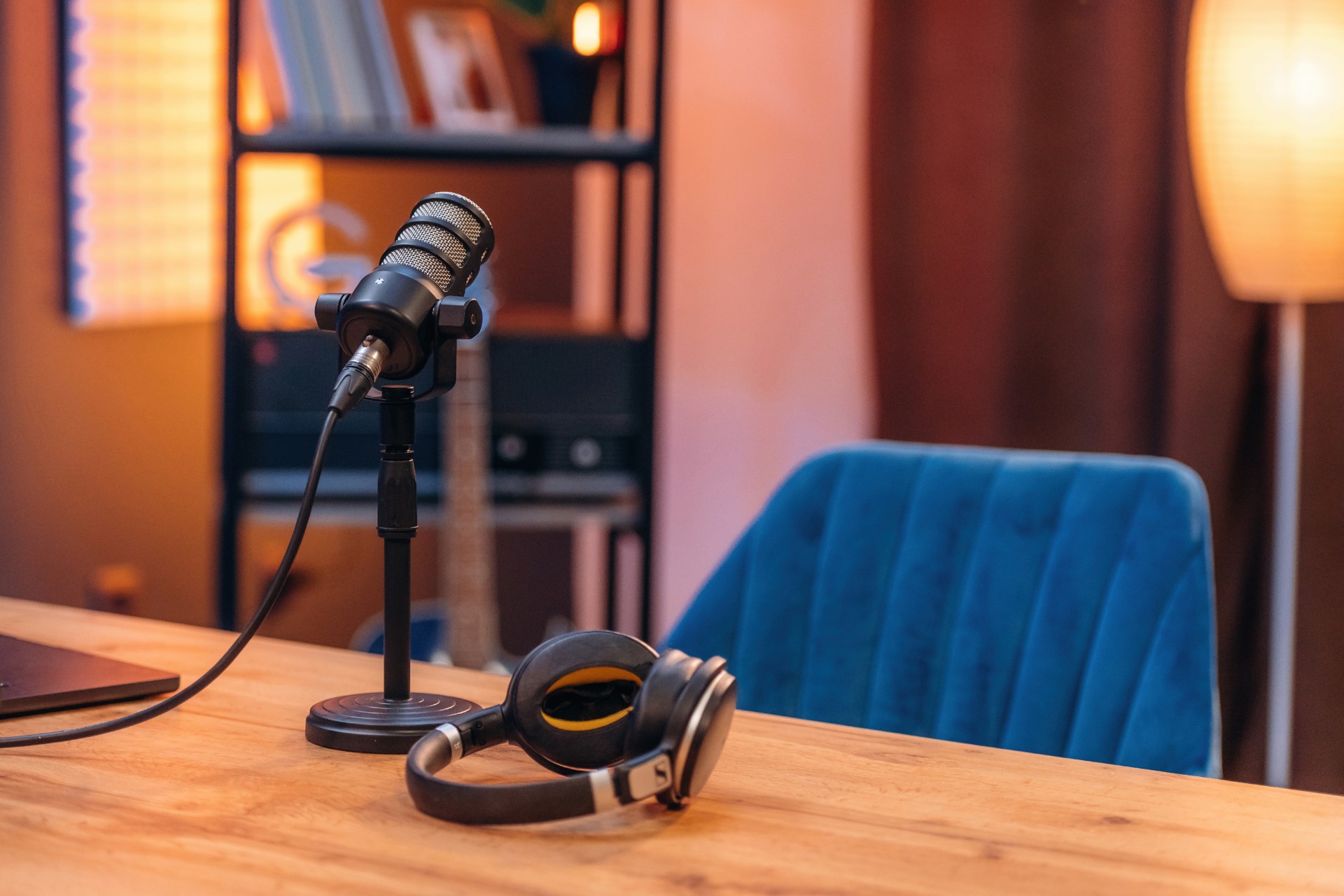
The first professional podcast recording session is a milestone that most serious podcast creators look forward to for good reason. It represents the transition from producing content in whatever space and with whatever equipment happens to be available, to producing it in an environment specifically designed for the quality that the content deserves.
But arriving at a professional studio without adequate preparation is one of the most common ways that the quality potential of the professional recording environment goes unrealized. The studio provides the acoustic treatment, the broadcast-grade equipment, the professional lighting, and the technical expertise. The preparation that maximizes the value of all of those resources is the responsibility of the host.
Preparation for a professional podcast recording session operates on two levels. The practical level covers the logistics, the equipment considerations, the scheduling, and the physical preparation that determines whether the session runs smoothly from the first moment. The creative level covers the content preparation, the episode planning, and the guest preparation that determines whether the time in the studio produces the substantive, engaging conversation that professional recording conditions make possible.
This guide covers both levels comprehensively, giving first-time studio visitors everything they need to arrive confident, prepared, and ready to make the most of every minute of their professional recording session.
Understanding What the Studio Provides and What You Need to Bring
The first preparatory step is understanding precisely what the studio provides and what remains the responsibility of the host and guests. Different studios have different provisions, and assuming the studio provides something that is actually the host's responsibility creates problems that could have been avoided with a single clarifying communication before the session.
Confirming the Technical Setup
Before the session, contact the studio to confirm the complete technical setup for the specific session requirements. The confirmation should cover the number of participants being recorded and whether each will have their own dedicated microphone, whether the session is audio only or includes video recording, the number of cameras and the angles available for multi-camera setups, the format in which raw files will be delivered after the session, and whether the studio provides headphones for all participants or whether participants should bring their own.
It should also cover any specific technical requirements the host has: whether a specific microphone type is preferred, whether the host needs an HDMI or other connection to display slides or reference material during the recording, and whether the studio's monitoring system allows the host to hear the audio in real time through headphones during recording.
Getting clear answers to all of these questions before the session means there are no surprises on the day that require improvised solutions during booked studio time.
What to Bring to the Studio
Even when the studio provides the primary recording equipment, hosts should bring several items that support a smooth session. A printed or digital copy of the episode outline or question list that can be referenced without screen glare or technical dependency on a specific device. A bottle of water for each participant, placed within reach before recording begins to avoid throat-clearing and dry-voice problems during the recording. Any specific reference materials, documents, or media that will be referenced during the conversation.
For video podcast sessions, hosts and guests should also consider their appearance on camera. Professional studio lighting is designed to be flattering, but certain wardrobe choices work against the lighting setup. Bright white clothing creates exposure challenges that cause the camera to underexpose the face. Fine patterns including thin stripes create moiré interference patterns in the recorded image. Green clothing is problematic if the studio uses a green screen background. Solid colors in mid-tones generally photograph best in professional lighting conditions.
Content Preparation: The Most Important Pre-Session Investment
The most valuable preparation for a professional podcast recording session is content preparation: arriving at the studio with a thoroughly planned episode that uses every minute of the recording time productively rather than discovering what the episode is about during the recording itself.
Defining the Episode's Central Idea Before Arriving
The most common cause of podcast episodes that meander, lose focus, and run significantly longer than necessary is the absence of a single, clearly defined central idea before recording begins. When the central idea is defined in advance, every part of the conversation has a clear direction to move toward. When it is not, the conversation can cover interesting ground without building toward a coherent destination.
The central idea is the one specific insight, argument, or perspective that the episode exists to communicate. For an interview episode, it is the specific lens through which the guest's expertise will be explored. For a solo commentary episode, it is the specific claim that the episode will develop and substantiate.
Defining the central idea before arriving at the studio does not mean scripting the conversation or preventing it from developing in unexpected directions. It means having a clear point of departure and a clear destination that allows the host to navigate toward genuine depth rather than covering a broad range of loosely related topics.
Preparing Questions That Go Beyond the Surface
For interview episodes, question preparation is the most direct determinant of the conversation's quality. Questions that the guest has been asked many times before produce the polished, reliable answers that the guest can deliver without genuine thought. Questions that require the guest to think in new ways produce the genuine reflection and sometimes unexpected insights that make conversations genuinely memorable.
Developing these deeper questions requires research that goes beyond the guest's most recent book or their most prominent recent media appearances. Reading their older work alongside their newer work reveals the development of their thinking over time. Identifying the specific points where their perspective differs from the conventional wisdom in their field opens questions about why they see things differently. Finding the specific connections between their expertise and the particular challenges of the show's target audience opens questions that are specifically relevant to the listener's experience rather than generically interesting.
At least one third of the questions prepared for any interview should be questions that the host genuinely does not know the answer to, that require the guest to engage with something specific rather than retrieve a prepared response, and that have the potential to produce a response the guest has not given in any previous interview.
For podcast creators in Mumbai preparing for their first professional recording session, Fox Talkx Studio provides guidance and support to help hosts prepare for their sessions alongside offering a fully professional recording environment. Explore what a professional recording session looks like at https://www.foxtalkxstudio.com/services/podcast-studio-setup-in-mumbai.
Creating a Flexible Episode Structure
The episode structure for a professional recording session should be thorough enough to provide clear direction throughout the conversation but flexible enough to allow the natural development of ideas rather than forcing the conversation to follow a rigid sequence regardless of where the discussion is leading.
A useful structure for an interview episode includes a brief opening section that establishes the guest's relevance to the episode's central idea, two to three main content sections that each develop a specific dimension of the central idea through the guest's expertise, and a closing section that synthesizes the key insights and provides the listener with a specific application or takeaway.
This structure is an orientation framework rather than a script. The host arrives at the studio knowing the destination of each section and the key questions that should move the conversation toward that destination, while remaining genuinely open to following the conversation where it leads when it develops in unexpectedly valuable directions.
A structure that is too rigid prevents the spontaneous moments that make conversations genuinely engaging. A structure that is too loose produces conversations that cover interesting territory without arriving anywhere in particular. The balance between structure and flexibility is one of the core skills of professional podcast hosting and is best developed through deliberate preparation rather than improvisation.
Preparing the Guest: Setting Them Up for Their Best Performance
For interview format shows, the quality of the finished recording depends significantly on the quality of the guest's performance, and the quality of the guest's performance depends significantly on how well-prepared they feel before the session begins.
Pre-Session Guest Communication
Guests who arrive at their first professional podcast studio recording without knowing what to expect are navigating an unfamiliar environment during the session rather than focusing on the conversation. A brief, practical pre-session communication that addresses their specific questions and concerns removes this distraction and allows them to arrive focused on the content.
The pre-session guest communication should include practical information about getting to the studio including address, parking or public transport options, and how to access the building. It should describe what the studio environment looks like, what the technical setup involves including that they will be wearing a microphone and headphones, and approximately how long the session will take.
It should also include guidance on wardrobe for video recording, a brief description of the episode's central topic and the general direction of the questions, and an explicit invitation to contact the host or the studio with any questions or concerns before the session.
This communication serves both a practical purpose of reducing logistical friction and a relational purpose of communicating that the host values the guest's time and comfort enough to prepare them thoroughly for the experience.
Sharing Questions in Advance: The Pros and Cons
The decision of whether to share interview questions with a guest in advance of the recording session is one that different podcast hosts approach differently based on their specific show's style and priorities.
Sharing questions in advance gives guests the opportunity to prepare specific, detailed responses that contain the exact information they want to communicate. For episodes focused on technical or data-heavy content where accuracy and specificity are more important than spontaneity, pre-shared questions produce better content.
Not sharing questions in advance preserves the genuine spontaneity and occasionally surprising responses that make conversations feel alive rather than rehearsed. For episodes focused on the guest's personal perspective, experience, or analytical thinking, unscripted responses often reveal more genuinely interesting insights than prepared ones.
A middle approach that shares the episode's general topics and the central idea without sharing the specific questions gives the guest enough orientation to arrive prepared and confident while preserving the spontaneity that makes responses feel genuine rather than rehearsed.
Physical and Mental Preparation: Arriving at Your Best
The quality of a podcast recording depends not only on the preparation of the content but on the physical and mental state of the participants during the recording. Professional recording conditions amplify both the best and the worst of a participant's performance, making the physical and mental preparation for the session as important as the content preparation.
Physical Preparation on the Day of Recording
On the day of the recording session, several physical preparation decisions directly affect the quality of the voice recording. Adequate sleep the night before the session is the single most impactful physical preparation: a rested voice has better resonance, better control, and greater stamina than a fatigued voice, and fatigue shows in the vocal quality in ways that post-production processing cannot fully address.
Avoiding foods and drinks that affect voice quality in the hours before the session reduces the likelihood of vocal problems during recording. Dairy products can increase mucus production that causes throat-clearing during recording. Carbonated drinks create air in the digestive system that produces audible sounds captured by sensitive studio microphones. Coffee and alcohol both dehydrate the vocal cords. Warm water or herbal tea consumed in the hours before a recording session is the most voice-friendly hydration option.
Arriving at the studio with sufficient time before the session begins, rather than rushing in at the last moment, allows a brief settling period where the participants can become familiar with the environment, review their notes, and arrive at a calm, focused state before the microphone is turned on.
Mental Preparation for Being On Microphone
The transition from preparing for a podcast recording to actually being recorded can create a performance anxiety that affects the naturalness and quality of the delivery. Professional studio environments can intensify this anxiety for some participants because the visible quality of the equipment and the professional setup heighten awareness of the recording's importance.
The most effective mental preparation for being on microphone is focusing on the conversation rather than the recording. The microphone and the studio equipment are infrastructure, not the subject. The subject is the conversation with the guest and the insights being shared with the listeners. Arriving with the central idea clearly in mind and genuine curiosity about where the conversation will go creates the conversational focus that produces natural, engaging delivery rather than the stiff, self-conscious delivery that microphone anxiety creates.
A brief vocal warm-up before the session begins, simply speaking at a normal conversational volume for a few minutes while reviewing notes or chatting with the guest, brings the voice to operating temperature and reduces the vocal stiffness that can make the opening minutes of a recording sound less natural than the rest.
During the Recording Session: Making the Most of Studio Time
Once the session begins, several specific practices maximize the quality of what is captured during the recording.
The Opening Minutes Are the Most Important
The opening minutes of a recording session set the energy and tone for the entire session. A host who begins with energy, genuine curiosity, and clear direction in their first question or statement creates the conditions for an episode that maintains that energy throughout. A host who begins tentatively, who opens with extended scene-setting or lengthy introductions, often finds that the session never fully recovers the energy that a stronger opening would have established.
Preparing a specific, energetic opening line that immediately establishes the episode's central focus and creates forward momentum into the conversation is one of the most impactful specific preparations a host can make. This opening line should be prepared in advance and delivered with the confidence that preparation creates.
Managing the Conversation Toward the Central Idea
During the recording, the host's primary editorial responsibility is managing the conversation toward the central idea of the episode without suppressing the natural development of interesting tangents that may be more valuable than the planned direction.
This requires the host to simultaneously follow the conversation with genuine engagement and maintain awareness of whether the conversation is developing toward the central idea or diverging from it. When it is diverging productively, follow it. When it is diverging unproductively, steer it back with a bridging question that acknowledges what has been discussed and redirects toward the central topic.
The skill of managing conversation direction without creating the impression of rigid scripting is developed through practice and is one of the most visible markers of an experienced podcast host.
Signaling Restarts Clearly
When a significant mistake, a false start, or a section that clearly needs to be restarted occurs during continuous recording, signaling it clearly and consistently makes the post-production editing process significantly easier. A brief verbal note such as "let me restart that" followed by a pause and then the restart creates a clear edit point that the editor can find easily in the audio waveform.
A sharp single handclap before the restart creates a visible spike in the audio waveform that makes the restart point immediately locatable during editing without requiring the editor to listen through the content to find where the restart begins. Some studios provide a clapper board for this purpose, but a handclap works equally well.
After the Recording Session: The Next Steps
The recording session ends when the red light goes off, but the work of producing the episode continues through the post-production process that follows.
Reviewing Raw Files Before Leaving
Before leaving the studio, confirm that all raw files have been successfully recorded and transferred. A brief review of the files to confirm they are playing back correctly, that the audio levels are as expected, and that all cameras captured the full session prevents the discovery of a recording problem after the studio session has ended and cannot be corrected.
Planning the Post-Production Timeline
With the raw files in hand, planning the post-production timeline ensures that the episode moves from recording to publication on the intended schedule. The post-production timeline should account for editing, audio processing, color grading, graphics and captions, quality review, and export and upload to all distribution platforms.
For podcast creators who handle their own post-production, beginning the editing while the recording is fresh reduces the time required to navigate the content and make editorial decisions. For those who work with a post-production partner, delivering the raw files promptly after the session allows the post-production timeline to begin without delay.
For podcast creators in Mumbai who want a seamless experience from booking through recording to finished episode delivery, Fox Talkx Studio provides both professional recording facilities and comprehensive post-production services that take every recording from raw files to distribution-ready content. Discover the complete recording and post-production service at https://www.foxtalkxstudio.com/services/podcast-studio-setup-in-mumbai.
Key Takeaways
Preparing for a first professional podcast recording session requires attention to both the practical logistics and the creative content quality that determine whether the session produces the best possible recording.
Practical preparation includes confirming the complete technical setup with the studio, understanding what to bring, and making the wardrobe and physical preparations that support strong camera and audio performance. Content preparation includes defining the episode's central idea before arriving, developing questions that go beyond the surface for guest interviews, and creating a flexible episode structure that provides clear direction while allowing natural conversation development.
Guest preparation through thorough pre-session communication reduces their uncertainty and allows them to arrive focused on the conversation. Physical and mental preparation on the day of recording, including adequate rest, voice-friendly hydration, and sufficient arrival time, ensures both participants arrive at their best.
During the session, a strong opening, active conversation management toward the central idea, and clear signaling of restarts maximize the quality of what is captured. After the session, file verification and a clear post-production timeline ensure the recording moves promptly to the finished episode.
For podcast creators in Mumbai preparing for their first professional recording session, Fox Talkx Studio provides the professional environment, technical expertise, and complete production support that makes every recording session as productive and as high-quality as possible. Visit https://www.foxtalkxstudio.com/services/podcast-studio-setup-in-mumbai to explore the studio facilities and book your first professional recording session.