
How to Record a Podcast When You Have a Noisy Environment
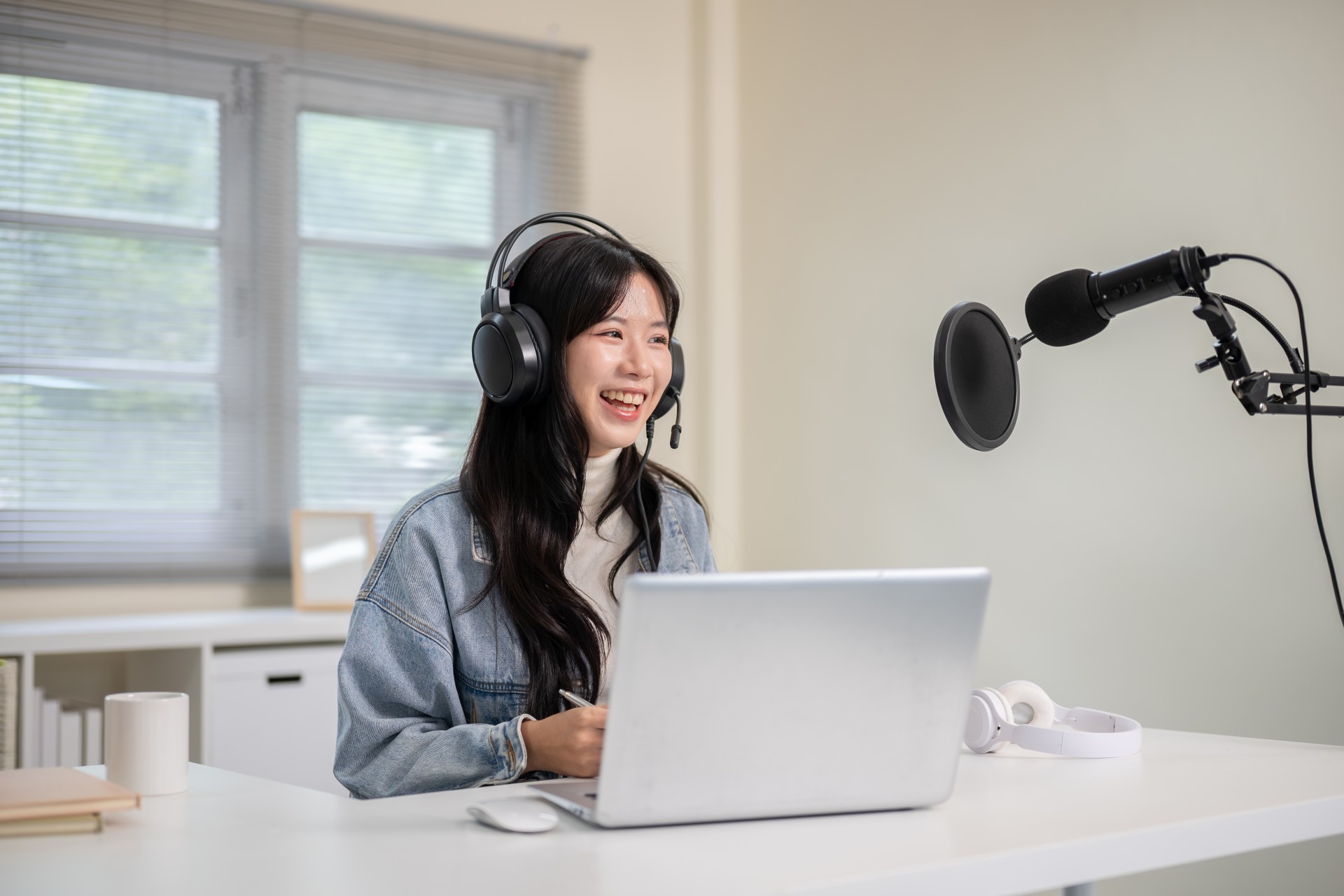
Mumbai is one of the loudest cities in the world. Traffic from arterial roads, construction activity that runs through most of the day, building HVAC systems, neighbors through shared walls, street vendors, and the general ambient energy of one of the world's most densely populated urban environments create a recording challenge that podcast creators in quieter cities simply do not face at the same intensity.
For creators in Mumbai, the question of how to record clean podcast audio is not a theoretical production concern. It is an immediate, practical problem that every recording session must navigate. The challenge is compounded by the reality of Mumbai apartment living: most creators do not have access to a dedicated room they can seal off from ambient noise, cannot install permanent acoustic treatment in rented apartments, and cannot simply find a quiet corner of their home because quiet corners in Mumbai apartments are genuinely rare.
The honest answer to recording in a Mumbai noise environment is that home recording has a ceiling. There are practical steps that meaningfully improve the quality of home recordings, but there is a level of ambient noise that no home recording technique can fully overcome. Understanding this ceiling clearly, and knowing when professional studio recording is the more practical solution rather than the more expensive one, is as important as understanding the home recording improvement techniques themselves.
This guide covers both: the practical steps that improve home recording quality in noisy environments, and the honest assessment of where professional studio recording becomes the more commercially sensible choice.
Understanding the Noise Problem in a Mumbai Context
The Specific Noise Challenges of Mumbai Apartments
Mumbai apartments face a combination of noise sources that make them particularly challenging recording environments. External noise from traffic, construction, and street activity enters through windows and walls at levels that vary through the day but rarely drop below a commercially significant floor even at night in most Mumbai neighborhoods.
Internal building noise from neighboring apartments, shared corridors, elevators, and building mechanical systems adds a further layer of noise that is largely outside the creator's control regardless of how carefully the apartment itself is managed. And domestic activity noise from within the apartment, including kitchen activity, family members, and domestic workers, creates intermittent noise that cannot be predicted or systematically avoided.
The specific combination of continuous external noise and intermittent internal noise makes Mumbai apartments among the most challenging home recording environments of any major Indian city, and any honest assessment of recording quality improvement techniques must account for this specific combination.
The Two Types of Noise and Why They Matter
Environmental noise that affects podcast recordings falls into two categories that require different solutions. Continuous noise is the consistent background sound that persists throughout the recording: traffic hum, HVAC systems, and the general ambient urban noise floor. This type of noise is more manageable through post-production processing because its consistent character allows noise reduction tools to identify and subtract it from the voice signal.
Intermittent noise is the unpredictable, variable sound that appears without warning: a horn outside, a door slamming in the corridor, sudden construction, or a neighbor's television. This type of noise is significantly harder to address because its unpredictable timing makes it impossible to avoid systematically and its variable character makes post-production processing far less effective.
Most Mumbai recording environments contain significant amounts of both types, which is why even the best home recording technique produces results below what a professionally treated recording environment delivers.
The Practical Steps That Improve Home Recording Quality
Timing the Recording Session
The most immediately impactful no-cost improvement available to Mumbai creators is recording at the times of day when ambient noise is at its lowest. In most Mumbai neighborhoods, the window between five thirty and seven thirty in the morning, before traffic and construction activity reach their daily peak, provides a meaningfully lower noise floor than any other time of day.
This early morning window is not convenient for every creator, but for those whose schedule allows it, the ambient noise difference between recording at six in the morning versus noon is commercially significant. Evening sessions after ten or eleven at night also provide a lower noise floor than daytime sessions in most areas, though the improvement is less dramatic than the pre-dawn window.
Creating a Temporary Soft-Furnishing Recording Corner
Rather than recommending specific room types that may not exist in a Mumbai apartment, the practical approach is creating a temporary recording corner using whatever soft furnishings are available in the existing space.
Positioning the recording setup in a corner of a room where two walls meet, then surrounding that corner with whatever soft, dense materials are accessible, such as stacked bedding, heavy cushions placed against the walls beside the microphone, and a mattress leaned against the wall behind the recording position, creates a partial acoustic enclosure that reduces early reflections from the surfaces immediately surrounding the microphone.
This setup does not need to be permanent. Assembling it before a recording session and returning the furnishings to their normal positions afterward makes it practical even in small apartments where permanently dedicating a corner to recording is not possible.
Microphone Selection for Noisy Environments
The microphone selection decision has a more significant impact on recording quality in noisy environments than in quiet ones, because different microphone types have fundamentally different sensitivity to ambient noise.
Dynamic microphones are significantly less sensitive to background noise than condenser microphones. A dynamic microphone requires sound waves to physically move its diaphragm, which means that distant ambient noise at relatively low sound pressure levels has minimal impact on the recording while the speaker's voice at close range is captured at full sensitivity.
For Mumbai creators recording in noisy environments, broadcast dynamic microphones provide the best practical balance of voice quality and ambient noise rejection. Models including the Shure SM7B, the Electro-Voice RE20, and more accessible options from Rode and Audio-Technica in the same dynamic category provide meaningful noise rejection advantages over the condenser microphones that many home recording guides recommend.
Close Microphone Placement
The single most impactful technique decision for recording in a noisy environment is microphone placement: positioning the microphone between ten and twenty centimeters from the speaker's mouth rather than at the more comfortable distances that some recording setups use.
Close placement maximizes the ratio of voice signal to ambient noise because the speaker's voice level drops significantly with distance while ambient noise arrives at relatively consistent levels from all directions. A microphone ten centimeters from the speaker's mouth captures a significantly better voice-to-noise ratio than one positioned fifty centimeters away, even in identical acoustic environments.
For podcast creators in Mumbai who want to eliminate the noisy environment problem entirely rather than manage it, Fox Talkx Studio's professionally acoustically treated recording studio provides a purpose-built environment where ambient noise is not a variable to be managed but a problem that has already been solved at the construction level.
Recording During Building Quiet Periods
Most Mumbai apartment buildings have periods of lower internal noise activity that can be identified through observation and used strategically for recording sessions. Midmorning on weekdays after residents have left for work and before domestic activity in neighboring apartments peaks is often a quieter internal noise window than evenings or weekends. Identifying the specific quiet patterns of a specific building through observation over several days allows creators to schedule recording sessions during the lowest-noise windows within their building's typical activity pattern.
Acoustic Treatment That Works in Mumbai Apartments
Portable Acoustic Panels
For creators who want meaningful acoustic treatment without permanent installation that would be inappropriate in a rented apartment, portable acoustic panels that can be positioned around the recording setup during sessions and stored flat against a wall afterward provide the most practical improvement.
A single large acoustic panel positioned directly behind the microphone absorbs the early reflections from the wall the microphone faces, which are the most significant acoustic contribution to the recording's room character. Two additional panels positioned at the sides of the recording position provide meaningful additional improvement without requiring permanent installation.
Portable acoustic panels from manufacturers including Vicoustic, GIK Acoustics, and more accessible Indian options available through Amazon India and similar platforms provide commercially meaningful acoustic improvement at investment levels that are accessible to most serious podcast creators.
Acoustic Foam on Temporary Surfaces
For creators who cannot invest in standalone acoustic panels, acoustic foam tiles applied temporarily to removable backing boards, such as foam board or thin plywood sheets, create portable acoustic treatment that can be positioned for recording sessions without permanent wall attachment.
The acoustic foam tiles should be positioned on the surfaces most immediately surrounding the recording position: the wall directly behind the microphone, the table surface beneath the microphone, and the wall or surface the speaker faces while recording. These four surfaces are responsible for the majority of the early reflections that color the recording's acoustic character.
Post-Production Processing for Noise Reduction
AI-Powered Noise Reduction Tools
The post-production processing options for addressing environmental noise have improved significantly with AI-powered tools now providing noise reduction quality that was previously achievable only through expensive professional software.
Adobe Podcast Enhanced Speech, available as a free web-based tool, applies AI-powered noise reduction that produces significant improvement in recordings with continuous background noise while preserving natural voice quality better than traditional noise reduction processing. For Mumbai creators whose home recordings have a consistent traffic or HVAC noise floor, this tool provides the most accessible and most effective post-production noise reduction currently available.
iZotope RX provides more sophisticated noise reduction for creators whose recordings consistently require post-production restoration. Its Dialogue Isolation module separates speech from background noise with a precision that is particularly effective for the continuous urban ambient noise that characterizes most Mumbai home recordings.
The Honest Ceiling of Post-Production Noise Reduction
Post-production noise reduction works effectively for continuous background noise at moderate levels. It does not work effectively for intermittent loud noise events that overlap with speech, for noise that is comparable in frequency to the speaker's voice, or for noise so loud relative to the voice that the two cannot be reliably separated.
Mumbai's intermittent noise events, the horn that sounds at the most inconvenient moment, the sudden burst of drilling from a floor above, or the truck reversing outside with its continuous beeping, are exactly the type of noise that post-production processing cannot adequately address. These events require either re-recording the affected section or accepting the noise in the published episode.
When Professional Studio Recording Is the More Practical Choice
The True Cost of Managing a Noisy Home Recording Environment
Managing a noisy home recording environment has a real cost that is frequently underestimated: the time investment in setup and breakdown of temporary acoustic arrangements, the scheduling constraint of recording only during specific low-noise windows, the post-production time required for noise reduction processing, and the quality ceiling that remains below professional studio standards regardless of the investment in home recording improvement.
When these costs are honestly assessed, professional studio recording often represents not just a quality improvement but a practical efficiency improvement for creators who are investing significant effort in managing a challenging home recording environment with results that still fall short of professional standards.
The Quality Floor That Home Recording Cannot Cross
There is a level of ambient noise in many Mumbai home environments that no practical home recording technique can adequately address. A home next to a main road, in a building with significant internal noise, or in a neighborhood with heavy construction activity, may simply not be capable of producing recordings that meet professional quality standards through any home recording approach.
For creators in these environments, Fox Talkx Studio provides the practical solution that home recording improvement techniques cannot: a professionally designed and acoustically treated recording environment in Mumbai where every session produces broadcast-quality audio regardless of what is happening outside the studio walls.
The studio's professional podcast recording facilities eliminate every noise variable that Mumbai's urban environment creates, allowing creators to focus entirely on the content of their episodes rather than on managing the technical challenges of their recording environment.
Key Takeaways
Recording a podcast in a noisy Mumbai environment requires a realistic understanding of both what is achievable through home recording improvement and where the ceiling of home recording quality lies regardless of technique investment.
The practical home recording improvements with the most impact are timing recording sessions for the lowest-noise periods of the day, selecting dynamic microphones over condenser microphones for their superior ambient noise rejection, using close microphone placement of ten to twenty centimeters to maximize the voice-to-noise ratio, creating temporary acoustic treatment from available soft furnishings and portable acoustic panels, and applying AI-powered post-production noise reduction for the continuous background noise that recording technique cannot eliminate.
The honest ceiling of these improvements is that they meaningfully raise the quality floor of home recordings in noisy environments without reaching the quality standard that a professionally acoustically treated studio environment provides. Intermittent noise events, the specific challenge that Mumbai's urban environment creates most intensively, cannot be reliably addressed through any home recording technique or post-production processing approach.
For Mumbai podcast creators whose home recording environment consistently produces results below the professional quality standard their content deserves, Fox Talkx Studio's professional recording facilities provide the practical solution that makes every session productive regardless of what Mumbai's streets are doing outside.