
How to Set Up Lighting for a Video Podcast on a Budget
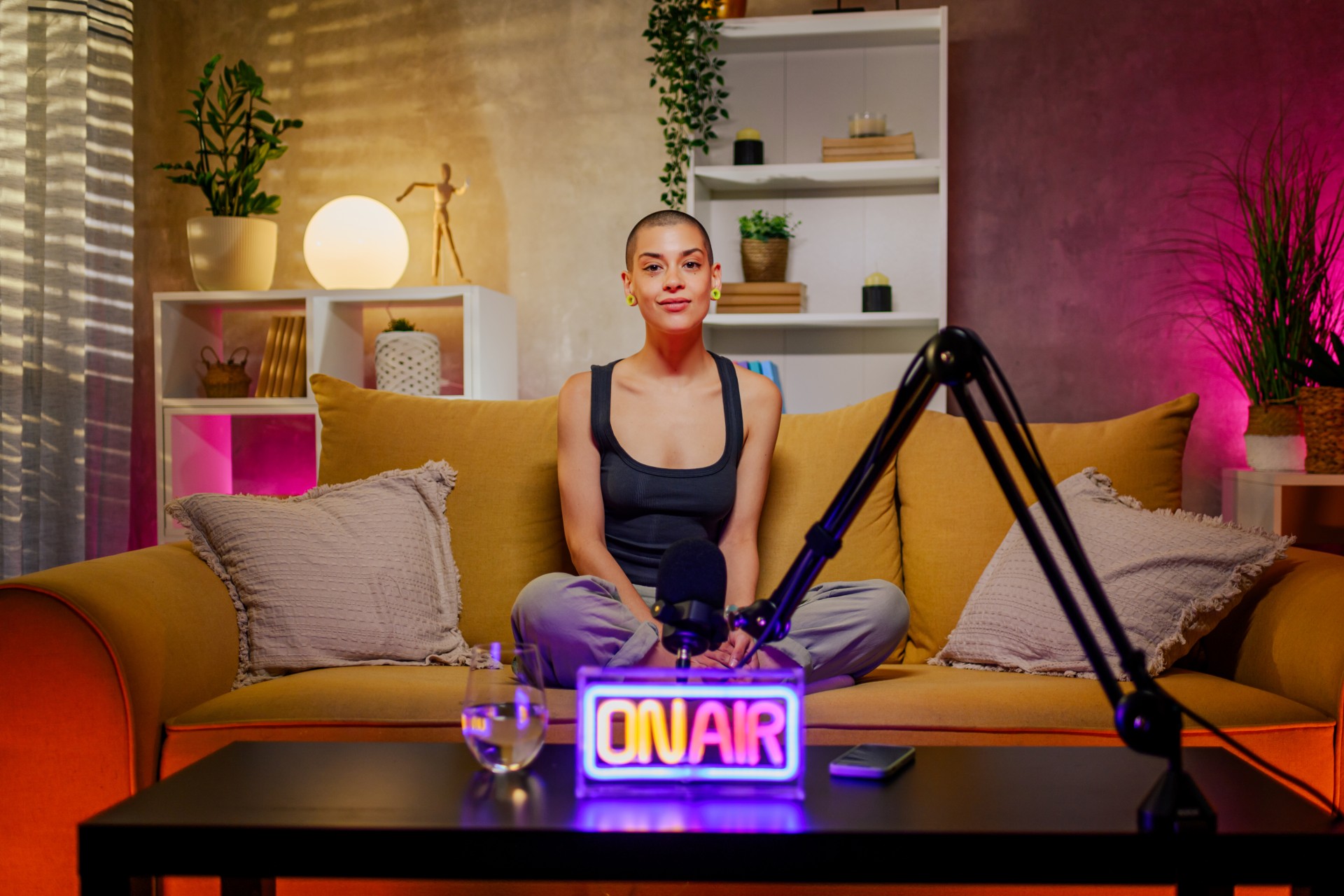
Of all the production variables that determine how professional a video podcast looks, lighting has the highest impact-to-investment ratio. A presenter recorded on a modest camera with professional lighting consistently looks better than the same presenter recorded on an expensive camera with poor lighting, because lighting determines the quality of the visual information the camera captures rather than simply the resolution at which it captures it.
Poor lighting creates specific, immediately recognizable visual problems: harsh shadows under the eyes and chin that create an unflattering impression, inconsistent exposure that varies across the recording as natural light changes, flat and dimensionless illumination that makes the presenter look unengaging on screen, and color temperature inconsistency that produces unnatural skin tones. These problems are visible to every viewer even when they cannot specifically identify lighting as the cause, and they communicate a quality signal about the show's production standards that affects the viewer's assessment of the content's credibility.
The good news is that professional-looking video podcast lighting does not require a professional lighting budget. The specific lighting improvements that create the most significant visual quality improvement are achievable with modest, accessible equipment combined with the right knowledge of what that equipment is doing and why specific configurations produce better results than others.
This guide covers the practical framework for setting up professional-looking video podcast lighting on a budget: the fundamental lighting principles that determine what good lighting actually looks like, the specific equipment that provides the most significant visual improvement at the lowest investment, the configuration decisions that produce flattering, consistent illumination, and the common mistakes that budget lighting setups frequently make and how to avoid them.
The Fundamental Principles of Video Podcast Lighting
Why Lighting Quality Matters More Than Lighting Quantity
The most common misconception about video podcast lighting is that the goal is to make the recording space as bright as possible. Brightness is not the objective. The objective is the quality, direction, and color accuracy of the light that illuminates the presenter, all of which are entirely independent of the total amount of light in the space.
A bright, harshly lit presenter looks worse than a moderately lit presenter whose illumination is soft, directional, and color-accurate, because the quality of the light determines how flattering and how natural the presenter appears on camera, while the quantity of the light determines only whether the camera can expose the image correctly.
Professional lighting for video podcasting creates three specific qualities in the illumination. It is soft rather than hard, meaning the light source is large relative to the subject so that the shadows it creates are gradual and gentle rather than sharp and harsh. It is directional rather than flat, meaning the light comes from a specific direction that creates three-dimensional modeling of the presenter's face rather than flat, dimensionless illumination from all directions simultaneously. And it is color-accurate, measured by the Color Rendering Index, meaning it renders the presenter's skin tones and clothing colors naturally rather than with the greenish or orange cast that poor-quality light sources create.
The Three-Point Lighting Foundation
The three-point lighting configuration is the standard foundation for professional video presenter lighting because it creates the combination of three-dimensional facial modeling, shadow control, and subject-background separation that makes presenters look their best on camera.
The key light is the primary light source that creates the main illumination on the presenter's face. It is positioned to the side of the camera rather than directly behind it, typically at a forty-five degree horizontal angle and slightly above eye level, which creates the directional light that produces three-dimensional facial modeling rather than the flat illumination of a light positioned directly on the camera axis.
The fill light is positioned on the opposite side of the camera from the key light, at a lower intensity than the key light, to reduce the depth of the shadows that the key light creates on the less-illuminated side of the presenter's face. Without the fill light, the key light creates shadows that are too deep for comfortable viewing in a conversational podcast format. With the fill light, the shadows are present but gentle, maintaining the three-dimensional modeling of the key light while reducing its harshness.
The back light, sometimes called the hair light or rim light, is positioned behind and above the presenter, aimed at the back of their head and shoulders. It creates a visible rim of light separation between the presenter and the background, which prevents the presenter from appearing to merge visually with the background and creates the depth cue that distinguishes professional video from flat, two-dimensional-looking recordings.
The Budget Lighting Equipment That Works
LED Panel Lights as the Primary Investment
LED panel lights are the most practical and most cost-effective primary lighting investment for budget video podcast lighting because they combine the key qualities that video podcast lighting requires: adjustable color temperature that allows precise matching to the ambient light of the recording environment, high color rendering index ratings that produce accurate skin tone reproduction, soft diffused output when used with appropriate modifiers, and low heat output that makes extended recording sessions comfortable.
Entry-level LED panel lights from manufacturers including Elgato, Godox, Neewer, and Nanlite are available at price points that make a two-light setup, sufficient for a basic key and fill configuration, accessible without a significant equipment budget. The specific models worth considering at different investment levels include the Elgato Key Light as an accessible option with a well-designed mounting system and a companion application for remote brightness and color temperature adjustment, and the Godox SL60W and similar panel lights from the same manufacturer that provide higher output at a comparable price point.
The single most important specification to check when selecting an LED panel light for video podcast use is the Color Rendering Index rating. A CRI rating of ninety-five or above produces skin tone accuracy that is genuinely good. A CRI rating below ninety produces skin tone rendering that is noticeably less accurate and that requires significant color correction in post-production to address.
Softboxes and Diffusion for Light Quality Improvement
A bare LED panel creates harder, less flattering light than the same panel fitted with a softbox or diffusion panel that increases the effective size of the light source. Adding a softbox or diffusion modifier to a budget LED panel is the single highest-impact quality improvement available for budget podcast lighting, because it transforms the quality of the light from adequately bright to genuinely flattering without requiring a more expensive light source.
Affordable softbox kits that include a light stand, a softbox modifier, and a basic LED or fluorescent light source are available at low price points that make them accessible as first lighting investments. The specific quality benefit of the softbox is the larger, softer light source it creates: a softbox effectively turns a small, hard light source into a large, soft one, producing the gentle shadow transitions that make presenter lighting look professional rather than harsh.
For podcast creators in Mumbai who want professional studio lighting without any equipment investment, Fox Talkx Studio's podcast recording facilities provide purpose-designed professional lighting infrastructure that is included in every recording session, delivering the flattering, consistent illumination that budget home lighting setups approximate but cannot fully replicate.
Ring Lights: The Accessible Starting Point With Limitations
Ring lights are the most commonly purchased first lighting investment for video creators because of their accessibility, their easy setup, and the specific catchlight pattern they create in the presenter's eyes. For very close camera-to-subject distances in a compact recording setup, a ring light can provide adequate and even pleasant illumination.
The specific limitation of ring lights for video podcast use is the flat, directionless quality of the illumination they produce. Because the light source surrounds the camera lens in a ring pattern, the light reaches the subject from all directions simultaneously rather than from a specific directional angle, which eliminates the three-dimensional facial modeling that directional lighting creates. The result is flatly illuminated faces that lack the depth and dimension that the three-point lighting configuration produces.
A ring light is a reasonable starting point for a presenter who is beginning to experiment with video podcast production, but it should be understood as a stepping stone toward a more complete lighting setup rather than as a permanent solution for shows whose visual quality is commercially important.
The Configuration Decisions That Matter
Position and Distance of the Key Light
The specific position and distance of the key light relative to the presenter determines the specific quality and character of the illumination it creates. Moving the key light closer to the presenter increases the light's effective softness because the source appears larger relative to the subject, producing softer shadows. Moving it further away decreases the softness and increases the hardness of the shadows it creates.
The recommended starting position for the key light in a budget podcast lighting setup is approximately one meter from the presenter at a forty-five degree horizontal angle and slightly above eye level. This position provides flattering directional illumination with soft enough shadows for comfortable viewing and sufficient intensity for a correct camera exposure at modest camera settings.
The height of the key light above eye level should be modest, approximately thirty degrees above the presenter's eye line rather than directly overhead. Overhead key lighting creates deep shadows in the eye sockets that are unflattering in any recording context. A key light positioned slightly above eye level creates natural-looking directional illumination that resembles the quality of good window light without the color temperature and consistency problems that natural light creates.
Managing Color Temperature Consistency
Color temperature consistency across all light sources in the recording setup is one of the most important and most frequently overlooked aspects of budget video podcast lighting. When different light sources in the recording space have different color temperatures, the camera's white balance system cannot correctly compensate for all of them simultaneously, resulting in areas of the frame that appear too warm and areas that appear too cool simultaneously.
The most common color temperature inconsistency problem in home recording setups is the mixing of the artificial lights used for video lighting with natural light entering through windows. Daylight has a color temperature of approximately five thousand five hundred to six thousand five hundred Kelvin. Most LED video lights offer adjustable color temperature between approximately three thousand and six thousand Kelvin. Matching the LED lights' color temperature to the natural light temperature in the space, or blocking the natural light entirely and setting the LED lights to a consistent artificial light temperature, eliminates the color temperature mixing that creates inconsistent skin tone rendering.
Background Lighting for Depth and Context
The background of the video frame is the visual context that communicates the recording environment and contributes to the overall visual impression of the show. A background that is too dark relative to the presenter creates a flat, poorly defined visual space. A background that is too bright relative to the presenter draws visual attention away from the presenter. And a background that is at roughly the same exposure as the presenter creates the balanced visual depth that makes the recording look professionally lit.
A simple background lighting approach that works within a budget setup is positioning a small lamp or a third LED light aimed at the background behind the presenter, which creates the background illumination that separates the recording space visually and adds the production depth that unlit backgrounds lack.
The Common Mistakes That Budget Lighting Setups Make
Relying on Natural Light as the Primary Source
Natural light from windows is inconsistent in color temperature throughout the day, inconsistent in intensity as cloud cover changes, and geometrically inconsistent as the sun's position relative to the window changes across the recording session. A recording begun in morning light will look visually different from the same recording an hour later when the light quality has changed, creating the visual inconsistency within and across episodes that professional lighting specifically prevents.
Using natural light as a supplement to a primary artificial lighting setup, rather than as the primary source, allows the consistency and controllability of the artificial light to anchor the recording's visual quality while the natural light contributes a pleasant ambient quality that complements rather than compromises the artificial lighting.
Positioning the Key Light Behind the Camera
Positioning the key light directly behind the camera, aimed at the presenter from the same axis as the camera lens, creates the flat, directionless illumination of on-camera flash photography that eliminates facial modeling and produces an unflattering two-dimensional look regardless of the quality of the light source. This mistake is particularly common in budget setups because the behind-camera position is the easiest placement to achieve without a dedicated light stand.
Moving the key light to the forty-five degree off-axis position described above immediately creates the directional quality that makes the difference between flat and dimensionally modeled facial illumination, regardless of the quality of the light source being used.
Ignoring the Background
Recording against an unlit, dark, or cluttered background is the most visually distracting background mistake in budget podcast setups because the background occupies a significant proportion of the video frame and communicates the recording environment's character to every viewer.
A clean, simply lit background that communicates a professional recording context costs nothing if the recording space already has appropriate background elements, and requires only a modest additional light source if background illumination is needed to make the background visible at an appropriate exposure level.
For podcast creators in Mumbai who want the professional lighting result without any of the setup decisions, equipment investment, or configuration experimentation that building a budget lighting setup requires, Fox Talkx Studio provides the professionally designed recording environment where every lighting decision has already been made and every recording session begins with the flattering, consistent illumination that makes every presenter look their best on camera.
Key Takeaways
Professional-looking video podcast lighting is achievable on a budget when the investment is directed toward the equipment and configuration decisions that have the highest impact on visual quality rather than toward the most expensive equipment available.
The fundamental principles that determine good lighting quality are softness, which produces gentle shadow transitions rather than harsh shadows; directionality, which creates three-dimensional facial modeling rather than flat illumination; and color accuracy, which produces natural skin tone rendering rather than color-casted results.
The three-point lighting configuration of key light, fill light, and back light provides the foundation for professional presenter lighting at any equipment budget level, creating the directional modeling, shadow control, and subject-background separation that makes video podcast presenters look professionally lit.
The specific equipment investments with the highest impact-to-cost ratio are LED panel lights with CRI ratings above ninety-five for accurate skin tone rendering, and softbox modifiers that increase the effective size of the light source to create softer, more flattering illumination.
The configuration decisions that most significantly affect lighting quality are the key light's forty-five degree off-axis horizontal position that creates directional modeling, the matching of all light sources' color temperature that prevents inconsistent skin tone rendering, and the background lighting that creates visual depth and professional environmental context.
The common mistakes to avoid are relying on natural light as a primary source, positioning the key light on the camera axis rather than at an off-axis angle, and ignoring the background as a visual element that communicates the recording environment's professional quality.
For podcast creators in Mumbai who want professional lighting without equipment investment or configuration decisions, Fox Talkx Studio's recording facilities and complete production services deliver professional illumination in a purpose-designed recording environment from every session.