
How to Start a Podcast in India in 2026: Full Guide
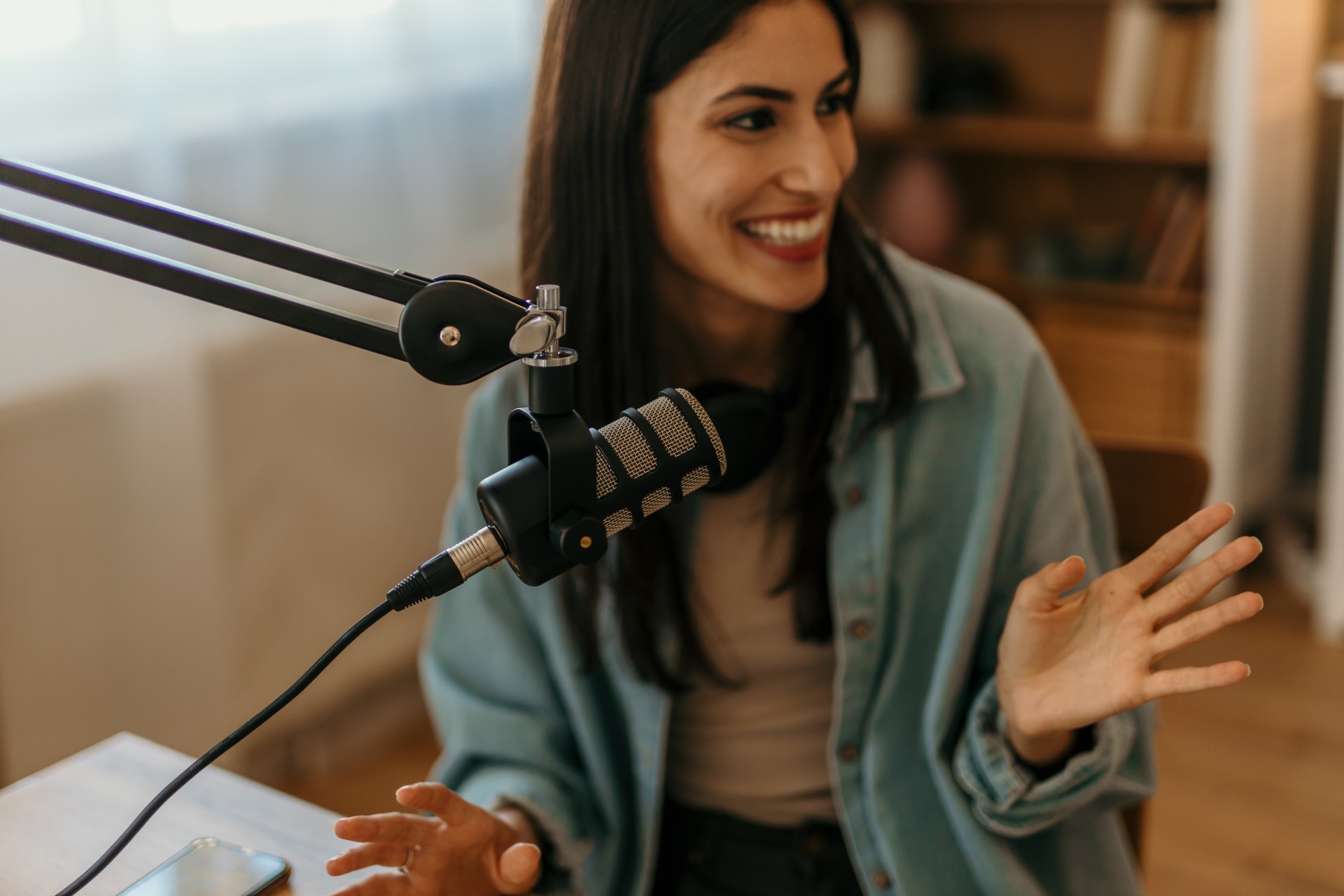
Podcasting in India is no longer a niche hobby. With over 200 million podcast listeners projected by 2026 and platforms like Spotify, JioSaavn, and Amazon Music aggressively investing in Indian audio content, there has never been a better time to launch your own show. Whether you are a business owner, a storyteller, a coach, or a subject-matter expert, podcasting gives you a direct line to your audience without the noise of social media algorithms.
But starting the right way matters. A poorly recorded pilot episode, a confusing format, or the wrong distribution strategy can kill your show before it finds its audience. This guide walks you through every step, from the initial idea to your first hundred listeners and beyond.
Why Podcasting in India Is a Massive Opportunity Right Now
India is the third-largest podcast market in the world by listenership, and it is still growing at a rapid pace. Regional language podcasts in Hindi, Tamil, Marathi, Bengali, and Telugu are seeing explosive growth alongside English-language shows. Advertisers are following the audience, with podcast ad spends in India crossing significant milestones year after year.
Unlike YouTube or Instagram, podcasting rewards depth and consistency over virality. Listeners who find a podcast they love tend to subscribe, binge older episodes, and recommend the show to friends. That kind of loyal, engaged audience is something most content creators on other platforms spend years chasing.
If you have been sitting on a podcast idea, 2026 is the year to act on it.
Step 1: Define Your Podcast Concept and Niche
Choosing a Topic That Has an Audience
The biggest mistake first-time podcasters make is being too broad. "A business podcast" or "a lifestyle show" is not a concept, it is a category. Your show needs a specific angle that makes it stand out.
Ask yourself:
- Who is your ideal listener, and what problem does your show solve for them?
- What can you talk about with genuine authority and enthusiasm for 50 to 100 episodes?
- Is there an underserved audience in this space, especially in an Indian context?
Some of the fastest-growing podcast niches in India right now include personal finance for millennials, mental health and wellness, startup and founder stories, regional culture and history, true crime, and career development for young professionals.
Deciding on a Format
Your format shapes everything, from your equipment needs to your production timeline. Common podcast formats include:
- Solo commentary: Just you, sharing insights, opinions, or lessons
- Interview-based: Conversations with guests who bring value to your audience
- Co-hosted: Two or more hosts with natural chemistry and complementary perspectives
- Narrative storytelling: Scripted, researched episodes with a documentary feel
- Panel discussions: Multiple voices debating or exploring a topic
Most beginners do well starting with either solo or interview formats since they require less scripting and are easier to produce consistently.
Setting Episode Length and Cadence
Listener habits in India skew toward episodes between 20 and 45 minutes for interview shows and 10 to 20 minutes for solo formats. Weekly or bi-weekly release schedules work well for building habit with your audience. Whatever cadence you choose, consistency matters more than frequency.
Step 2: Plan Your Podcast Brand
Creating a Memorable Podcast Name
Your podcast name should be easy to say, easy to spell, and searchable. Avoid overly clever wordplay that confuses people when they try to find you. Include a keyword related to your topic if it fits naturally, since this helps with discoverability on podcast platforms.
Writing a Compelling Show Description
Your show description is prime SEO real estate. On platforms like Spotify and Apple Podcasts, your description is indexed and searchable. Write a clear, keyword-rich paragraph that tells a potential listener exactly what the show is about, who it is for, and what they will get out of listening.
Designing Your Cover Art
Podcast cover art is your billboard on every platform. At a minimum, it needs to look sharp at 3000 x 3000 pixels, read clearly at thumbnail size, and communicate your brand at a glance. Investing in professional cover art is not optional if you want to be taken seriously. Platforms will reject images that do not meet their technical specifications.
Step 3: Get Your Equipment and Recording Setup Right
What Microphone Do You Actually Need?
You do not need to spend a fortune to sound professional, but you do need a decent microphone. The most common mistake Indian podcasters make is recording on phone earphones or laptop mics, then wondering why their show sounds amateur.
For beginners, a USB condenser microphone like the Audio-Technica AT2020USB or the Samson Q2U gives you a significant quality upgrade at a reasonable price point. If you plan to record with remote guests regularly, dynamic microphones like the Shure MV7 handle background noise better.
Acoustic Treatment on a Budget
Recording in an untreated room creates echo and reverb that is difficult to remove in post-production. You do not need a professional recording studio to fix this. Thick curtains, bookshelves lined with books, foam mattresses leaned against walls, or recording inside a wardrobe filled with clothes can dramatically improve your room's acoustics without spending anything extra.
That said, if you want your show to sound genuinely polished from episode one, recording in a professional studio is the smarter move. Fox Talkx Studio offers podcast recording services designed for creators at every stage, with acoustically treated spaces, professional equipment, and experienced production support. If you want to explore what a studio session looks like, check out the full range of services at https://www.foxtalkxstudio.com/services.
Recording Software
For software, Audacity is free and capable for solo recording. Adobe Audition and Hindenburg Journalist are popular paid options with more advanced editing features. For remote interviews, Riverside.fm and Squadcast record both video and high-quality audio locally on each participant's device, which gives you much cleaner raw files than a standard Zoom or Google Meet call.
Step 4: Record Your First Episodes
How Many Episodes Should You Launch With?
Most podcast industry advice recommends launching with three episodes on day one. This gives new listeners something to binge and signals that you are a serious creator, not a one-episode experiment. Record your first batch before you go live so you have a buffer in case life gets in the way of your production schedule.
Pre-Interview Preparation for Guest Shows
If you are running an interview-based podcast, preparation is what separates forgettable conversations from genuinely compelling ones. Research your guest thoroughly, listen to other interviews they have given, and come in with specific questions that go beyond the surface. Guests who feel that a host has done their homework open up more, and that energy translates to better audio.
Send your guests a quick tech check guide before recording so they know how to position their microphone, where to sit, and what to do about background noise on their end.
Recording Best Practices
- Record in 44.1 kHz, 16-bit WAV or higher for best quality
- Use a pop filter to reduce plosive sounds on 'p' and 'b' sounds
- Wear headphones while recording to catch issues in real time
- Record a 30-second room tone at the start of every session for editing purposes
- Do a short sound check before every episode to catch gain and equipment issues early
Step 5: Edit and Produce Your Episodes
Basic Editing vs. Full Production
There is a difference between basic editing (cutting out mistakes, long pauses, and filler words) and full production (music beds, sound design, intro/outro creation, audio leveling, and mastering). Both matter, and how much of each you do depends on your format and brand.
For a polished show, your audio should be normalized to around -16 LUFS for stereo files, with consistent levels throughout the episode. Background noise should be cleaned up, and the overall mix should sound good on both earphones and speaker systems.
If you find audio editing to be a steep learning curve or a significant time drain, outsourcing it is a smart business decision. Fox Talkx Studio provides end-to-end podcast production services that handle everything from raw recordings to publish-ready files. You focus on the conversations; the team handles everything else. Take a look at what is available at https://www.foxtalkxstudio.com/services.
Creating Your Intro and Outro
Your intro should be short, punchy, and brand-consistent. Aim for 30 to 45 seconds maximum. It should tell a listener exactly what show they are listening to and set the tone for the episode. Your outro is where you include your call to action, whether that is subscribing, leaving a review, visiting your website, or following you on social media.
License your music through royalty-free platforms like Artlist, Epidemic Sound, or Soundstripe. Using copyrighted music without a license will get your episodes pulled from platforms.
Step 6: Choose a Podcast Hosting Platform
Your audio files need to live somewhere on the internet before they can be distributed to Spotify, Apple Podcasts, or anywhere else. That is what a podcast hosting platform does. Popular options for Indian podcasters include:
- Buzzsprout: Beginner-friendly with good analytics and distribution tools
- Anchor (Spotify for Podcasters): Free, owned by Spotify, with direct Spotify distribution
- Podbean: Reliable, with monetization features built in
- Captivate: Great for growth-focused podcasters who want deeper analytics
- Transistor: Ideal if you plan to run multiple shows from one account
Your hosting platform generates your RSS feed, which is the technical backbone that pushes your episodes to every directory automatically. Choose a platform that gives you ownership of your RSS feed so you can switch hosts without losing your distribution history.
Step 7: Distribute Your Podcast Across All Major Platforms
Getting Listed on Spotify, Apple Podcasts, and More
Once your hosting platform is set up and your RSS feed is live, submit your podcast to:
- Spotify for Podcasters (formerly Anchor)
- Apple Podcasts
- Google Podcasts (now redirecting to YouTube Music)
- Amazon Music and Audible
- JioSaavn
- Gaana
- Pocket Casts
- iHeartRadio
Most of these submissions are free and take one to five business days for approval. Once approved, new episodes you upload to your host will automatically appear on all connected platforms within a few hours.
Do Not Skip Indian Platforms
JioSaavn and Gaana have massive user bases in India, particularly for Hindi and regional language content. If you are targeting Indian listeners, having your show on these platforms is not optional.
Step 8: Build a Launch Strategy
Creating Pre-Launch Buzz
Do not publish your first episode in silence. Spend two to four weeks before your launch date building anticipation. Some effective pre-launch tactics include:
- Announcing your show on your existing social media channels with a trailer episode
- Building a simple landing page or directing traffic to your website with show details
- Reaching out to potential guests early so you have a strong lineup ready
- Joining Indian podcasting communities on LinkedIn, Reddit, and WhatsApp to introduce yourself
Your Podcast Trailer
A well-crafted trailer of 60 to 90 seconds is your show's first impression. It should communicate who you are, what the show is about, and why someone should subscribe right now. Publish your trailer as an episode before your main launch so platforms index your show and new listeners have something to find.
Step 9: Grow Your Podcast Audience
SEO for Podcasts
Every episode you publish is a piece of content that can rank in search. Write detailed show notes for each episode that include your target keywords, a summary of what was discussed, timestamps for key moments, and links to anything mentioned in the episode. This is exactly the kind of content that gets indexed by Google and drives organic discovery.
Transcripts are even more powerful for SEO. Full episode transcripts make your content accessible and give search engines thousands of additional words to index per episode.
Leveraging Social Media Without Burning Out
You do not need to be on every platform. Pick one or two where your target audience spends time and show up there consistently. Short video clips of compelling moments from your episodes, audiograms created with tools like Headliner or Descript, and quote graphics are all formats that work well for podcast promotion.
Collaborating With Other Podcasters
Cross-promotion is one of the fastest ways to grow a podcast. Appear as a guest on shows that share your target audience, and invite those hosts onto your show in return. Indian podcasting is still a collaborative enough space that these relationships are easier to build than in more saturated markets.
Pitching to Brands for Sponsorship
Indian podcast advertising is growing rapidly, with brands across fintech, edtech, consumer goods, and wellness actively looking for shows to partner with. Once you have a consistent listenership of even a few thousand downloads per episode, you can approach brands with a media kit. Your media kit should include your audience demographics, average downloads per episode, platforms you are listed on, and your rate card.
If building a professional podcast presence that attracts sponsors is part of your goal, having high-quality production values from the start gives you a major advantage. Fox Talkx Studio works with creators who want to build shows that are not just passion projects but actual media properties. Explore the options at https://www.foxtalkxstudio.com/services.
Step 10: Track Performance and Improve
Metrics That Actually Matter
Downloads per episode and subscriber growth are the headline numbers, but dig deeper into:
- Listener completion rate (what percentage of each episode do people finish?)
- Drop-off points (where do listeners tune out?)
- Traffic sources (how are people finding your episodes?)
- Platform breakdown (which platforms drive the most listens?)
Most hosting platforms provide these analytics. Use them to make decisions about episode length, format changes, and topic selection.
Iteration Over Perfection
Your show will sound different at episode 50 than it does at episode 1, and that is a good thing. The podcasters who succeed long-term are not the ones who waited until everything was perfect before launching. They are the ones who started, listened to feedback, and kept improving.
Your First Episode Is Closer Than You Think
Starting a podcast in India in 2026 is genuinely achievable, even without a background in audio or media. The technology is accessible, the audience is ready, and the barriers to entry have never been lower. What separates shows that last from shows that disappear after three episodes is intentionality in the beginning and consistency over time.
Whether you are at the idea stage or ready to record your first episode, getting the foundational elements right sets you up for sustainable growth. From concept development and brand design to professional recording and full post-production, Fox Talkx Studio is built to support Indian podcast creators at every stage of that journey. Visit https://www.foxtalkxstudio.com/services to see exactly how the studio can help you bring your show to life.
The microphone is ready. Your audience is waiting. The only thing left is to start.