
How to Start Your Podcast: Complete Beginner's Guide
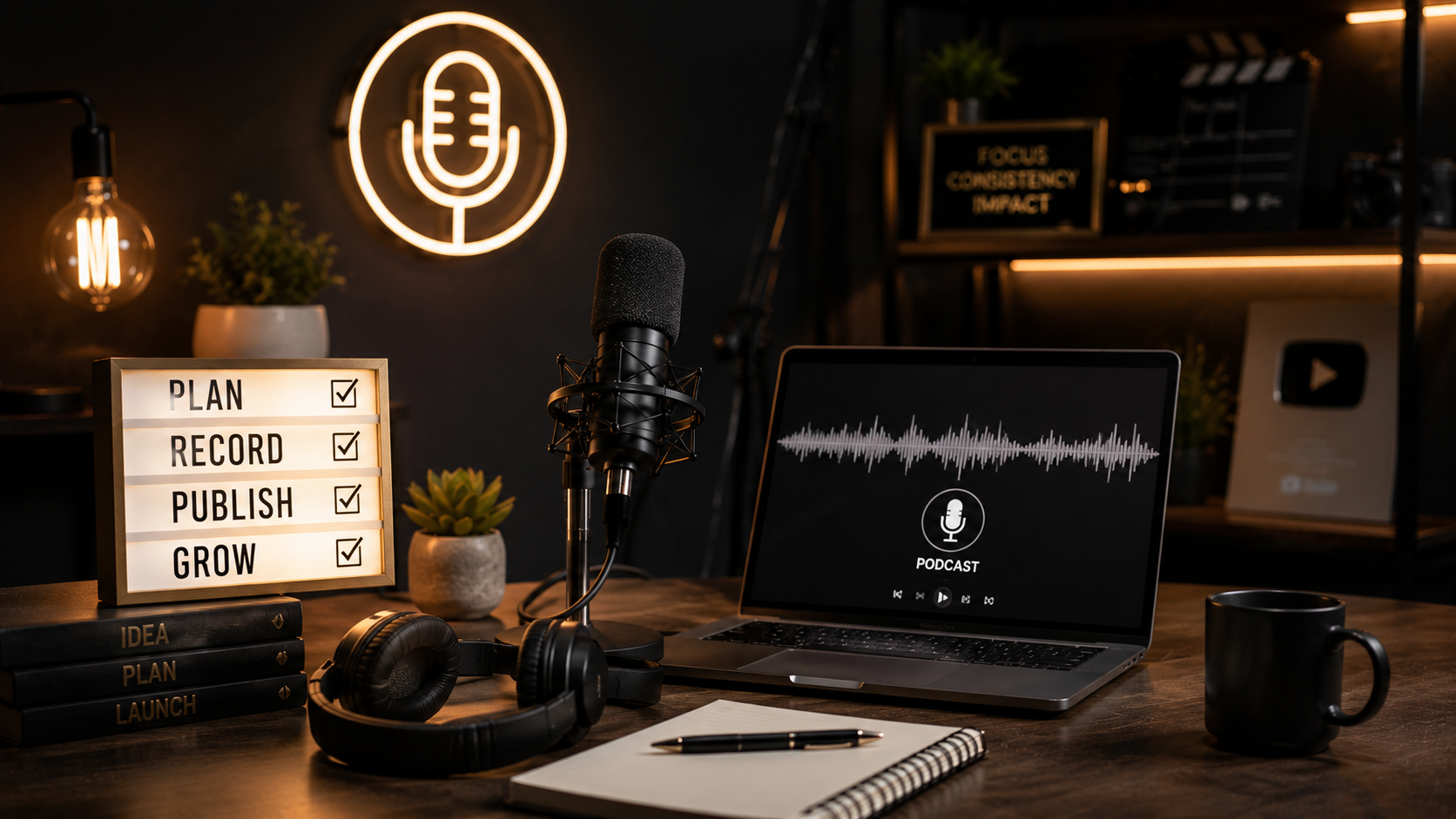
Starting a podcast is one of the most rewarding creative and professional decisions you can make. It gives you a platform to share ideas, build genuine relationships, grow a community, and position yourself or your business as an authority in your field. The barrier to entry has never been lower, and the potential upside has never been higher.
But like any worthwhile endeavor, podcasting done well requires more than pressing record and hoping for the best. There is a process, a sequence of decisions and preparations that, when followed thoughtfully, sets your show up for sustainable growth rather than an enthusiastic launch followed by a quiet fade.
This guide walks you through every stage of that process, from the very first question you need to answer to the moment your first episode goes live and beyond. Whether you are a complete beginner with no prior audio experience or someone who has thought about starting a podcast for months but never quite taken the first step, this guide gives you the clarity and confidence to begin.
Step One: Define What Your Podcast Is About and Who It Is For
Before you think about microphones, recording software, or episode formats, you need to answer two foundational questions. What is your podcast about, and who is it for? These questions are more demanding than they appear, and the quality of your answers will shape every decision that follows.
Choosing a Podcast Topic That Has Long-Term Legs
The best podcast topics sit at the intersection of three things: something you are genuinely passionate about, something you have real knowledge or experience in, and something that a clearly definable audience is actively interested in. A topic that hits all three of these criteria gives you the fuel to sustain production over months and years, the credibility to attract quality guests and listener trust, and the audience relevance to grow.
Avoid the temptation to choose an extremely broad topic in the hope of attracting a larger audience. A podcast about business will struggle to find its audience in a sea of thousands of other business podcasts. A podcast about the specific challenges of scaling a family business in India, on the other hand, speaks directly to a defined and underserved audience. Narrower topics build deeper loyalty faster, and deeper loyalty is what sustains a podcast through the inevitable early months when growth is slow.
It is also worth thinking about longevity. A podcast about a current news event or trending topic may generate initial interest but will struggle to remain relevant as the cultural moment passes. A podcast built around enduring themes, human challenges, professional growth, creative practice, specific industries, or particular communities will have subject matter to explore for years.
Identifying and Understanding Your Target Listener
Once you have a topic, build a detailed picture of the specific person you are making the show for. Think about their professional situation, their personal interests, the challenges they face in relation to your topic, the questions they are asking that are not being adequately answered elsewhere, and the format of content they already consume and enjoy.
This listener profile will guide decisions about episode length, tone, format, guest selection, and even the specific vocabulary you use. Podcasts that feel like they are speaking directly to a specific kind of person consistently outperform those that feel like they are broadcasting to a general audience. The more precisely you understand your target listener, the more precisely you can serve them.
Step Two: Choose Your Podcast Format and Episode Structure
With a topic and target audience defined, the next decision is format. How your podcast is structured shapes the listening experience and determines how much production complexity you are taking on.
The Main Podcast Format Options
Solo podcasts feature a single host sharing insights, stories, or commentary without guests. They are the simplest format to produce logistically, since you are only coordinating one schedule and one voice, but they demand strong solo presentation skills and the confidence to carry a conversation alone. They work well for hosts with strong personal brands or highly specific expertise.
Interview podcasts feature a host in conversation with guests who bring different perspectives, expertise, or stories to each episode. This is the most popular podcast format for good reason. Guests bring fresh energy and knowledge to every episode, reducing the creative burden on the host. They also bring their own audiences when they share the episode, providing a natural growth mechanism.
Co-hosted podcasts feature two or more regular hosts in conversation with each other, with or without additional guests. The chemistry between co-hosts is the show's primary draw. When it works, co-hosted podcasts feel wonderfully natural and generate the kind of banter and dynamic dialogue that listeners find addictive. They require coordinating multiple schedules and ensuring consistent chemistry, which adds complexity.
Narrative or documentary podcasts tell stories over the course of an episode or across a series of episodes. They require the most production investment of any format, including scripting, research, interviews, and sophisticated audio editing, but they can achieve a depth of listener engagement that conversation-based formats rarely match.
Most podcasters starting out choose the interview or solo format, and either is an excellent starting point. The key is choosing the format that best fits your strengths, your topic, and the resources you have available.
Planning Your Episode Structure
Within your chosen format, plan a consistent episode structure that listeners can rely on. A typical interview podcast episode, for example, might open with a brief host intro, move into a guest introduction, explore three to five major themes across the main conversation, include a consistent closing segment where the guest shares a recommendation or takeaway, and close with a host outro that includes a call to action for listeners.
This structure does not need to be rigid, but it should be consistent enough that regular listeners develop a sense of familiarity with how each episode moves. Structural consistency is part of the reliability that builds listener trust over time.
Step Three: Sort Out Your Equipment and Recording Setup
The question of equipment is one that causes more anxiety among aspiring podcasters than almost any other, largely because the options are overwhelming and the advice online is often contradictory. Here is the honest truth: you do not need to spend a fortune on equipment to start a podcast, but you do need to get a few things right.
The Essential Equipment for Starting a Podcast
The microphone is the most important hardware investment you will make. Audio quality is the single technical factor that most directly affects listener retention, and the microphone is where that quality begins. A USB condenser microphone from a reputable brand is a solid starting point for most beginners. It connects directly to your computer without requiring additional hardware and produces audio quality that is noticeably superior to any built-in laptop or phone microphone.
As your show grows and your investment in production increases, upgrading to an XLR microphone used with a dedicated audio interface will deliver a significant further improvement in audio quality. But a good USB microphone is more than adequate for a well-produced early episode.
Headphones are the second essential item. Closed-back headphones allow you to monitor your audio as you record, which is critical for catching problems like background noise, breathing into the microphone, or inconsistent levels before they become problems in the edit. Any pair of decent closed-back headphones will serve this purpose adequately.
Recording software, also called a digital audio workstation or DAW, is where your audio is captured and edited. Several free and low-cost options work well for podcast production, including Audacity, GarageBand for Mac users, and Descript, which also includes transcription features. At the professional end, Adobe Audition and Logic Pro are widely used in studio environments.
The Case for Recording in a Professional Studio
While a home setup can produce adequate results, there is a significant quality ceiling that home recording environments rarely exceed, regardless of how much is spent on equipment. The acoustic environment of a home, with its reflective walls, ambient noise from neighboring rooms and streets, and unpredictable interruptions, creates challenges that consumer equipment cannot fully overcome.
A professional podcast studio solves all of these challenges at once. The room is acoustically treated for clean, professional audio capture. The equipment is broadcast-grade and professionally configured. And the expertise of the studio team means that the technical side of your recording is handled, leaving you free to focus entirely on the conversation.
For podcasters in Mumbai who want to start their show at a professional standard from episode one, Fox Talkx Studio provides the recording environment, equipment, and post-production expertise to make that possible. Explore the full range of services available at https://www.foxtalkxstudio.com/services to find the right production support for your show.
Step Four: Record Your First Episode
With your concept defined, your format chosen, and your recording setup in place, you are ready to record. This step is where aspiring podcasters most frequently stall, waiting for one more thing to be perfect before they begin. Here is the advice that will serve you better than any equipment guide or format framework: record your first episode before you feel ready.
Preparing for a Great First Recording Session
Preparation transforms the recording experience. Before you sit down at the microphone, have a clear episode outline that covers the key points you want to hit and the rough order in which you want to cover them. You do not need a word-for-word script unless your format specifically requires one. In fact, a rigid script often makes solo podcasts sound stiff and interview podcasts sound forced. A flexible outline gives you structure without sacrificing the natural conversational quality that listeners respond to.
If you are recording an interview episode, send your guest a brief overview of the themes you plan to explore and any logistical details they need about the recording process. Let them know roughly how long the episode will run. Give them a sense of what to expect. A guest who arrives at the recording session with a clear sense of what is happening will be more relaxed and more open than one who feels uncertain about the format.
Common First Episode Mistakes to Avoid
The most common mistake first-time podcasters make is spending too long on introductions. Listeners are drawn into a podcast by the quality of the conversation, not by a detailed explanation of who the host is and what the show covers. Get into the substance of the episode quickly. Trust that listeners who find the content valuable will seek out more information about the host and the show in their own time.
The second most common mistake is over-editing. A degree of editing is essential for producing a listenable episode, but new podcasters sometimes strip out so much that the final episode sounds unnatural and robotic. Real conversation has rhythm, has pauses, has the occasional "um" or "you know." Some of that texture should remain. The goal of editing is not to produce a perfect, error-free recording. It is to produce a natural, engaging, and listenable one.
Step Five: Edit and Produce Your Episode
Editing is where a raw recording becomes a polished episode. For most beginning podcasters, this is the stage that is most technically unfamiliar and most time-consuming. It is also the stage that has the greatest impact on the quality of the final listening experience.
What Podcast Editing Involves
Basic podcast editing involves listening through the raw recording and removing significant errors, extended pauses, off-topic tangents, technical problems, and any content that does not serve the listener. It also involves balancing audio levels so that all speakers are heard at a consistent volume, applying basic equalization and compression to make voices sound warm and natural, and adding any intro or outro music that is part of the episode structure.
More advanced editing involves noise reduction to eliminate background hum or ambient sound, de-essing to reduce harsh sibilant sounds, and room correction to reduce the effect of acoustic reflections in the recording environment. These processes require both technical knowledge and quality software, which is one reason why professional podcast editing support delivers such a significant improvement over self-edited home recordings.
Why Professional Podcast Editing Makes a Real Difference
The difference between a self-edited podcast and a professionally edited one is audible to any experienced listener within the first thirty seconds of an episode. Professional editors know how to make a voice sound its best on any playback device, from high-end headphones to a phone speaker in a noisy environment. They know how to pace an episode for maximum listener engagement. They know how to handle the technical imperfections that home recording environments inevitably introduce.
For podcasters who are serious about the quality of their show but do not have the time or technical expertise to produce professional-standard edits themselves, working with a dedicated podcast editing service is one of the highest-value investments available. Fox Talkx Studio offers professional podcast editing in Mumbai with a team that understands both the technical requirements of great audio and the creative goals of a well-produced show. Find out how their editing services can elevate your episode quality at https://www.foxtalkxstudio.com/services/podcast-editing-in-mumbai.
Step Six: Choose a Podcast Hosting Platform and Distribute Your Show
Once your episode is edited and ready, you need a podcast hosting platform to make it available to listeners. A podcast host stores your audio files and generates the RSS feed that distributes your show to every major podcast platform.
Selecting the Right Podcast Host
There are numerous podcast hosting platforms available, ranging from free tiers with basic features to paid plans with advanced analytics, monetization tools, and unlimited storage. When evaluating platforms, consider the storage and bandwidth limits, the quality and depth of the listener analytics provided, the ease of submitting to major platforms, and the availability of features like chapter markers, dynamic ad insertion, and private podcast functionality.
Popular options include Buzzsprout, Anchor (now Spotify for Podcasters), Podbean, Transistor, and Captivate. Each has strengths that suit different show types and production scales. Research the options relative to your specific needs before committing, as migrating between hosting platforms later, while possible, adds unnecessary complexity to your workflow.
Getting Listed on Major Podcast Platforms
Once you have a hosting platform and have published your first episode, submit your show to every major podcast directory. Apple Podcasts, Spotify, Google Podcasts, Amazon Music, Stitcher, Pocket Casts, and JioSaavn should all be on your submission list. Each platform has a submission process that typically involves providing your RSS feed URL and completing a short approval process.
Being listed on every major platform maximizes your discoverability. Different listeners have strong preferences for particular platforms, and a show that is only available on one or two directories is leaving a significant portion of its potential audience unreachable.
Step Seven: Plan Your Launch and Growth Strategy
Publishing your first episode is a milestone, but it is the beginning of the journey rather than the destination. A thoughtful launch strategy and a clear plan for sustainable growth will determine whether your show builds momentum or stalls after an initial burst of activity.
Planning a Strong Podcast Launch
A strong podcast launch involves publishing more than one episode on launch day. Releasing three to five episodes simultaneously gives new listeners enough content to immediately assess whether the show is right for them and to binge enough episodes to become invested before they have to wait for new content. Shows that launch with a single episode often lose the listeners they attract before those listeners have had enough exposure to form a real habit around the show.
Promote your launch across every channel available to you. Share on social media, send an email to your existing list if you have one, ask friends and colleagues to listen and leave reviews, and reach out personally to anyone in your network who might genuinely enjoy the show. Early reviews on Apple Podcasts are particularly valuable for new shows, as they influence search rankings within the platform.
Sustaining Growth Through Consistent Publishing
The most reliable predictor of podcast growth over time is consistency of publishing. A show that publishes reliably on the same day and at the same cadence every week or fortnight builds listener habits. Subscribers begin to look forward to new episodes and to feel the absence when one is missed. This habitual engagement is the foundation of the loyal audience that all growing podcasts are built on.
Set a publishing schedule that is genuinely sustainable given your production resources, and commit to it. A weekly show that is consistently delivered is far more valuable to your audience and your growth than a more ambitious daily show that runs out of steam after a month.
Step Eight: Optimize Your Podcast for Discovery
Creating great podcast content is necessary but not sufficient for growth. Your show also needs to be discoverable by listeners who do not yet know it exists, which requires deliberate optimization across several dimensions.
Podcast SEO and Keyword Optimization
Podcast SEO is the practice of optimizing your show's title, description, episode titles, and show notes for the search queries that your target listeners are using on podcast platforms and search engines. Research the keywords and phrases that people in your target audience are actively searching for, and incorporate them naturally into your metadata.
Episode titles in particular should be written with search intent in mind. A title that clearly communicates what the episode covers and incorporates relevant search terms will consistently outperform a clever but obscure title in platform search results. Balance the human appeal of a compelling title with the discoverability value of relevant keywords.
Building a Content Ecosystem Around Your Podcast
Extending your podcast content into other formats significantly amplifies your show's discoverability and reach. Publish show notes that summarize each episode on your website. Convert episode highlights into social media posts. Write blog articles that expand on themes explored in your episodes. Create audiograms, short video clips of audio moments with captions, for sharing on Instagram, LinkedIn, and YouTube Shorts.
Each of these content pieces creates an additional point of entry for potential new listeners. The blog post ranks in search engines. The social media post reaches followers who have not yet found the podcast. The audiogram gets shared by guests and engaged listeners to their own audiences. Together, they create a content ecosystem that keeps working to grow your show between recording sessions.
Key Takeaways
Starting a podcast is a multi-stage process that rewards thoughtful preparation at every step. Defining your topic and audience with precision, choosing a format that fits your strengths, investing in appropriate recording quality, producing polished episodes through professional editing, distributing across every major platform, launching strategically, and committing to consistent publication are the building blocks of a show that grows sustainably over time.
None of these steps is technically beyond the reach of a dedicated beginner. But the quality of execution at each stage, especially the recording and editing stages, has a direct and measurable impact on how quickly the show finds and retains its audience.
For podcasters in Mumbai who want to start their show at the highest possible standard and grow with the support of a professional production team, Fox Talkx Studio provides the recording environment, editing expertise, and industry knowledge to make your launch a strong one. Explore everything Fox Talkx Studio offers for new and growing podcasters at https://www.foxtalkxstudio.com.
Your podcast is waiting to be made. The only thing left to do is begin.