
Podcast Studio Setup Ideas: What Your Space Needs Now
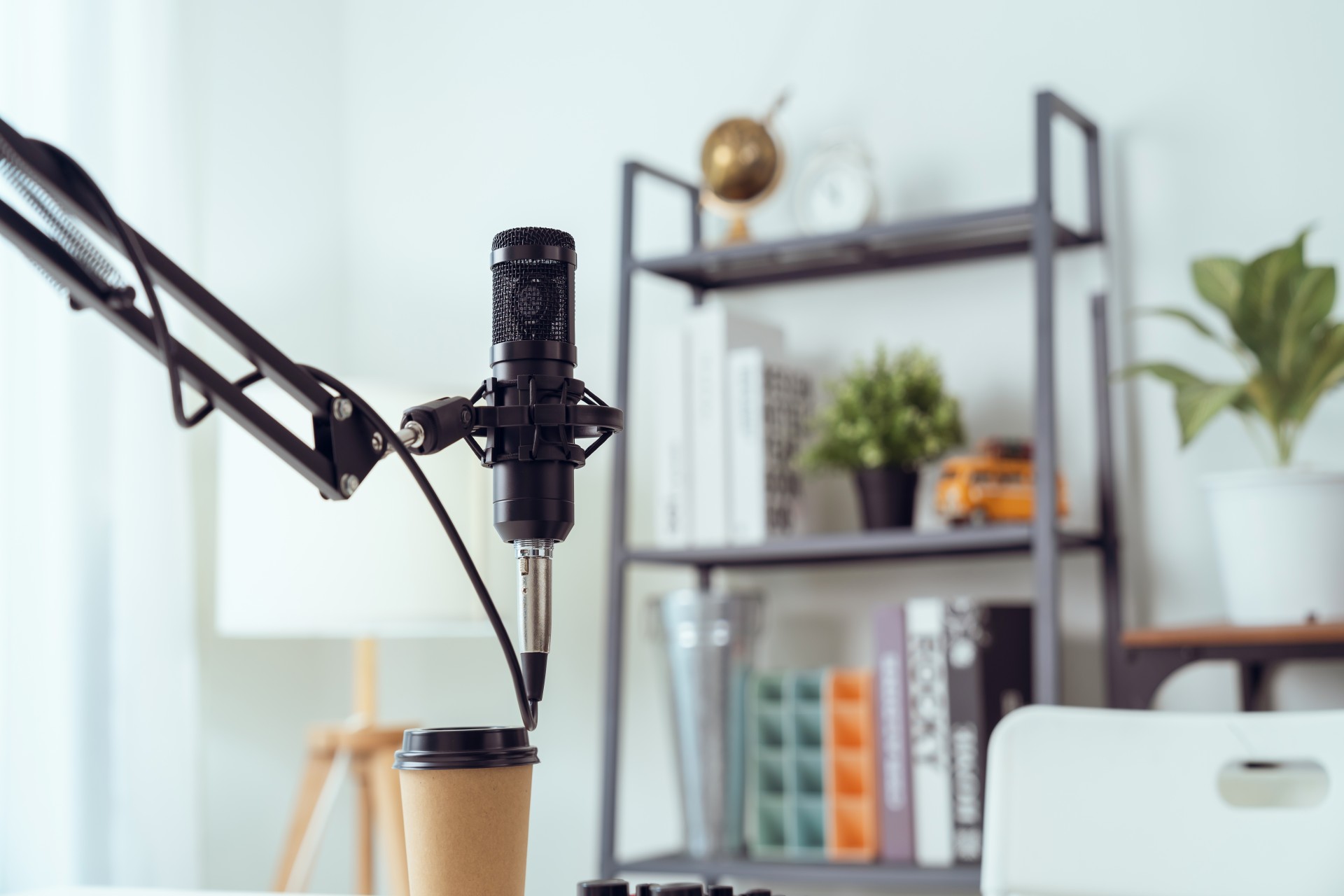
Starting a podcast is easier than ever, but sounding like a professional is a different challenge entirely. The difference between a podcast that listeners trust and one they abandon after 30 seconds often comes down to one thing: the recording environment. Not the microphone brand. Not the editing software. The room itself.
Whether you are converting a spare bedroom, a closet, a basement corner, or a dedicated office into a recording studio, the decisions you make about that space will shape every episode you publish. This guide walks you through what your podcast studio setup actually needs, from acoustic treatment to furniture placement, gear selection to lighting, so you can build a space that works hard for your content.
Why Your Recording Space Matters More Than Your Microphone
New podcasters often overspend on microphones and underspend on their room. The truth is that a mid-range microphone in a well-treated space will almost always outperform an expensive microphone in an untreated room. Sound bounces off hard surfaces, creating reflections and reverb that make your voice sound distant, hollow, and unprofessional, regardless of how much your microphone costs.
Before you invest heavily in gear, invest in understanding your space. Walk into the room, clap your hands once, and listen carefully. If you hear a ringing or echo, the room needs acoustic treatment. If the sound is flat and absorbed, you are already working with a good foundation.
If you want to skip the trial and error entirely and record in a purpose-built environment from day one, explore the professional recording options available at Fox Talkx Studio.
Acoustic Treatment: The Foundation of Any Podcast Studio Setup
What Acoustic Treatment Actually Does
Acoustic treatment is not soundproofing. These two concepts get confused constantly, and mixing them up leads to wasted money. Soundproofing prevents sound from traveling between rooms. Acoustic treatment controls how sound behaves inside a room. For podcasting, acoustic treatment is almost always the priority.
When you speak into a microphone, your voice travels in all directions. In an untreated room, those sound waves hit walls, ceilings, floors, and furniture before bouncing back toward the microphone. That bounce is what causes echo, reverb, and that distinctive "bathroom sound" that signals an amateur recording.
Treatment materials absorb those reflections before they return to the microphone, leaving only the direct sound of your voice. The result is a clean, intimate, present-sounding recording.
Types of Acoustic Treatment for Podcast Rooms
Acoustic foam panels are the most recognizable form of treatment. They work well at absorbing mid and high frequencies, which is where most of the problematic reflections in voice recording occur. Place them on the wall directly behind your microphone and on the two side walls at ear height. These are called "first reflection points" and treating them will have an immediate, noticeable impact on your recordings.
Bass traps go in corners. Low-frequency sound tends to build up in corners of rooms, creating a muddy, boomy quality in recordings. Bass traps are dense, thick panels of acoustic foam or mineral wool that absorb those low frequencies. If your voice sounds heavy or indistinct in recordings, undertreated bass is often the culprit.
Diffusers scatter sound rather than absorbing it. In a very small room that has been heavily treated, the environment can start to feel unnaturally dead, which affects your speaking energy and delivery. Placing a diffuser on the wall behind you can restore a sense of natural liveliness without reintroducing harsh reflections.
DIY treatment options include heavy curtains, bookshelves filled with irregularly arranged books, thick rugs, and upholstered furniture. None of these are as effective as purpose-built acoustic panels, but they can meaningfully reduce reflections in a room that has no treatment at all.
The Ideal Room Shape and Size for Podcasting
Square rooms are the worst for audio because parallel walls create standing waves, which are patterns of reinforced and cancelled frequencies that make your recording sound inconsistent as you move around. Rectangular rooms are better. Rooms with irregular shapes, angled ceilings, or built-in furniture are better still because they naturally break up those standing waves.
Smaller rooms are generally easier to treat than large ones, but they can become uncomfortably reflective if the surfaces are hard. A medium-sized room, roughly 10 by 12 feet, with some soft furnishings and targeted acoustic treatment is often the sweet spot for a home podcast studio.
Microphone Placement and Recording Setup Ideas
Finding the Right Microphone Position
Your microphone position affects your recording quality as much as the microphone itself. Most condenser microphones are cardioid pattern, meaning they are most sensitive to sound coming from directly in front of them and reject sound from behind. Dynamic microphones are similar but generally less sensitive to room noise overall, which makes them forgiving in untreated spaces.
Position the microphone at mouth level, roughly six to twelve inches from your lips. Speaking across the top of the microphone rather than directly into the front capsule can reduce plosives (the harsh bursts of air from letters like P and B) without significantly reducing presence.
Use a boom arm rather than a desk stand if possible. A boom arm lets you position the microphone precisely without cluttering your desk surface, and because it is mounted to the desk or wall rather than sitting on it, it transmits less vibration from typing or desk movement.
Recording Desk Layout and Workflow Setup
Your desk layout should support your workflow without requiring you to lean in, reach across, or move around during recording. Laptops and monitors create fan noise and reflective surfaces that work against good audio. Consider placing your computer behind you or to the side, running a long cable to your microphone and audio interface so the processing hardware is as far from the microphone as practical.
Keep the area in front of your microphone clear. That surface is in the direct path of sound waves traveling from the microphone back toward you, and a hard desk surface can introduce subtle but audible reflections. A desk pad made from dense foam or felt absorbs these near-field reflections without any visible acoustic treatment.
If you are producing a show with guests in person, a second microphone on a separate boom arm positioned across the desk is essential. Two voices on one microphone always sounds compromised, regardless of the quality of that microphone.
For podcasters who want a fully configured, professionally designed recording environment without building one themselves, Fox Talkx Studio's services provide access to purpose-built spaces with all of this already dialed in.
Soundproofing Your Podcast Studio
When Soundproofing Actually Matters
Soundproofing becomes important when external noise is a consistent problem in your recordings, or when you need to prevent your recording sessions from disturbing others in your home or building. Common external noise sources include traffic, HVAC systems, neighboring conversations, and construction.
True soundproofing is one of the most expensive and structurally involved things you can do to a room. It typically requires decoupling walls from the building structure, adding mass to surfaces, and sealing all gaps where sound can travel. This is not a weekend project and is rarely practical for a home podcast studio on a normal budget.
Practical Noise Reduction Without Full Soundproofing
There are several practical steps that reduce external noise intrusion without major construction:
Heavy door seals and draft strips close the gap under doors, which is one of the most common paths for external noise. A solid core door is meaningfully better than a hollow core door for blocking sound. If replacing the door is not possible, a door sweep and foam seal around the frame can make a noticeable difference.
Thick curtains or blackout drapes over windows reduce both external noise and reflections. For windows facing a noise source like a road, layered window coverings (a curtain behind a blind, for example) provide additional mass and absorption.
White noise machines placed outside the recording room can mask inconsistent ambient sounds (conversations, footsteps, occasional traffic) without adding to the noise inside your recording space.
Recording at strategic times, early morning or late evening when background noise naturally drops, is one of the most cost-effective strategies available.
Podcast Studio Lighting Setup Ideas
Why Lighting Matters Even for Audio-Only Shows
If your podcast has a video component, or if you plan to add one in future, lighting is a technical requirement. Poor lighting makes video content look unpolished and distracts from your message even when the audio is excellent. Many podcasters underestimate how significantly good lighting improves the perceived quality and authority of their content.
Even for audio-only shows, lighting affects your energy and comfort during recording sessions. A dim, poorly lit room tends to reduce alertness and can affect delivery. A well-lit space feels more professional and keeps you engaged.
Basic Lighting Setup for a Podcast Recording Space
A three-point lighting setup is the industry standard for video podcasting and works well in most room configurations.
Key light: Your primary light source, positioned in front of you and slightly to one side. This provides the main illumination on your face and defines the overall look of the image. A ring light or a softbox light is a common choice for podcasters because they create diffused, flattering light without harsh shadows.
Fill light: A softer light on the opposite side from the key light that fills in the shadows created by the key light. This does not need to be powerful, and in many setups a simple LED panel at reduced intensity is sufficient.
Back light or rim light: Positioned behind you and aimed at the back of your head and shoulders. This separates you from the background visually and gives your image a polished, three-dimensional appearance.
Avoid overhead lighting as your primary source. It creates unflattering shadows under your eyes and nose and tends to make video look flat. Natural light from windows can work well as a key or fill light but requires consistent management as it changes throughout the day.
Essential Gear for a Functional Podcast Studio Setup
Audio Interface Versus Direct USB Microphones
The microphone category has two primary options for podcasters: USB microphones that connect directly to your computer, and XLR microphones that require an audio interface as an intermediary.
USB microphones are simpler to set up and require no additional hardware beyond the microphone and a cable. They are a good starting point for solo podcasters focused purely on getting started quickly.
XLR microphones paired with an audio interface offer more flexibility, better preamp quality at comparable price points, and the ability to add additional microphones as your show grows without replacing the entire setup. An audio interface also provides physical gain control and headphone monitoring, both of which meaningfully improve your workflow during recording.
For most podcasters who are thinking beyond their first ten episodes, the XLR and interface route is the smarter long-term investment.
Headphones, Monitoring, and Playback
Closed-back headphones are essential during recording. They prevent audio bleed from the headphone speaker back into the microphone, which creates feedback loops and interferes with clean recordings. Over-ear closed-back headphones with a neutral frequency response give you an accurate picture of what your recording actually sounds like, rather than the hyped bass and boosted highs of consumer headphones designed to make music sound exciting.
Monitor your levels during recording rather than adjusting after the fact. Consistent input gain, with your voice peaking around negative 12 dB on your interface, gives you clean headroom and reduces the amount of post-processing required in editing.
Pop Filters and Shock Mounts
A pop filter is a simple mesh screen positioned between your mouth and the microphone capsule. It breaks up the air from plosive consonants before it reaches the microphone, reducing the harsh thump that makes recordings sound amateurish. This is one of the cheapest and highest-impact accessories in podcasting.
A shock mount suspends your microphone in a cradle of elastic bands or springs, isolating it from vibrations transmitted through the boom arm or desk. Without a shock mount, every keyboard keystroke, desk tap, or floor vibration can introduce low-frequency rumble into your recordings.
If you are building your studio setup and want expert guidance on which gear configuration makes sense for your specific show format, Fox Talkx Studio offers professional support to help you record with confidence from the start.
Room Layout and Furniture Considerations
Positioning Yourself in the Room
Where you sit in the room affects your recording as much as the room itself. Avoid sitting in the exact center of the room, because that position tends to coincide with the worst standing wave buildup. Sitting off-center in both directions (not exactly halfway along either axis) typically produces cleaner recordings.
Keep your back to one of the treated walls rather than a hard, untreated surface. If sound bounces off the wall behind you and into the microphone, it arrives slightly delayed and can create comb filtering, a subtle but unpleasant frequency coloration that is difficult to correct in post-production.
Furniture That Helps Your Acoustics
Soft, irregular furniture helps your room naturally. A sofa or armchair placed somewhere in the recording space absorbs mid-range frequencies. Bookshelves lined with books of varying sizes diffuse sound without deadening the room. Heavy curtains, cushions, and rugs all contribute to a more controlled acoustic environment.
Hard furniture, glass surfaces, and bare walls are the enemy of clean podcast recordings. If you have a lot of hard surfaces in your room, adding even a few soft furnishings before investing in formal acoustic treatment can produce meaningful improvement.
Wrapping Up: Building a Podcast Studio That Grows With You
The best podcast studio setup is not the most expensive one. It is the one that consistently produces clean audio, supports your recording workflow, and makes you comfortable enough to deliver your best performances every time you sit down to record.
Start with your room acoustics before anything else. Add targeted treatment at reflection points, reduce external noise where practical, and build your gear setup around the specific demands of your show format. Position your microphone thoughtfully, monitor your levels during recording, and invest in the small accessories that have outsized impact: pop filters, shock mounts, closed-back headphones.
If you are ready to record at a professional level without the investment of building your own space, the team at Fox Talkx Studio provides fully equipped, acoustically optimized recording environments designed for podcasters at every level. Explore what is available at https://www.foxtalkxstudio.com/services and take your podcast from idea to production-ready content.