
What to Expect When You Record at a Professional Podcast Studio
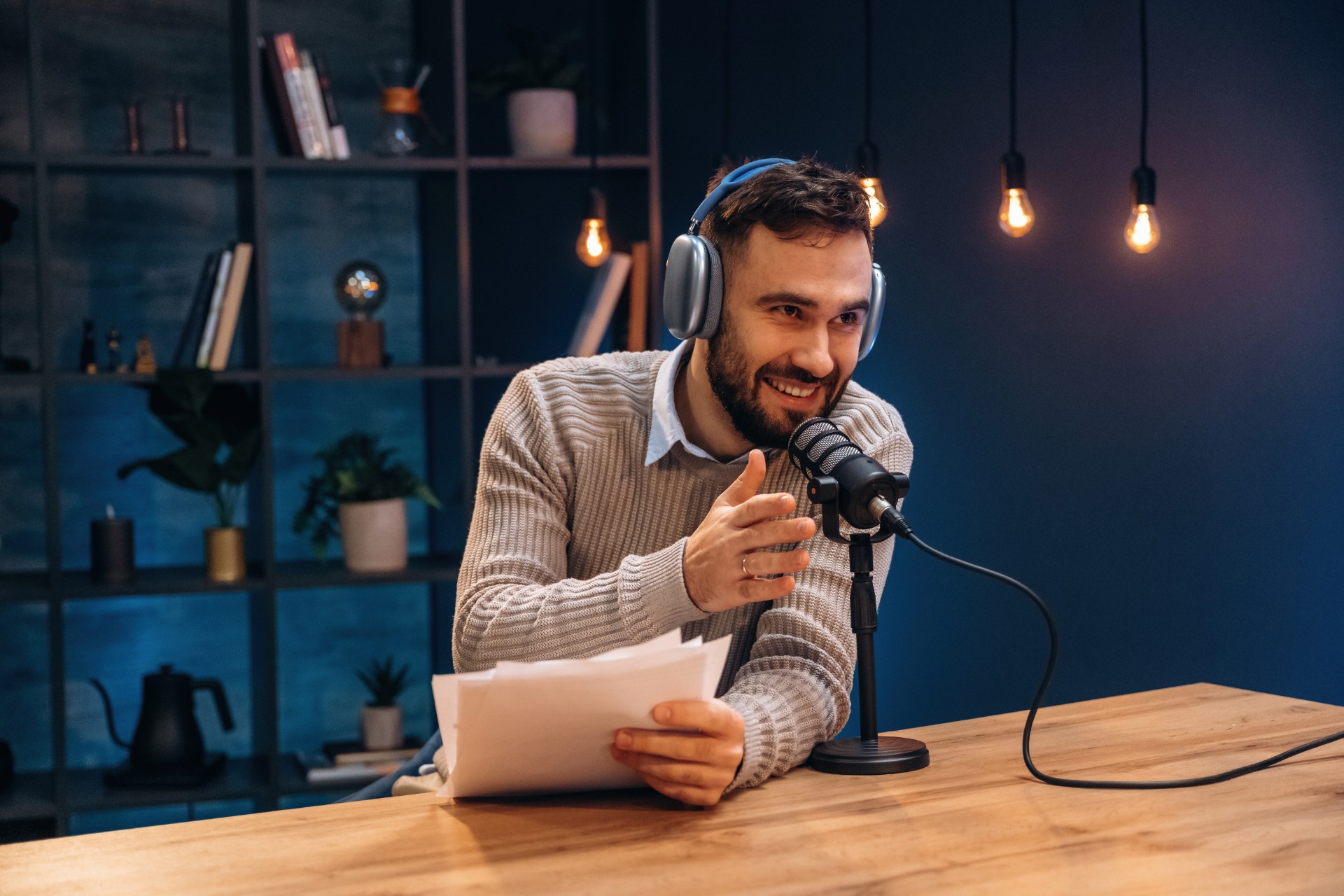
The decision to book a professional podcast studio for the first time comes with a combination of anticipation and uncertainty. The anticipation is about the quality upgrade: the sense that the show is taking a meaningful step toward the production standard that the content deserves. The uncertainty is about the practical experience: what actually happens when you arrive, what the recording process looks like, how different it is from recording at home, and whether the investment delivers the quality improvement that justified the booking.
Both the anticipation and the uncertainty are well-founded. A professional podcast studio experience is genuinely different from home recording in ways that matter significantly for the quality of the finished content. And understanding what to expect before the first session removes the friction of navigating an unfamiliar environment during the session itself, allowing the full creative energy of the recording to go into the conversation rather than into managing the logistics and technical setup.
This guide covers everything a first-time and returning podcast studio visitor should expect: the physical environment, the equipment, the pre-session preparation, the recording process itself, the technical support available, the post-session workflow, and the quality outcomes that a professional studio delivers compared to home recording alternatives.
The Physical Environment: What a Professional Studio Looks and Feels Like
The first thing most podcasters notice when they enter a professional podcast studio for the first time is how different the acoustic environment feels from any recording space they have previously worked in.
Acoustic Treatment and Why It Matters
Professional podcast studios are acoustically treated spaces designed to minimize sound reflections, absorb unwanted room resonance, and create a controlled acoustic environment that produces clean, dry audio recordings without the ambient room sound that home and office recordings invariably contain.
The acoustic treatment in a professional studio is visible in the form of absorption panels on the walls and ceiling, bass traps in the corners, and diffusion elements that scatter sound energy rather than allowing it to create standing waves. These elements work together to create a space where the only sound the microphone captures is the speaker's voice directly, without the reflections and room resonances that color home recordings with the acoustic signature of the recording environment.
The felt difference between recording in an acoustically treated studio and recording in a home office or living room is immediately apparent even to untrained ears. Recordings made in professional studio conditions have a clarity and presence that recordings made in domestic environments cannot match, because the studio environment removes the acoustic contamination that home recordings must compensate for through post-production processing.
The Recording Set and Visual Environment
Most professional podcast studios are designed with a specific visual environment that provides an appropriate, professional background for the video component of podcast recordings. This may be a purpose-built set with branded elements, a bookshelf arrangement designed for visual depth and interest, a clean neutral background that does not distract from the speakers, or a flexible set that can be configured for different shows' visual identities.
This visual environment is one of the most immediately impactful quality differences between professional studio recording and home recording. A professionally designed and lit recording set creates a visual impression of production quality that no amount of home background arrangement can fully replicate, because the studio's set has been specifically designed for the recording context rather than being an incidental part of a domestic or office environment.
Lighting for Video Podcast Recording
Professional podcast studios include lighting setups specifically designed for video recording, typically a combination of key lights, fill lights, and back lights that creates the flattering, professional-looking illumination that separates studio-recorded video content from home-recorded content.
This professional lighting setup eliminates the common visual quality problems of home recording: the harsh shadows from a single window light source, the flat and unflattering illumination of overhead fluorescent fixtures, the inconsistent exposure that changes as natural light shifts through the recording session, and the color temperature mixing that occurs when multiple different light sources illuminate the same scene.
For podcasters who record video, the professional lighting environment of a dedicated studio is one of the most significant quality contributors to the visual impression of the finished episode.
The Equipment: What Professional Podcast Studios Provide
Professional podcast studios equip themselves with the recording equipment that produces the highest quality audio and video recordings, equipment that most independent podcasters cannot justify purchasing for their personal use but that is accessible through the studio booking.
Professional Microphones and Audio Equipment
Professional podcast studios typically use broadcast-grade dynamic or condenser microphones from manufacturers whose equipment is used in professional broadcasting and studio recording. These microphones capture the voice with a frequency accuracy, dynamic range, and noise floor performance that consumer microphones cannot match.
The audio recording chain in a professional studio includes professional audio interfaces that convert the microphone's analog signal to digital with minimal noise and maximum dynamic range, mixing consoles or digital audio workstations that provide real-time monitoring and level control during the recording, and professional headphone monitoring systems that allow both the host and the guest to hear themselves and each other clearly during the recording.
This complete professional audio recording chain produces recordings that have a fundamental quality advantage over home recordings made with consumer equipment, because the quality of the audio capture is determined by every link in the recording chain from the microphone through the interface to the digital recording. A weak link anywhere in the chain limits the quality of the entire recording.
Professional Video Cameras and Multi-Camera Setups
Most professional podcast studios include professional video camera setups that capture multiple angles simultaneously, typically a combination of wider shots showing both participants and closer shots focused on individual speakers. This multi-camera setup provides the visual variety that makes podcast video genuinely engaging to watch rather than simply a single static shot of the participants for the full episode duration.
The cameras used in professional studios are typically mirrorless or cinema cameras with large sensors that produce a cinematic image quality, including the natural shallow depth of field that separates speakers from the background with the soft, professional-looking focus that audiences associate with high-quality video production.
For podcasters who are recording video for the first time in a professional studio, the quality difference between the studio's camera setup and a home webcam or smartphone camera is one of the most visually striking improvements in the overall production quality of the finished episode.
For podcast creators in Mumbai who want to experience what professional studio recording looks and sounds like for their show, Fox Talkx Studio provides a fully equipped professional podcast recording environment with broadcast-grade audio, professional video cameras, acoustic treatment, and purpose-designed set. Explore the studio facilities and booking process at https://www.foxtalkxstudio.com/services/podcast-studio-setup-in-mumbai.
Pre-Session Preparation: What to Do Before You Arrive
The quality of a professional studio recording session is significantly influenced by how well-prepared the host and any guests are before they arrive. The studio provides the technical environment and equipment, but the content quality of the recording depends on the preparation the participants bring.
Technical Preparation
Before the session, confirm the specific recording setup with the studio: how many people will be recording, whether the session is audio only or video, any specific equipment requirements the host has based on their show's production standards, and the expected duration of the recording session.
If the studio provides any pre-session technical documentation or setup guidance, review it in advance to understand the specific equipment and workflow the studio uses. Arriving familiar with the basic technical setup allows the session to begin quickly rather than requiring extended orientation time.
Content Preparation
The most important pre-session preparation is content preparation: having the episode's structure, questions, and key topics thoroughly planned before arriving at the studio. Professional studio time is a paid resource, and using it well means arriving ready to record rather than spending the first portion of the session finalizing the content approach.
For interview episodes, the preparation includes the guest research and question development discussed in earlier posts in this series. The more thoroughly the questions are prepared and the more specifically they are tailored to the guest's work and the episode's central idea, the more productively the studio recording time is used.
For solo commentary episodes, arriving with a thorough outline or script prevents the hesitations and false starts that characterize under-prepared solo recordings and that create unnecessary post-production work.
Guest Preparation
If the episode features a guest who is visiting the studio for the first time, providing them with clear practical information before the session reduces their unfamiliarity anxiety and allows the session to begin with both participants relaxed and ready to engage. Information about parking or transport to the studio, what to wear for video recording (avoiding bright white, fine patterns, and green if a green screen is being used), what to expect from the technical setup, and approximately how long the session will take are all helpful pre-session communications that improve the guest's experience and the quality of the recording.
The Recording Session: What Happens When the Red Light Is On
Understanding the typical flow of a professional podcast recording session helps both hosts and guests arrive with appropriate expectations and navigate the session efficiently.
The Technical Setup and Sound Check
Most professional studio sessions begin with a technical setup and sound check period before recording begins. The sound engineer or studio operator will set up the microphone levels for each participant, adjust the headphone monitoring mix so that each participant can hear themselves and the other participants at comfortable levels, and verify that all recording systems are capturing correctly.
This setup period typically takes ten to twenty minutes depending on the complexity of the session. It is an important investment in the quality of the recording and should not be rushed. A sound check that is abbreviated in the interest of getting to the recording quickly risks discovering a technical problem mid-recording rather than before it begins.
During the sound check, participants should speak at the same volume and energy level they will use during the actual recording rather than at a whisper or at an exaggerated volume. The levels set during the sound check are calibrated for the actual recording voice, and a significant difference between sound check volume and recording volume will result in recordings that are either too hot and distorting or too quiet.
Recording in Takes vs Continuous Recording
Some studio recording sessions record in individual takes, stopping and restarting at natural section breaks. Others record the full episode as a single continuous recording with any mistakes or restarts addressed in post-production editing.
The continuous recording approach is more common for interview and conversation podcast formats because the natural flow of conversation is better preserved in continuous recording than in the start-stop rhythm of take-based recording. Natural pauses, overlapping speech, and the organic development of the conversation are all better captured in continuous recording.
The take-based approach is more common for solo commentary content where specific sections need to be precisely delivered or where the host is working from a script and wants the ability to re-record specific sections without recreating the energy of the full recording.
Managing Mistakes and Restarts
Professional studio recordings, like all recordings, will include mistakes: verbal stumbles, lost trains of thought, questions that need to be reframed, and sections that the host wants to re-record. Professional studios and their operators are entirely accustomed to managing these moments, and the appropriate response to a significant mistake during a continuous recording is simply to pause, note the mistake verbally or with a handclap that creates a visible spike in the audio waveform, and restart from a natural break point in the content.
The editing process will address all of these restarts in post-production, removing the mistake and the restart so that the finished episode flows without interruption. The key is to note mistakes clearly in a way that makes them easy to find and address during editing rather than trying to push through significant mistakes and hoping the editor finds them.
The Role of the Studio Operator During Recording
Professional podcast studios typically have a studio operator or sound engineer present during the recording session who manages the technical aspects of the recording: monitoring the audio levels in real time, alerting the host if any technical problem develops during the session, and managing the recording systems to ensure that all audio and video is being captured correctly.
The studio operator's presence allows the host and guest to focus entirely on the conversation without any technical monitoring responsibilities. This is one of the most practically valuable aspects of professional studio recording: the freedom from technical responsibility that allows the full creative energy of both participants to go into the content rather than being divided between content and technical management.
Post-Session: What Happens After the Recording
The recording session produces raw files that require post-production processing before they become the finished episode. Understanding what happens after the session and what the post-production workflow looks like helps hosts plan the full production timeline for each episode.
File Transfer and Backup
At the end of the recording session, the studio will provide the raw audio and video files in the agreed format. These files should be backed up immediately before any other work begins. The raw recording files are the irreplaceable foundation of the episode, and their loss at any point in the post-production process means the loss of the recording session.
Professional studios typically back up recordings on their own systems during and after the session, but the host should confirm the studio's backup policy and ensure they have their own independent copies of all raw files.
Post-Production Options
Some professional podcast studios offer post-production services alongside their recording facilities, providing editing, audio processing, color grading, and delivery of the finished episode as part of a complete production service. This end-to-end production capability is valuable for podcast creators who want professional recording and professional post-production from a single production partner.
For hosts who handle their own post-production or who work with a separate editing team, the studio delivers the raw files and the post-production is handled separately. In either case, the quality advantage of professional studio recording is preserved through the post-production process and is fully realized in the finished episode.
For podcast creators in Mumbai who want the complete recording and post-production experience from a professional studio, Fox Talkx Studio provides both professional recording facilities and comprehensive podcast post-production services that take every episode from raw recording to finished, distribution-ready content. Explore the full range of recording and production services at https://www.foxtalkxstudio.com/services/podcast-studio-setup-in-mumbai.
The Quality Difference: What Professional Studio Recording Delivers
After the first professional studio recording session, the quality difference between the studio recording and the home recordings that preceded it is typically more significant than most first-time studio visitors anticipated.
The Audio Quality Difference
The most immediately audible quality difference is in the audio. Professional studio audio has a clarity, presence, and warmth that home recordings cannot match because it was captured in a controlled acoustic environment with broadcast-grade equipment and professional gain staging. The listener experience of professional studio audio is effortless: the voice is clear, present, and comfortable to listen to without requiring any active effort from the listener to hear and process what is being said.
This audio quality difference is commercially significant because it directly affects the listener's experience of every episode and their willingness to continue listening through the full duration.
The Video Quality Difference
The video quality difference between professional studio recording and home recording is equally significant and immediately visible. Professional studio video has the combination of camera quality, professional lighting, and purpose-designed visual environment that creates the cinematic, high-production-quality impression that audiences associate with serious, professional content.
This visual quality impression is commercially significant because it is one of the primary signals through which new listeners evaluate whether a show is worth their continued attention.
The Confidence and Performance Quality Difference
Beyond the technical quality differences, many podcasters report a significant improvement in their own performance quality when recording in a professional studio environment. The combination of professional equipment, a designed space, technical support, and freedom from technical management responsibilities creates conditions under which the host and guests are more confident, more relaxed, and more fully present in the conversation.
This performance quality improvement often shows up in the finished episode as more natural delivery, more substantive content development, and the kind of relaxed confidence that makes for genuinely engaging listening.
Key Takeaways
Recording at a professional podcast studio delivers a combination of acoustic environment quality, professional equipment performance, visual environment design, technical support, and creative freedom from technical management that home recording cannot replicate.
The experience begins before the session with content preparation and guest preparation that ensures the recording time is used productively. The session itself flows through technical setup, sound check, continuous or take-based recording with professional technical support throughout, and post-session file transfer and backup.
The quality outcomes of professional studio recording are immediately audible in the clarity and presence of the audio, immediately visible in the cinematic quality of the video, and felt in the confidence and performance quality that professional recording conditions produce.
For podcast creators in Mumbai who are ready to experience what professional studio recording sounds and looks like for their show, Fox Talkx Studio provides the complete professional recording environment and production support that takes every episode to the standard that serious content deserves. Visit https://www.foxtalkxstudio.com/services/podcast-studio-setup-in-mumbai to explore the studio facilities and book your recording session.